
The Enduring Legacy of “The Little Prince“
Eighty years have passed since the frist French edition of Antoine de Saint-Exupéry’s “The Little Prince” was published, and the work continues to resonate with readers worldwide. The enduring appeal lies in its deceptively simple narrative, which explores profound existential questions about life, love, loss, and the human condition. The story, told through the eyes of a pilot stranded in the sahara Desert who encounters a young prince fallen to Earth from a tiny asteroid, encourages readers to see the world with the wonder and innocence of a child.
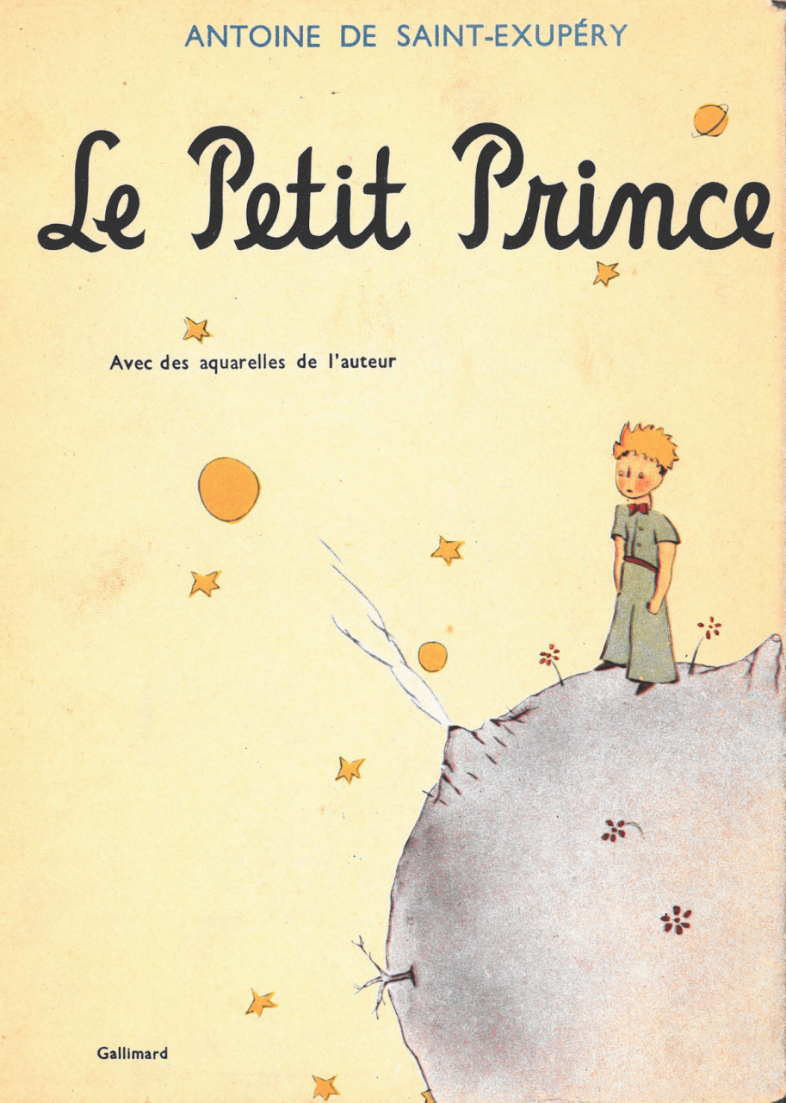
The first edition of “The Little Prince”.
A Timeless Tale of Wisdom
Saint-Exupéry’s masterpiece isn’t merely a children’s book; it’s a philosophical allegory that challenges conventional adult perspectives.The Little Prince’s journey from planet to planet introduces a cast of characters representing various human flaws – a king with no subjects, a conceited man craving admiration, a drunkard lost in shame, and a businessman obsessed with counting stars. Through these encounters, the prince learns about the often-absurd priorities and values of adults, prompting readers to question their own.
The Power of Seeing with the Heart
A central theme of “The Little Prince” is the importance of emotional connection and the ability to see beyond the superficial. The famous line, “What is essential is invisible to the eye,” encapsulates this message. The prince’s relationship with the fox teaches him the meaning of “taming” – creating bonds of trust and responsibility. This emphasizes that true understanding comes not from observation, but from investing time and care in others.
Saint-Exupéry’s Life and Influence
Antoine de Saint-Exupéry, born in 1900, was a French aristocrat, writer, poet, and pioneering aviator. His experiences as a pilot deeply influenced his writing, particularly “The Little Prince,” which draws heavily on his own wartime experiences and reflections on human nature. Saint-Exupéry disappeared in 1944 while on a reconnaissance mission during World War II, adding a layer of tragic irony to the book’s themes of loss and the search for meaning.
Continuing Relevance in the 21st Century
In an increasingly complex and fast-paced world, “The Little Prince” offers a poignant reminder to slow down, appreciate the simple things, and prioritize human connection. its message of responsibility, empathy, and the importance of imagination continues to resonate with readers of all ages, making it one of the most translated and beloved books in history. The book’s enduring popularity is a testament to its universal themes and its ability to speak to the deepest longings of the human heart.
Key Takeaways
- The Importance of Imagination: The book champions the power of imagination and childlike wonder as essential for understanding the world.
- Critique of Adult Values: It offers a gentle critique of the often-absurd priorities and values of adults.
- The Value of Relationships: The story emphasizes the importance of forming meaningful connections and taking responsibility for those we care about.
- Seeing beyond the Surface: “what is essential is invisible to the eye” – true understanding requires looking beyond appearances.