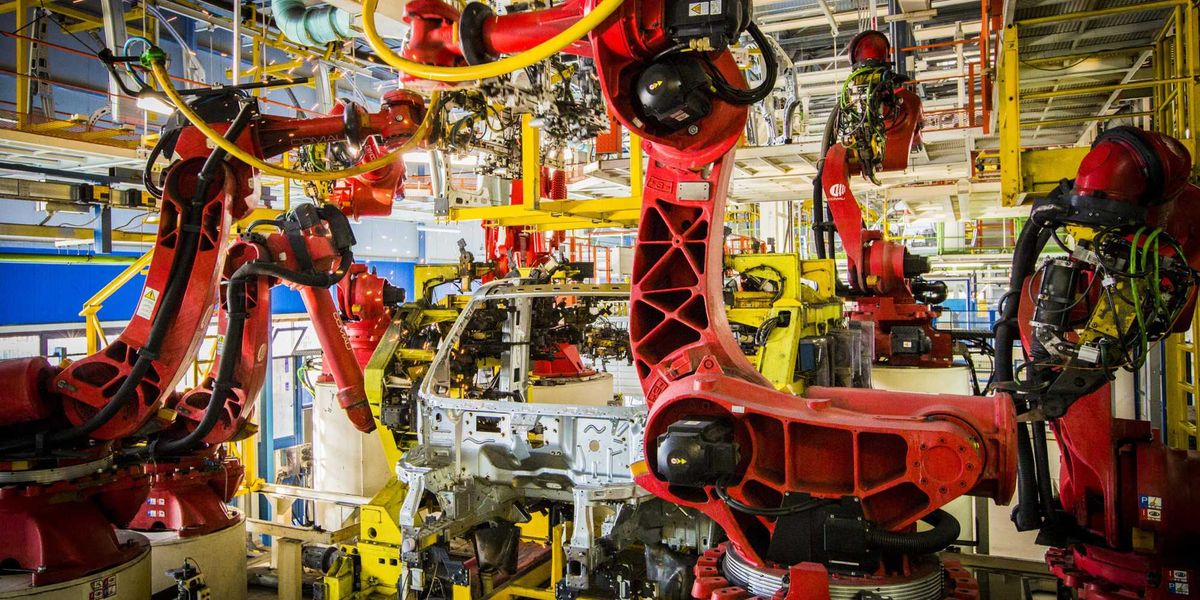
Stellantis Recommits to Diesel Amidst Broader Transition
February 14, 2026
A Surprising Shift in Strategy
Despite the global automotive industry’s widespread shift toward electric vehicles (EVs), Stellantis is signaling a continued commitment to diesel technology, particularly in Europe and potentially to address specific market demands. Recent reports indicate the company is preparing seven updated diesel versions to compete with emerging Chinese automotive manufacturers and cater to segments where diesel remains a practical choice.
The European Landscape and Diesel’s Role
The decision to continue—and even update—diesel engines comes as a surprise to some, given increasingly stringent emissions regulations throughout Europe. However, Stellantis appears to be responding to specific market needs, particularly for commercial vehicles and customers prioritizing fuel efficiency and range. As La Verità reports, this move is occurring within the European Union, but is specifically causing ripples within the Italian automotive supply chain.
Engine Updates and Future-Proofing
Stellantis isn’t simply clinging to outdated technology. the company is investing in updates to its existing diesel engines, including the 2.2-liter MultiJet turbo diesel, to meet Euro 7 emissions standards. A recent report indicates that both the 1.5 and 2.2 diesel engines will be extended until 2030, suggesting a longer-term vision for the technology. This commitment indicates a belief that diesel can continue to play a role, particularly in utility vehicles and applications where the energy density and range of diesel are advantageous.
Beyond Diesel: The FireFly Engine and Broader Strategy
the renewed focus on diesel doesn’t mean Stellantis is abandoning its electrification strategy. The company is together investing in new gasoline engine technologies like the FireFly, designed to meet Euro 7 standards and extend operational life beyond 2030, as auto.it details.
Competition and Market Positioning
The decision to bolster its diesel offerings also appears to be a strategic move to counter the growing competition from Chinese automotive manufacturers. With several Chinese brands entering the European market, Stellantis is looking to leverage its existing diesel technology to maintain a competitive edge in segments where diesel remains popular. As Automoto highlights, Stellantis anticipates launching seven diesel models to challenge this competition.
Key Takeaways
- Stellantis is investing in updating its diesel engine line-up, aiming for continued relevance in the European market.
- The 2.2-liter MultiJet diesel is slated for updates to meet Euro 7 standards, with production expected to continue until 2030.
- This strategy is partially a response to competition from emerging Chinese automotive brands.
- Stellantis continues to invest in alternative powertrain technologies, notably the FireFly gasoline engine.
The move highlights the complexity of the automotive transition and the need for manufacturers to adopt a multifaceted approach. While the long-term future leans toward electrification, diesel still has a role to play, particularly in specific applications and regions. Stellantis’s strategy suggests a pragmatic approach to meeting evolving market demands while simultaneously investing in the future of mobility.
Worth a look
- Sudan Conflict: El Obeid Women Face Deadly Choice for Water Between Drone Strikes and Sexual Violence
- Bitcoin Surges Past $65,000 Following Bessent’s Clarity Act Remarks
- India Faces Steep Medal Decline at Glasgow 2026 Commonwealth Games (archyworldys.com)
- Apple Faces Lawsuit Over Fraudulent App Financial Losses (newsdirectory3.com)