The Growing Debate Over VAR in Football: Is Technology Undermining the Game?
The use of Video Assistant Referee (VAR) technology in football continues to be a source of intense debate, with recent incidents sparking renewed criticism from players, managers, and fans alike. Concerns center around the disruption to the flow of the game, inconsistencies in decision-making, and the perceived impact on the authority of on-field referees. This article examines the current state of VAR, the controversies surrounding its implementation, and potential future developments.
What is VAR and How Does it Work?
VAR was introduced by FIFA in 2018 with the primary goal of minimizing clear and obvious errors in key match situations. These situations fall into four categories: goals, penalties, direct red cards, and mistaken identity. The VAR team, consisting of a video assistant referee and assistant VARs, reviews footage and communicates with the on-field referee to advise on potential errors. The on-field referee retains the final decision-making authority, but can choose to review footage themselves based on VAR’s recommendation. FIFA’s official explanation of VAR provides a detailed overview of the protocol.
Recent Controversies and Criticisms
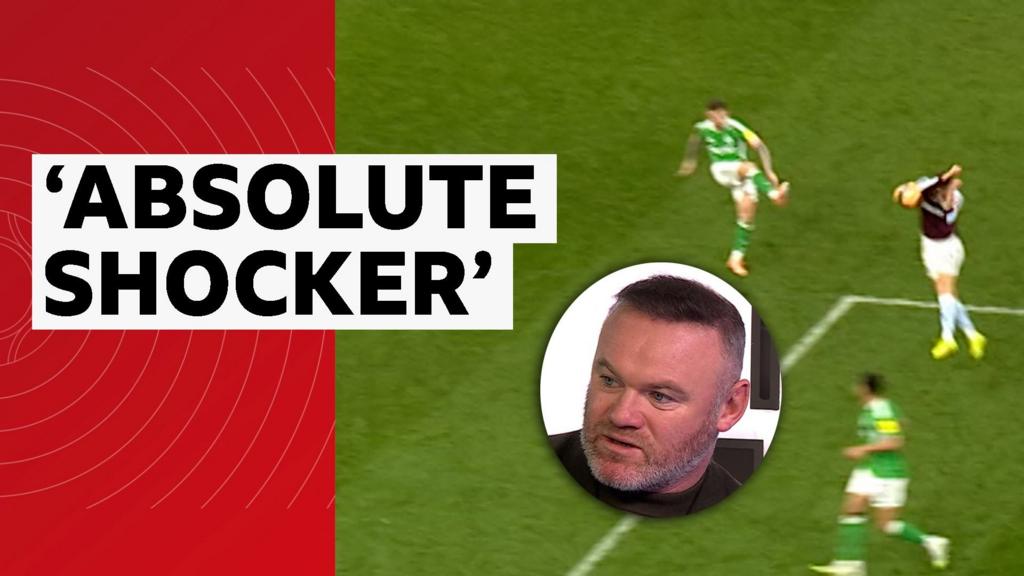
recent matches have highlighted several issues with VAR implementation. A prime example is the incident in the FA Cup fourth-round tie between Aston Villa and Newcastle United, where a potential handball was not penalized, leading to criticism from pundits like wayne Rooney and Alan Shearer, who suggested referees are hesitant to make decisions without VAR’s “safety net” as reported by the BBC. Common complaints include:
- Inconsistency: Decisions appear to vary depending on the interpretation of the referee and VAR officials, leading to frustration and accusations of bias.
- Time Delays: VAR reviews can cause significant delays, disrupting the rhythm of the game and diminishing the spectator experience.
- Subjectivity: Many decisions still rely on subjective interpretation, even with video evidence, leading to continued disagreement.
- Over-reliance: Concerns that referees are becoming overly reliant on VAR, potentially diminishing their confidence and authority.
The Impact on the Game
The introduction of VAR has undeniably altered the landscape of football. While intended to improve fairness,it has also introduced new challenges. Some argue that the constant scrutiny and potential for overturned decisions have increased pressure on referees and players. others beleive that the technology has removed some of the spontaneity and drama from the game. A study by the University of Oxford found that VAR has had little impact on the overall accuracy of decisions, despite the increased time spent reviewing them.
Future Developments and Potential Solutions
FIFA and other governing bodies are continually evaluating and refining the VAR protocol. Potential solutions being explored include:
- Faster Reviews: Streamlining the review process to reduce delays.
- Clearer Guidelines: Providing more specific and unambiguous guidelines for referees and VAR officials.
- Increased Clarity: Making the dialog between referees and VAR officials more transparent to fans.
- Semi-Automated Offside Technology: implementing technology that can automatically detect offside positions, reducing the need for lengthy reviews. This technology was used at the 2022 FIFA World cup as detailed by FIFA.
Key Takeaways
- VAR was introduced to minimize clear and obvious errors in key match situations.
- The technology has faced criticism for inconsistency, time delays, and subjectivity.
- Ongoing efforts are being made to refine the VAR protocol and address concerns.
- The future of VAR will likely involve increased automation and transparency.
The debate surrounding VAR is likely to continue as the technology evolves. Finding the right balance between technological assistance and the traditional flow of the game remains a significant challenge for football’s governing bodies. Ultimately, the goal is to enhance fairness and integrity without sacrificing the passion and excitement that make football the world’s most popular sport.
Worth a look
- Beau Greaves Beats Fallon Sherrock to Win Third Women’s Matchplay Title
- Janine Abbring to Host Final Season of Zomergasten on NPO 2
- Lionel Messi Sparks Retirement Speculation After World Cup Final Loss (archyworldys.com)
- Final Day Matches: 19th Asian Men’s Junior Handball Championship (world-today-news.com)