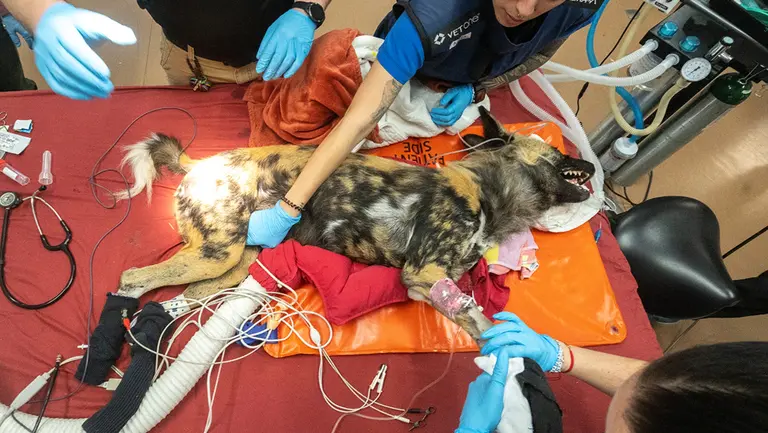
Zoo Miami is known for its commitment to animal welfare, and that extends to ensuring the health of their teeth. Recent reports indicate that several animals at the zoo have received dental care, a practice that is becoming increasingly common in zoological institutions worldwide. This proactive approach to animal health highlights the evolving understanding of animal needs and the dedication of professionals like Ron Magill, a prominent figure at Zoo Miami, to providing the best possible care for its inhabitants.
The need for dental care in animals, much like in humans, stems from the potential for dental disease to impact overall health and well-being. Untreated dental issues can lead to pain, infection, difficulty eating, and even systemic health problems. Zoo Miami’s commitment to preventative dental care is part of a broader trend in zoological medicine, focusing on proactive health management rather than simply treating problems as they arise. This approach is particularly important for animals in captivity, where natural behaviors like chewing on bones or foraging for food, which contribute to dental health in the wild, may be limited.
The Importance of Zoo Animal Dentistry
Dental care for zoo animals is a specialized field, requiring veterinarians and technicians to adapt human dental techniques to a wide variety of species, each with unique anatomical and physiological characteristics. The procedures can range from routine cleanings to more complex treatments like root canals, extractions, and even orthodontic work. Ron Magill, the long-time face and voice of Zoo Miami, has been instrumental in raising awareness about the importance of animal health, including dental care, through his photography and public outreach.
The challenges of providing dental care to zoo animals are significant. Anesthesia is often required, which carries inherent risks. Animals may be naturally resistant to having their mouths examined or treated, requiring specialized restraint techniques. The equipment used for human dentistry may need to be modified or custom-made to accommodate the size and shape of an animal’s mouth. Despite these challenges, the benefits of providing dental care are clear: improved quality of life, reduced pain and suffering, and enhanced overall health for the animals.
A Proactive Approach to Animal Wellbeing
Zoo Miami’s recent dental work on its animals is part of a larger, ongoing effort to provide comprehensive healthcare. The zoo’s veterinary team works closely with nutritionists and animal care staff to develop individualized health plans for each animal, taking into account their species, age, and overall health status. Preventative care, including regular dental checkups, is a cornerstone of this approach. The zoo also participates in collaborative research projects with other institutions to advance the understanding of animal health and improve treatment protocols.
The specific animals that received dental care haven’t been widely publicized beyond initial reports, but the fact that a large feline was among those treated highlights the diversity of species benefiting from this care. Large cats, in particular, are prone to dental problems due to their carnivorous diets and powerful jaws. Dental disease can significantly impact their ability to hunt, eat, and maintain their overall health. Ron Magill’s presentations at the Critter Connection, which began on October 7, 2025, likely include discussions about animal health and welfare, potentially touching upon the importance of dental care.
The Growing Field of Zoological Dentistry
The field of zoological dentistry has experienced significant growth in recent years, driven by a greater understanding of animal needs and advancements in veterinary medicine. Veterinary schools are now offering specialized training in zoological dentistry, and professional organizations are developing standards of care for zoo animals. This increased focus on dental health is leading to improved outcomes for animals in captivity and contributing to the overall conservation of endangered species.
The techniques used in zoological dentistry are constantly evolving. Digital radiography, for example, allows veterinarians to obtain detailed images of an animal’s teeth and jaw without the need for invasive procedures. Advanced anesthesia protocols minimize risks, and specialized dental instruments are designed to provide precise and effective treatment. The leverage of preventative measures, such as dietary modifications and behavioral enrichment, is also becoming increasingly common.
Challenges and Future Directions
Despite the progress made in zoological dentistry, several challenges remain. Funding for animal healthcare can be limited, particularly in smaller zoos and sanctuaries. Access to specialized expertise and equipment may also be a barrier. The long-term effects of dental treatments on animal health are still being studied. Future research will focus on developing more effective preventative measures, improving anesthesia protocols, and exploring recent treatment options.
The increasing awareness of the importance of animal dental health is a positive trend. By prioritizing preventative care and investing in specialized expertise, zoos and sanctuaries can ensure that their animals receive the best possible care, contributing to their overall well-being and supporting conservation efforts. The work of individuals like Ron Magill, who champion animal welfare and educate the public about the importance of conservation, plays a vital role in this process.
Zoo Miami’s commitment to providing dental care for its animals is a testament to its dedication to animal welfare. This proactive approach to health management is not only beneficial for the individual animals but also contributes to the broader goals of conservation and education. As the field of zoological dentistry continues to evolve, we can expect to see even more innovative approaches to animal healthcare, ensuring that animals in captivity live long, healthy, and fulfilling lives.
The next scheduled presentation with Ron Magill at Zoo Miami’s Critter Connection will continue to highlight the importance of animal care and conservation. Zoo Miami encourages visitors to learn more about their animal care programs and support their efforts to protect wildlife. Share your thoughts on the importance of animal dental health in the comments below, and share this article with your friends and family to raise awareness about this important issue.
Related reading