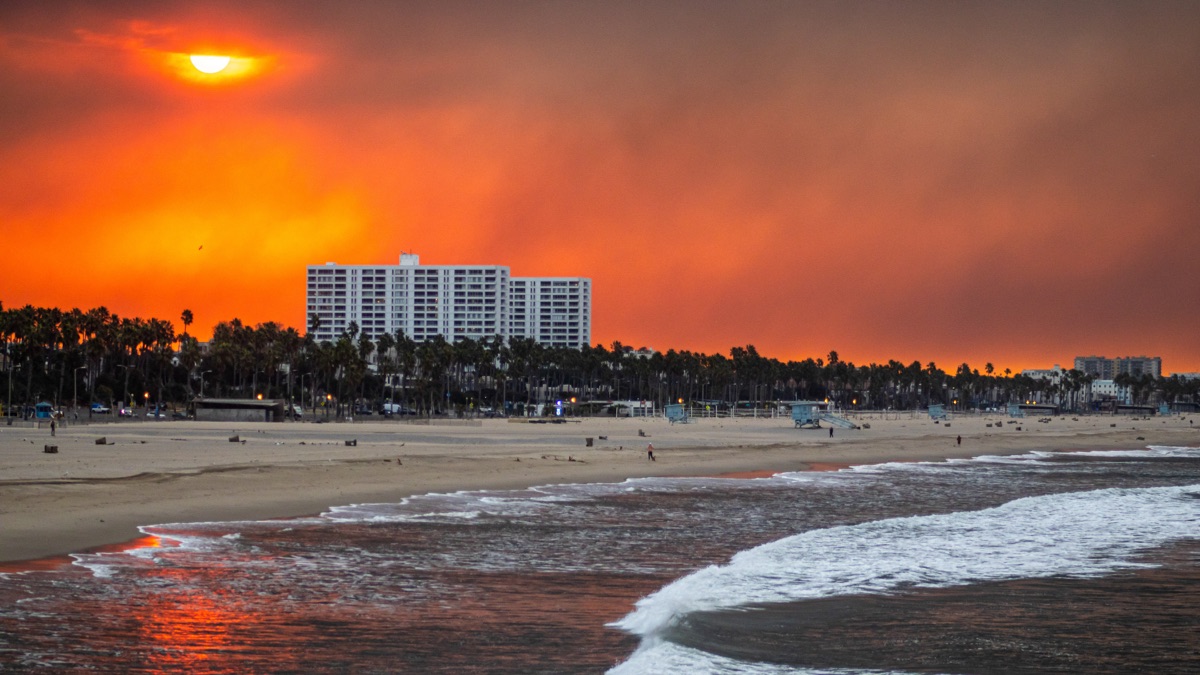
Southern California Reels from Devastating January 2025 Wildfires
Los Angeles and surrounding counties in Southern California endured a harrowing January 2025, as a series of 14 wildfires tore through the region, leaving a trail of destruction and loss. Fueled by prolonged drought conditions, unusually low humidity, accumulated vegetation, and powerful Santa Ana winds – reaching hurricane force in some areas – the blazes caused widespread evacuations, significant property damage, and, tragically, loss of life. The fires, which burned for nearly a month, are being described as among the most destructive in California’s history, straining resources and testing the resilience of local communities.
The January 2025 Southern California wildfires impacted Los Angeles, Orange, Riverside, San Bernardino, San Diego, and Ventura counties. The combination of environmental factors created a perfect storm for rapid fire spread. Santa Ana winds, known for their hot, dry nature, gusted up to 100 miles per hour (160 kilometers per hour), fanning the flames and making containment efforts incredibly challenging. These conditions followed a period of below-average rainfall, exacerbating the already dry landscape and providing ample fuel for the fires. The scale of the disaster prompted widespread concern and a massive response from fire departments and emergency services.
Extent of the Damage and Loss
Official reports indicate that the wildfires burned roughly 57,529 acres (23,281 hectares, or approximately 90 square miles) of land. The most significant damage was concentrated in the areas surrounding the Eaton Fire in Altadena and the Palisades Fire in Pacific Palisades, both of which were fully contained by January 31, 2025. But, the impact extended far beyond these two major incidents, with numerous smaller fires contributing to the overall devastation. More than 18,000 structures were destroyed or damaged, leaving countless residents displaced and facing the daunting task of rebuilding their lives.
The human cost of the fires is particularly heartbreaking. While initial reports indicated a death toll of at least 31, estimates have ranged as high as 440, with 31+ people still listed as missing as of late January 2025. The Wikipedia entry for the January 2025 Southern California wildfires details the evolving numbers and the challenges in accurately assessing the full extent of the casualties. Over 200,000 people were forced to evacuate their homes, seeking refuge in shelters or with family and friends. The psychological impact on those affected is expected to be long-lasting.
The Response and Challenges Faced
Firefighting efforts were a massive undertaking, involving municipal fire departments and the California Department of Forestry and Fire Protection (CAL FIRE). Tactical aircraft played a crucial role in battling the blazes from above, working in coordination with ground firefighting teams. However, the intensity of the fires and the challenging terrain presented significant obstacles. The rapid spread of the flames, coupled with the strong winds, made it tricky to establish containment lines and protect vulnerable communities.
The fires also strained regional resources, with firefighters being deployed from across the state and beyond. The sheer number of simultaneous fires stretched emergency services to their limits, requiring a coordinated response and effective communication between different agencies. The New York Times, in its Spanish-language coverage, highlighted the strain on resources, noting that the fires were becoming the most destructive in Los Angeles history. The article from the New York Times emphasizes the scale of the emergency and the challenges faced by firefighters.
Looking Ahead: The 2025 Fire Season and Prevention
The January 2025 wildfires serve as a stark reminder of the increasing threat posed by wildfires in California and the American West. CAL FIRE’s outlook for the 2025 fire season, based on conditions observed in the spring, indicated warmer and drier than normal conditions across both Northern and Southern California. According to CAL FIRE’s 2025 Fire Season Incident Archive, precipitation in Southern California since October 2024 was approximately 70% of average, with consistently above-average temperatures in May. These conditions, combined with a buildup of dry vegetation, created a highly flammable landscape.
Experts emphasize the need for proactive fire prevention measures, including vegetation management, improved building codes, and increased public awareness. Addressing the underlying causes of climate change, which contribute to prolonged droughts and extreme weather events, is also crucial. Investing in advanced firefighting technology and training, as well as strengthening collaboration between different agencies, will be essential to mitigating the risk of future wildfires. The events of January 2025 underscore the importance of preparedness and resilience in the face of a growing threat.
The Human Stories Amidst the Chaos
While the statistics paint a grim picture, it’s important to remember the individual stories of courage, resilience, and community spirit that emerged from the crisis. Reports from the time highlighted instances of residents helping their neighbors evacuate, volunteers providing support at shelters, and firefighters risking their lives to protect homes and businesses. These acts of heroism and compassion offer a glimmer of hope amidst the devastation.
The fires also sparked a wave of generosity, with donations pouring in from across the country and around the world to support relief efforts. Organizations like the American Red Cross and local charities mobilized quickly to provide food, shelter, and other essential assistance to those affected. The outpouring of support demonstrates the power of community and the shared commitment to helping those in need.
The January 2025 Southern California wildfires were a devastating event, but they also highlighted the strength and resilience of the human spirit. As the region begins the long process of recovery, it is essential to learn from this experience and take steps to prevent similar tragedies from occurring in the future.
The investigation into the cause of the fires is ongoing, and authorities are working to determine whether negligence or other factors contributed to their ignition. Updates on the investigation and recovery efforts can be found on the CAL FIRE website and through local news outlets.
Key Takeaways:
- The January 2025 Southern California wildfires were among the most destructive in the state’s history, impacting multiple counties and causing widespread damage.
- Prolonged drought, low humidity, strong Santa Ana winds, and accumulated vegetation contributed to the rapid spread of the fires.
- Over 200,000 people were forced to evacuate, and at least 31 people lost their lives, with dozens more still missing.
- The fires highlighted the need for proactive fire prevention measures, improved building codes, and increased public awareness.
As of February 19, 2026, recovery efforts are ongoing, and authorities continue to assess the full extent of the damage. The next major update from CAL FIRE regarding the investigation into the fire causes is scheduled for March 15, 2026. We encourage readers to share their experiences and perspectives in the comments below and to support organizations providing assistance to those affected by the wildfires.