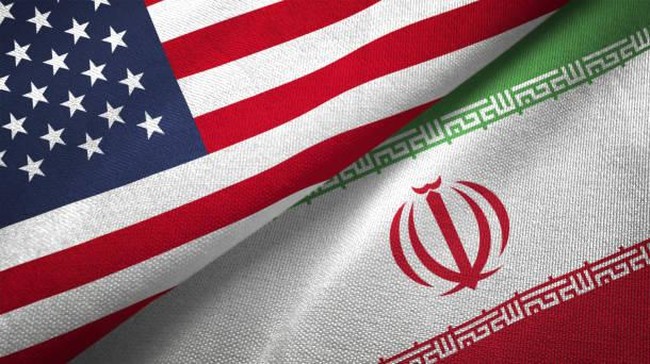
Escalating Tensions: U.S. And Iran on the Brink as Historical Precedent Looms
Washington and Tehran are navigating a period of heightened tension, with the U.S. Military reportedly prepared for potential military action against Iran within the next two weeks. The deployment of the USS Gerald Ford, the U.S. Navy’s newest and most advanced aircraft carrier, to the region underscores the seriousness of the situation. In response, Iran has reportedly increased its alert status and bolstered defenses around its nuclear facilities. This escalating dynamic evokes memories of past confrontations, most notably Operation Praying Mantis in 1988, a large-scale naval battle that serves as a stark reminder of the potential for direct conflict between the two nations.
The current crisis stems from a complex web of geopolitical factors, including Iran’s nuclear program, its regional influence, and support for proxy groups. Whereas specific triggers for the current escalation remain closely guarded, the possibility of a military strike by either side is now being openly discussed. The stakes are exceptionally high, with potential ramifications for global energy markets, regional stability, and international security. The situation is further complicated by ongoing conflicts in the Middle East, including the war in Gaza and the broader struggle for influence in the region.
The historical precedent of Operation Praying Mantis, a retaliatory strike launched by the United States against Iran in April 1988, offers a glimpse into the potential dynamics of a future conflict. The incident began with damage to the USS Samuel B. Roberts, a U.S. Navy frigate, after it struck a mine laid by Iranian forces in the Persian Gulf. This event triggered a swift and forceful response from the Reagan administration, resulting in a series of attacks against Iranian naval assets and oil platforms.
Operation Praying Mantis: A Historical Parallel
On April 14, 1988, the USS Samuel B. Roberts struck a mine in the Persian Gulf, near Qatar, sustaining significant damage. According to Naval History and Heritage Command, the explosion caused injuries to the crew, sparked a large fire, and severely damaged the ship’s engine room, nearly causing it to sink. Naval History and Heritage Command details the incident as a direct provocation by Iran, which had been laying mines in international waters.
President Ronald Reagan authorized a military response, and on April 18, 1988, the U.S. Launched Operation Praying Mantis. The operation targeted Iranian oil platforms used to support military operations and the Iranian frigate Sabalan. The scale of the deployment was substantial, including the aircraft carrier USS Enterprise, fighter jets, and attack helicopters. As noted in U.S Marines in the Gulf War, 1990-1991: Liberating Kuwait (2014), the operation represented the largest surface combat action by the U.S. Navy since World War II.
The initial phase of the operation focused on attacking Iranian oil platforms in the Persian Gulf. These platforms were used by Iran to facilitate the movement of personnel and supplies, and their destruction aimed to disrupt Iranian military capabilities. Simultaneously, Iranian naval forces responded with counterattacks, targeting U.S. Navy ships and tankers flying the American flag. However, these counterattacks proved largely ineffective against the superior firepower and technology of the U.S. Navy.
The climax of the battle occurred when the Iranian frigate Sabalan engaged U.S. Forces. The Sabalan was targeted with conventional missiles and laser-guided munitions, resulting in severe damage and a large fire. Following the destruction of the Sabalan, President Reagan ordered a cessation of operations, deeming that sufficient retaliation had been achieved. Iran suffered significant losses and a weakening of its geopolitical position as a result of the operation.
Recent Developments and the Current Situation
The current situation echoes the tensions of 1988, though the geopolitical landscape has shifted considerably. As reported by CNBC Indonesia on February 20, 2026, Indonesia and the United States recently signed a comprehensive trade agreement, encompassing 11 Memoranda of Understanding (MoU) valued at approximately $38.4 billion (Rp649.5 trillion). Bisnis.com details the agreement, which includes the reduction of tariffs on 1,819 Indonesian products to zero percent and the establishment of a permanent economic council. While this trade agreement represents a positive step in bilateral relations, it does not diminish the underlying security concerns that are driving the current escalation.
The deployment of the USS Gerald Ford carrier strike group is a clear signal of U.S. Resolve and a demonstration of its military capabilities in the region. The USS Gerald Ford is the lead ship of its class, representing the most advanced aircraft carrier in the world. Its presence is intended to deter further Iranian aggression and to reassure U.S. Allies in the Middle East. However, the deployment as well carries the risk of miscalculation and escalation, particularly if Iranian forces perceive it as a direct threat.
Iran, for its part, has responded to the U.S. Military buildup by increasing its own alert status and strengthening defenses around its nuclear facilities. This suggests that Iran is preparing for the possibility of a U.S. Or Israeli strike against its nuclear program. The potential for a direct military confrontation between the U.S. And Iran remains a significant concern, with potentially devastating consequences for the region and the global economy.
Key Takeaways
- Historical Precedent: Operation Praying Mantis in 1988 demonstrates the potential for direct military conflict between the U.S. And Iran.
- Current Escalation: The deployment of the USS Gerald Ford and Iran’s heightened alert status indicate a significant increase in tensions.
- Geopolitical Complexity: The crisis is rooted in a complex web of factors, including Iran’s nuclear program, regional influence, and support for proxy groups.
- Economic Implications: A military conflict could have severe consequences for global energy markets and regional stability.
The situation remains fluid and unpredictable. Negotiations between the U.S. And Iran, mediated by other international actors, are ongoing, but progress has been limited. The outcome of these negotiations will be crucial in determining whether the current escalation can be de-escalated or whether the region is headed towards another armed conflict. According to reporting from CNBC Indonesia on December 23, 2025, negotiations regarding trade tariffs between the U.S. And Indonesia were progressing well, with an agreement expected by the end of January 2026. CNBC Indonesia reported that technical teams from both countries were scheduled to continue discussions in the second week of January 2026.
The next key development to watch will be the outcome of ongoing diplomatic efforts and any potential military actions taken by either side. The international community is closely monitoring the situation and urging restraint. The potential for miscalculation and escalation remains high, and the consequences of a full-scale conflict could be catastrophic.
What are your thoughts on the escalating tensions between the U.S. And Iran? Share your perspectives in the comments below. Please also share this article with your network to raise awareness about this critical issue.
Related reading