Washington D.C. – In a significant blow to the current administration’s economic agenda, the United States Supreme Court on Friday, February 20, 2026, ruled that former President Donald Trump exceeded his authority when imposing a series of broad tariffs impacting global trade. The 6-3 decision centers on tariffs levied under the International Emergency Economic Powers Act (IEEPA), a law intended for national security concerns, and effectively limits the executive branch’s power to unilaterally impose trade duties. This ruling marks a pivotal moment in the ongoing debate over presidential power and congressional authority regarding trade policy, and has already sent ripples through international markets.
The core of the case revolved around the legality of “reciprocal” tariffs enacted by Trump, intended to mirror tariffs imposed by other countries on U.S. Goods. Although the court’s decision does not directly address tariffs imposed on specific sectors like automobiles, steel, or aluminum, it establishes a critical precedent regarding the scope of presidential power in trade matters. The ruling underscores the constitutional principle of separation of powers, reaffirming that the authority to impose tariffs ultimately rests with Congress. This decision effectively blocks a key tool Trump sought to utilize to reshape America’s economic relationships with nations worldwide.
The Supreme Court’s decision builds upon previous rulings from lower courts that had also questioned the legality of Trump’s tariff actions under IEEPA. A commercial court initially ruled in May that Trump had overstepped his authority with the widespread tariffs, blocking most from taking effect, but that ruling was stayed pending appeal. Friday’s Supreme Court decision now firmly upholds that initial finding, delivering a decisive legal setback to the administration’s trade policies. The case highlights the complex interplay between national security concerns and economic policy, and the constitutional limits on executive power in these areas.
The Ruling and its Legal Basis
The majority opinion, penned by Chief Justice John Roberts, stated that the Constitution “clearly” grants the power to impose duties, including tariffs, to Congress. As the highest court in the federal judiciary, the Supreme Court’s decision is binding on all lower courts and federal agencies. “The Framers did not deposit any portion of the taxing power in the Executive Branch,” Roberts wrote, emphasizing the historical intent behind the constitutional allocation of powers. The ruling specifically addresses the apply of IEEPA, a 1977 law that allows the president to impose economic sanctions and tariffs in response to national emergencies. The court found that while IEEPA grants broad authority to address emergencies, it does not authorize the imposition of tariffs for purely economic reasons.
The dissenting justices – Samuel Alito, Clarence Thomas, and Brett Kavanaugh – argued that the tariffs, while perhaps not ideal policy, were nonetheless legal under the existing framework. Justice Kavanaugh, in his dissenting opinion, stated that the tariffs “may or may not be good policy,” but are “clearly lawful” as a matter of constitutional text, history, and precedent. This division within the court underscores the deeply held ideological differences regarding the appropriate balance of power between the executive and legislative branches. The dissenting justices’ arguments centered on the broad interpretation of executive authority in matters of national security and economic competition.
Trump’s Reaction and the Broader Economic Impact
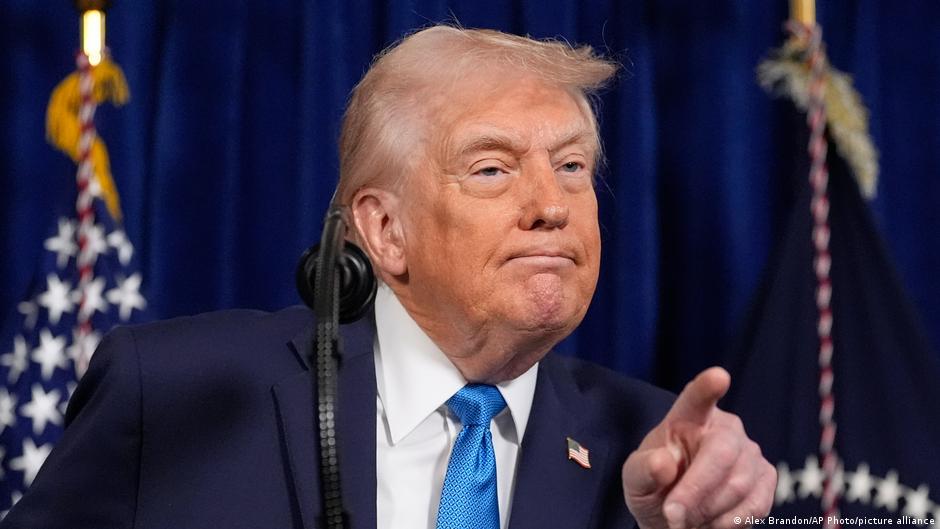
According to reports, Trump reacted to the ruling with frustration, calling it “a disgrace” during a meeting with governors. The decision represents a significant obstacle to the administration’s efforts to renegotiate trade deals and protect domestic industries. Trump had initially begun utilizing tariffs during his first term (2017-2021) as a negotiating tactic, but upon returning to power in January 2025, he announced plans to leverage IEEPA to impose new tariffs on nearly all of the United States’ trading partners. This latest ruling effectively halts that strategy.
The immediate economic impact of the ruling is still unfolding, but analysts predict increased uncertainty in global trade. The tariffs targeted a wide range of goods, impacting supply chains and potentially leading to higher prices for consumers. While the decision removes a significant source of trade friction, it also leaves unanswered questions about the future direction of U.S. Trade policy. Businesses that had adjusted to the tariffs may now necessitate to reassess their strategies, and the administration will likely need to seek alternative avenues for achieving its economic goals. The decision also raises questions about the legality of other trade measures taken by the administration under IEEPA.
Beyond “Reciprocal” Tariffs: What Remains in Place?
It’s crucial to note that the Supreme Court’s ruling specifically addresses the tariffs presented as “reciprocal” under IEEPA. This means tariffs imposed on sectors like automobiles, steel, and aluminum, which were justified under different legal authorities – specifically Section 232 of the Trade Expansion Act of 1962, which allows tariffs based on national security concerns – remain in effect. These Section 232 tariffs, initially imposed during Trump’s first term, continue to be a source of contention with key trading partners like the European Union and Japan. The decision, is not a complete dismantling of the Trump administration’s trade policies, but rather a targeted limitation on the use of IEEPA for tariff imposition.
the administration had also implemented tariffs related to concerns over illicit drugs and immigration, particularly targeting Mexico, Canada, and China. The legal basis for these tariffs is separate from IEEPA and remains unaffected by the Supreme Court’s ruling. The administration may attempt to justify these tariffs under other legal authorities, but they could also face legal challenges similar to those brought against the “reciprocal” tariffs. The long-term implications of the ruling will depend on how the administration chooses to respond and whether it seeks to pursue alternative legal avenues for imposing trade restrictions.
Key Takeaways
- The Supreme Court ruled 6-3 against the Trump administration’s use of IEEPA to impose broad tariffs.
- The ruling reaffirms Congress’s constitutional authority over trade policy and tariff imposition.
- Tariffs imposed under Section 232 of the Trade Expansion Act remain in effect.
- The decision is expected to create uncertainty in global trade and may prompt a reassessment of U.S. Trade strategy.
The Supreme Court’s decision marks a significant moment in the ongoing debate over the balance of power between the executive and legislative branches. It underscores the importance of congressional oversight in trade policy and reaffirms the constitutional principles that have governed U.S. Trade relations for centuries. The administration is expected to address the ruling in the coming days, outlining its plans for navigating the new legal landscape and pursuing its economic objectives. The next step will likely involve a review of existing trade policies and a potential effort to perform with Congress to develop a more comprehensive and legally sound trade strategy.
The court is currently scheduled to hear arguments in a separate case concerning the legality of certain environmental regulations on March 15, 2026, which could further shape the administration’s policy agenda. Readers are encouraged to share their thoughts on this ruling and its potential impact on the global economy in the comments section below.
Related reading