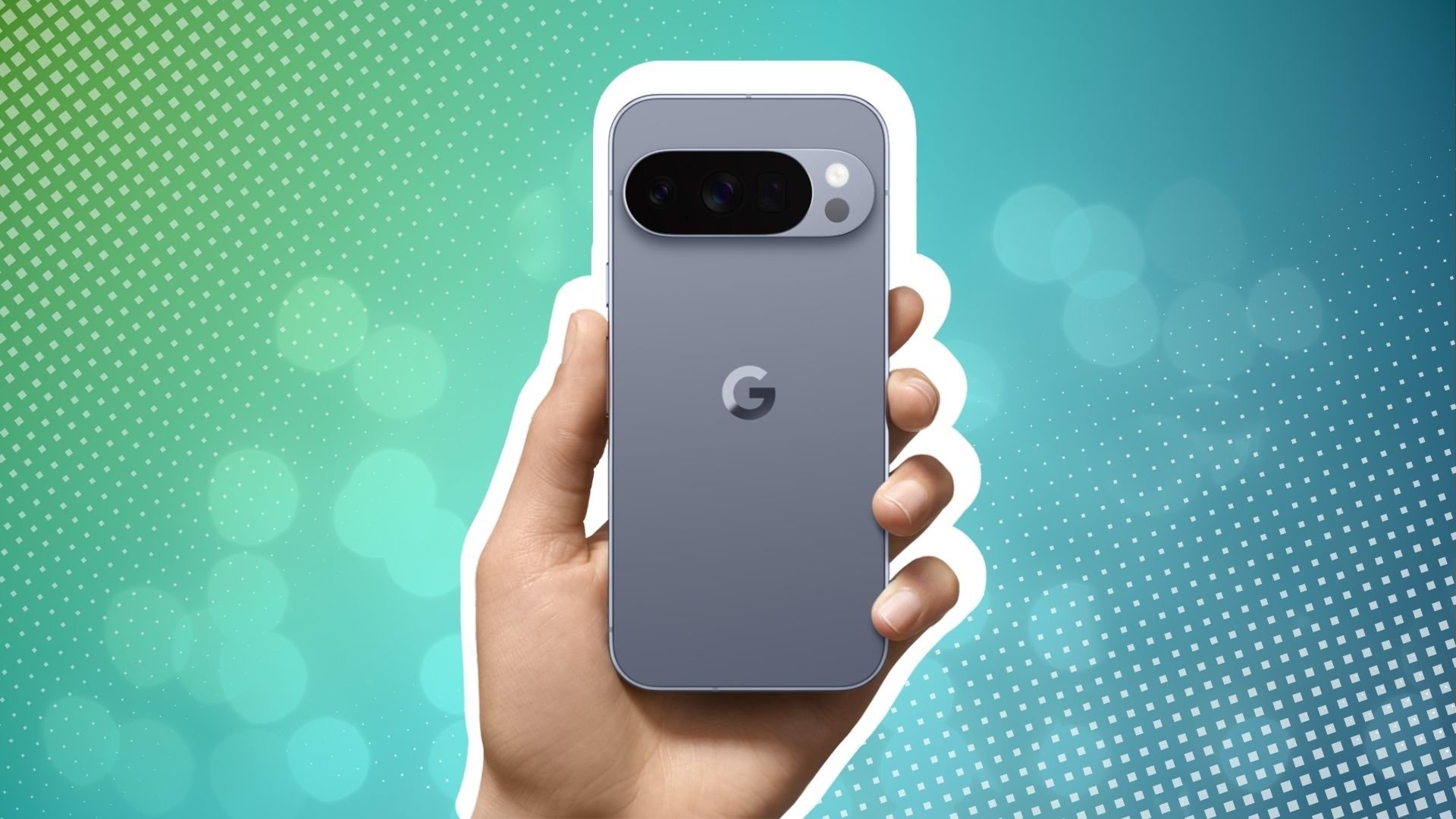
Google Set to Bolster Pixel Security with New Chip, First Major Upgrade in Five Years
San Francisco, CA – Google is poised to significantly enhance the security features of its Pixel smartphones with a forthcoming hardware upgrade, marking the most substantial improvement in this area in over five years. At the heart of this anticipated advancement is the Tensor G6 processor, expected to power the Pixel 11, coupled with a new security coprocessor dubbed the “Titan M3.” The move signals a renewed focus on protecting user data in an increasingly complex threat landscape, and comes as consumers demand greater privacy and security from their mobile devices.
The information, initially reported by Mystic Leaks on Telegram and subsequently covered by 9to5Google, suggests that the new chip incorporates codenames “Google Epic” and “longjing,” likely representing the processor and its associated firmware. This upgrade is particularly noteworthy as it represents the first major security enhancement for the Pixel line since the introduction of the Titan M2 chip with the Pixel 6 in 2021. Since then, the Titan M2 has been a standard feature across all Pixel models, providing a foundational layer of hardware-based security.
Understanding the Role of a Security Coprocessor
The Titan M2 security chip functions as a dedicated hardware-based security element within the Pixel smartphone. Unlike the main processor, it operates in isolation, safeguarding sensitive information such as biometric data used for fingerprint authentication and cryptographic keys essential for secure transactions. According to Android Authority, the chip also verifies the integrity of the operating system during each boot-up, protecting against a wide range of potential attacks and ensuring the device hasn’t been tampered with. Android Authority details how this process helps to maintain a secure environment for users.
While the specific improvements offered by the Titan M3 remain undisclosed, industry analysts anticipate that it will build upon the foundation laid by its predecessor, strengthening existing security measures and providing protection against emerging threats. The evolution of mobile security is a constant arms race, and Google’s investment in a new security coprocessor demonstrates its commitment to staying ahead of potential vulnerabilities.
Pixel 11: Beyond Security – Potential for Advanced Features
The leaked information surrounding the Pixel 11 extends beyond security enhancements. Reports also suggest that Google is developing a highly advanced 3D face recognition system for the upcoming smartphone. Giga.de reports that this feature aims to address a perceived disadvantage compared to Apple’s Face ID technology. If implemented successfully, this could provide a more secure and convenient method of unlocking the device and authenticating transactions.
Google’s Pixel line has consistently focused on integrating cutting-edge technology, particularly in the areas of artificial intelligence and machine learning. The Tensor processors, designed in-house by Google, are specifically engineered to accelerate these capabilities. The Tensor G6 is expected to further refine this approach, offering improved performance and efficiency. The Pixel series, which began with the original Pixel phone in 2016, replaced the earlier Nexus line and has become a flagship for Google’s Android ecosystem.
A Gaze Back at the Pixel Evolution
The Google Pixel brand has expanded significantly since its inception. Initially focused on smartphones, the Pixel family now includes tablets and laptops, alongside a range of accessories. According to Wikipedia, the first Pixel device, a Chromebook Pixel, was released in February 2013. Google Pixel (via Wikipedia) provides a detailed timeline of the Pixel product line, highlighting the evolution of the brand over the past decade. The current smartphone lineup includes the Pixel 10, Pixel 10 Pro, Pixel 10 Pro XL, Pixel 10 Pro Fold, and Pixel 10a, demonstrating Google’s commitment to offering a diverse range of options to meet different consumer needs.
The Pixel’s success is also tied to Google’s commitment to providing timely software updates and new features. The company has consistently delivered new functionalities to Pixel devices through Feature Drops, offering users access to the latest Android innovations. This commitment to software support is a key differentiator for the Pixel line, enhancing the overall user experience and extending the lifespan of the devices.
The Importance of Hardware-Level Security
The increasing sophistication of cyberattacks necessitates a robust approach to mobile security. While software-based security measures are essential, they are often vulnerable to exploits and malware. Hardware-level security, such as that provided by the Titan M3 chip, offers a more resilient layer of protection. By isolating sensitive data and verifying the integrity of the operating system, these chips can significantly reduce the risk of compromise.
The growing reliance on mobile devices for financial transactions, personal communication, and sensitive data storage underscores the importance of robust security measures. Consumers are increasingly aware of the risks associated with data breaches and identity theft, and they are demanding greater control over their personal information. Google’s investment in the Titan M3 chip reflects this growing demand for enhanced security.
The Pixel 10 series, currently available through the Google Store, showcases the latest advancements in Pixel technology. The Google Store offers a range of Pixel smartphones, including the Pixel 10, Pixel 10 Pro, and Pixel 10 Pro Fold, with new features being rolled out regularly. The company is also offering promotional deals on the Pixel 10a, including trade-in discounts and Google Store credit.
As the release of the Pixel 11 approaches, anticipation is building among tech enthusiasts and security-conscious consumers. The combination of the Tensor G6 processor, the Titan M3 security coprocessor, and the potential for advanced features like 3D face recognition positions the Pixel 11 as a potential leader in the smartphone market. The focus on security, coupled with Google’s commitment to innovation, suggests that the Pixel 11 will be a compelling option for users seeking a secure and feature-rich mobile experience.
Google has not yet officially confirmed the specifications or release date of the Pixel 11. However, further details are expected to emerge in the coming months as the company prepares for its launch. The next key milestone will likely be an official announcement from Google, providing a comprehensive overview of the Pixel 11’s features and capabilities.
What to expect next: Google is expected to officially unveil the Pixel 11 and its new features during its annual Google I/O developer conference, typically held in May. Stay tuned to World Today Journal for continued coverage of the Pixel 11 and the latest developments in mobile technology.
What are your thoughts on the potential security enhancements coming to the Pixel 11? Share your comments and insights below.
Worth a look