Istanbul, Bulgaria – February 21, 2026 – Tensions in the Middle East are escalating rapidly as Iran has declared that all bases and military personnel belonging to the United States in the region will be considered legitimate targets should the country be subjected to military aggression. This stern warning comes amidst a significant build-up of U.S. Forces in the area and as President Donald Trump has issued a ten-day ultimatum to Tehran regarding its nuclear program, raising the specter of a potential conflict.
The escalating rhetoric and military posturing have sparked international concern, with diplomatic efforts underway to de-escalate the situation. The core issue revolves around Iran’s nuclear ambitions and the United States’ insistence on limiting those ambitions through stringent negotiations. The current impasse threatens to unravel years of delicate diplomatic maneuvering and could plunge the region into a wider conflict. This situation is particularly sensitive given the complex geopolitical landscape of the Middle East, with numerous regional actors and potential flashpoints.
Iran’s Direct Threat and U.S. Military Buildup
According to a letter sent to the United Nations Secretary-General António Guterres, Iran stated it would “respond decisively and proportionally” to any military attack. The letter explicitly names U.S. Bases, installations, and personnel as legitimate targets, placing full responsibility on the United States for any “uncontrolled and unpredictable consequences” that may arise. El Periódico Mediterráneo reports that this declaration is a direct response to the increasing U.S. Military presence in the region.
The U.S. Military buildup is substantial. The aircraft carrier U.S.S. Gerald R. Ford, previously deployed in the Caribbean during operations related to Venezuela, is reportedly heading towards the Strait of Gibraltar to join the U.S.S. Abraham Lincoln, already stationed in Middle Eastern waters. El País details that this deployment includes dozens of tanker aircraft, over 50 additional fighter jets, and two aircraft carrier strike groups, complete with destroyers, cruisers, and submarines.
Trump’s Ultimatum and the Possibility of Limited Strikes
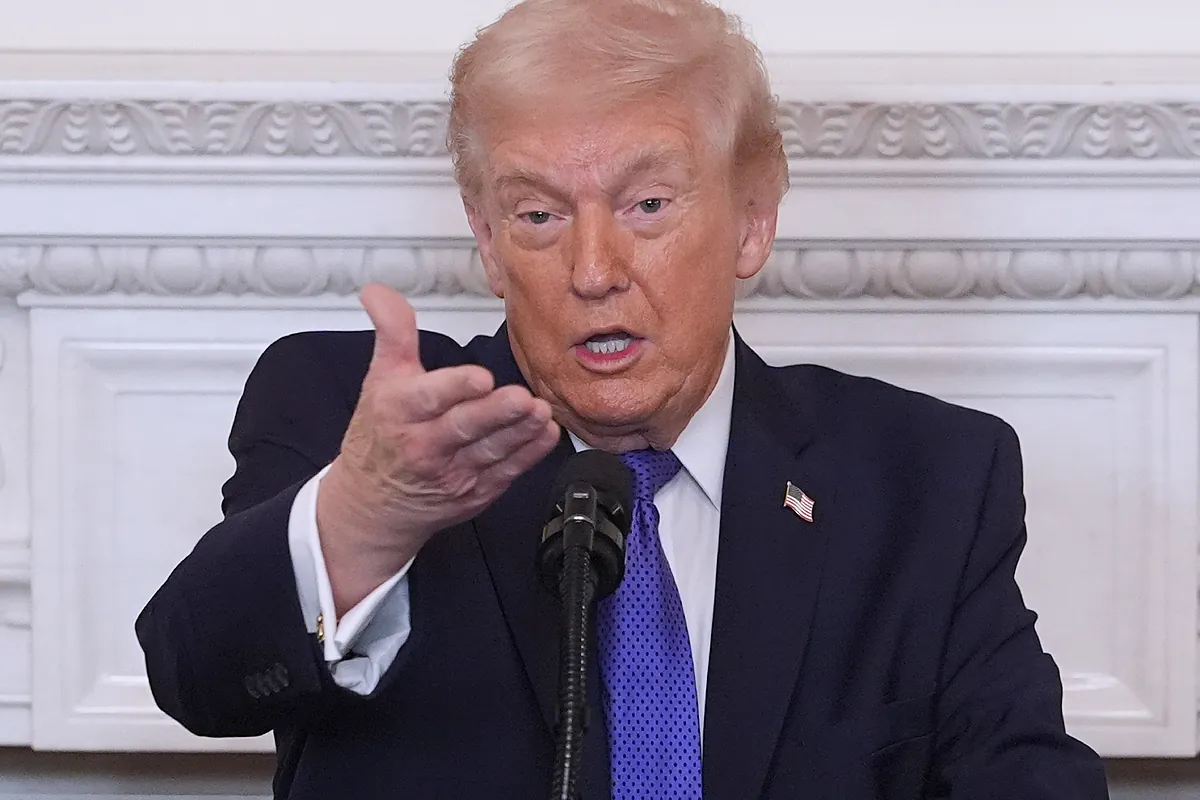
President Trump has publicly indicated his willingness to consider military action, describing a potential strike as “limited.” During a press conference at the White House on February 20, 2026, Trump stated he was “considering” an attack, while simultaneously emphasizing the require for Iran to engage in meaningful negotiations. He initially issued a ten-day deadline for Iran to reach an agreement, warning of “bad things” if the deadline is not met. El País reported on this ultimatum, highlighting the growing tension between Washington and Tehran.
The nature of a potential “limited” strike remains unclear. Analysts suggest it could involve targeting Iranian nuclear facilities or military assets, but any such action carries the risk of escalation. Iran has consistently maintained that it is not seeking to develop nuclear weapons, asserting its nuclear program is for peaceful purposes. However, concerns remain regarding the program’s potential to be weaponized, fueling the ongoing tensions.
The History of Nuclear Negotiations
The current crisis is rooted in the long-standing dispute over Iran’s nuclear program. The 2015 Joint Comprehensive Plan of Action (JCPOA), also known as the Iran nuclear deal, was an agreement reached between Iran and the P5+1 (China, France, Germany, Russia, the United Kingdom, and the United States) to limit Iran’s nuclear program in exchange for sanctions relief. However, the United States unilaterally withdrew from the JCPOA in 2018 under the Trump administration, reimposing sanctions on Iran. This withdrawal led Iran to gradually roll back its commitments under the agreement, increasing concerns about its nuclear capabilities.
Abbas Araghchi, Iran’s Foreign Minister and lead negotiator in nuclear talks, has repeatedly warned that any military attack by the United States would not be a bilateral conflict but would instead escalate into a regional war. This assessment underscores the potential for wider instability in an already volatile region.
Regional Implications and International Response
A military confrontation between the U.S. And Iran would have far-reaching consequences for the Middle East and beyond. The region is already grappling with numerous conflicts, including the ongoing civil war in Yemen, the Syrian conflict, and the rise of extremist groups. A new conflict could exacerbate these existing tensions and lead to a humanitarian crisis. The Strait of Hormuz, a vital shipping lane for global oil supplies, could also be disrupted, potentially impacting global energy markets.
The international community is urging both sides to exercise restraint and engage in dialogue. The European Union, along with other international actors, has called for a de-escalation of tensions and a return to the negotiating table. However, the prospects for a diplomatic solution remain uncertain, given the deep mistrust between Washington and Tehran.
Key Stakeholders and Potential Impacts
Several key stakeholders are closely monitoring the situation:
- Saudi Arabia and the United Arab Emirates: These regional rivals of Iran view Iran’s nuclear program as a threat to their security and are likely to support U.S. Efforts to contain Iran.
- Iraq: As a neighboring country, Iraq is particularly vulnerable to the fallout from a conflict between the U.S. And Iran.
- Israel: Israel has long viewed Iran as an existential threat and has repeatedly called for stronger action to curb its nuclear ambitions.
- China and Russia: Both countries are parties to the JCPOA and have expressed concerns about the U.S. Withdrawal from the agreement. They are likely to advocate for a diplomatic solution.
What Happens Next?
The next few days are critical. President Trump’s ten-day ultimatum expires soon, and the world awaits his decision. The U.S. Military remains on high alert, and Iran has vowed to retaliate against any aggression. Diplomatic efforts are continuing, but the path to a peaceful resolution remains unclear. The situation is highly fluid and could change rapidly.
The United Nations Security Council is expected to convene an emergency session to discuss the escalating tensions. The outcome of that meeting could provide further insight into the international community’s response to the crisis. The coming days will undoubtedly be pivotal in determining the future of the Middle East and the broader international order.
Key Takeaways:
- Iran has threatened to target U.S. Bases and personnel in the Middle East if attacked.
- The U.S. Has significantly increased its military presence in the region.
- President Trump has issued a ten-day ultimatum to Iran regarding its nuclear program.
- The situation is highly volatile and could escalate into a wider conflict.
- International efforts to de-escalate tensions are ongoing, but the prospects for a diplomatic solution remain uncertain.
Stay informed about this developing story. We will continue to provide updates as they grow available. Share your thoughts and perspectives in the comments below.
Related reading
- Firefighter’s Smart Glasses Capture Intense Battle Against Gironde Wildfires in France
- Argentina to Face Turkey in World Group I Clash
- The Senate Blue Slip, Explained: The Custom Trump Wants Gone (daybreakwire.com)
- Missouri’s Leadership Amidst White House-Backed Ratepayer Protection Pledge (news-usa.today)