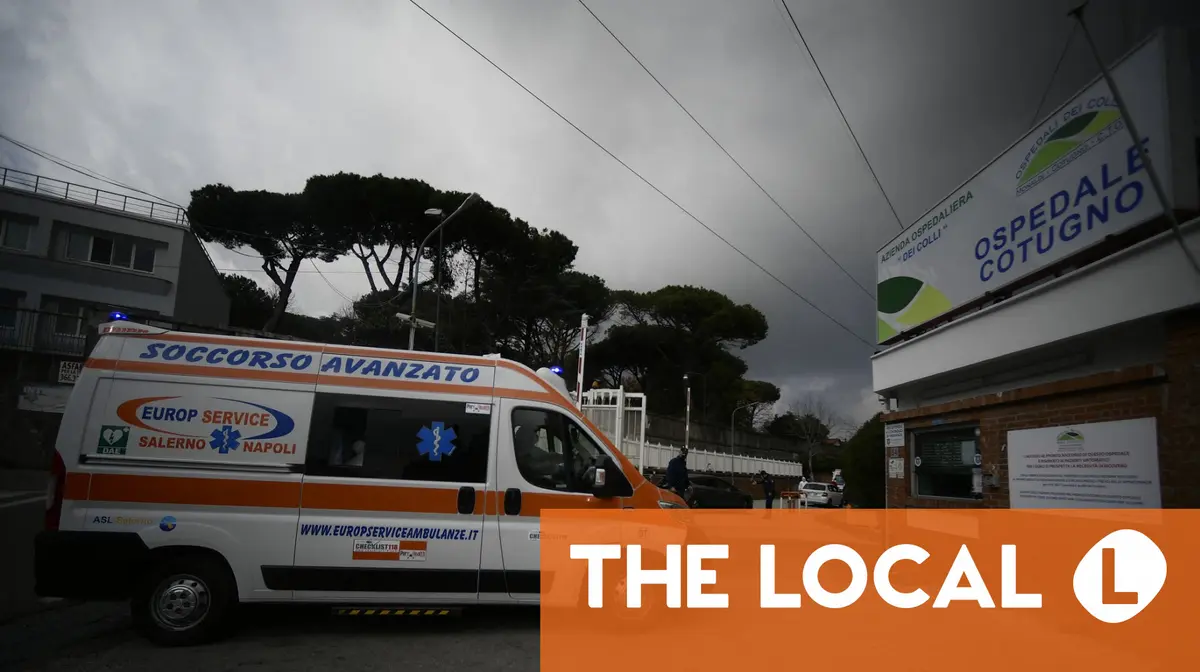
Toddler Dies After Faulty Heart Transplant Sparks Investigation in Italy
Naples, Italy – A two-year-old boy, Domenico Mercolino, died on Saturday after receiving a heart transplant in December that authorities believe was compromised during transport. The case has ignited public outrage in Italy and prompted a formal investigation into potential medical malpractice. Domenico’s mother, Patrizia Mercolino, confirmed her son’s passing, stating, “It’s over. Domenico’s gone,” to Italian media. The tragedy has raised serious questions about the protocols surrounding organ transportation and preservation, and the potential impact on public trust in the nation’s transplant system.
The young boy had been hospitalized in critical condition at the Monaldi Hospital in Naples since December 23rd, following the heart transplant. According to reports, the donor heart, transported approximately 800 kilometers from Bolzano in northern Italy, was allegedly damaged by direct contact with dry ice during transit. This critical failure led to a prolonged struggle for Domenico, who remained on life support for weeks, capturing the attention and sympathy of the Italian public. The investigation, currently underway, involves six medical staff members, as prosecutors seek to determine the extent of negligence and accountability in the case.
Patrizia Mercolino, speaking to the press after her son’s death, announced her intention to establish a foundation in Domenico’s name. “I want to leave a mark for my son, and this foundation will do it. I will fight to keep Domenico’s memory alive,” she stated. She also issued a warning to the public, urging them to be wary of fraudulent appeals for donations purportedly made on behalf of the family. “They are scams, do not listen to what is coming out,” she cautioned, highlighting the vulnerability of grieving families to exploitation.
The Timeline of Events and Concerns Over Organ Transport
The events leading to Domenico’s death began with the identification of a suitable donor heart in Bolzano. The organ was then prepared for transport to Naples, where Domenico was awaiting a transplant. However, concerns quickly arose regarding the method of preservation during the lengthy journey. Reports indicate the heart was transported in a container lacking a thermometer, a crucial instrument for monitoring and maintaining the appropriate temperature for organ viability. Leggo.it reports that the heart came into direct contact with dry ice, a method considered unsuitable and potentially damaging to the delicate organ.
The potential for damage from improper cooling is a significant concern in organ transplantation. Dry ice, although capable of achieving extremely low temperatures, can cause cryoinjury – damage to cells caused by freezing. Maintaining a consistent, controlled temperature is vital to preserve the organ’s functionality and ensure a successful transplant. The lack of a thermometer in the transport container meant that any temperature fluctuations would have gone undetected, potentially compromising the heart’s viability.
Domenico’s mother recounted the harrowing final moments, describing how she received a call in the early hours of Saturday morning informing her of her son’s deteriorating condition. “They called me tonight, around 4, telling me the situation was getting worse because the ECMO machine was starting to slow down,” she explained to “Mi Manda Rai Tre.” “I stayed until the extremely end, until the machine had to be turned off: and it was over.” The ECMO (Extracorporeal Membrane Oxygenation) machine is a life support system used to assist heart and lung function, and its failure to maintain Domenico’s circulation signaled the irreversible damage to the transplanted organ.
National Grief and Concerns for Organ Donation Rates
The death of Domenico Mercolino has resonated deeply throughout Italy, prompting expressions of grief from across the political spectrum. Health Minister Orazio Schillaci, in a statement reported by Italian media, acknowledged the profound impact of the case, stating that it had “moved the whole of Italy.” LaPresse reports that Schillaci has also voiced concerns about a potential decline in organ donation rates as a result of the tragedy, emphasizing the need for transparency and reassurance to maintain public trust in the country’s medical services.
Organ donation rates are a critical indicator of a nation’s healthcare system and its citizens’ willingness to contribute to saving lives. A decline in donations could have devastating consequences for those awaiting transplants, potentially leading to increased mortality rates. The Italian National Transplant Center (Centro Nazionale Trapianti) actively promotes organ donation and works to ensure the safety and efficacy of the transplant process. The current situation underscores the importance of maintaining rigorous quality control measures and addressing public concerns to safeguard the future of organ donation in Italy.
The investigation into Domenico’s death is expected to shed light on the specific failures in the transport process and identify any systemic issues that may have contributed to the tragedy. Prosecutors are examining the roles and responsibilities of all individuals involved, from the medical team in Bolzano to those responsible for transporting the organ to Naples. The goal is to determine whether negligence occurred and, if so, to hold those responsible accountable for their actions.
Foundation to Honor Domenico’s Memory and Support Other Children
Despite her immense grief, Patrizia Mercolino is determined to channel her pain into a positive legacy for her son. She plans to establish a foundation in Domenico’s name, dedicated to supporting other children in need and raising awareness about the importance of organ donation. “On Monday, I will go to the notary to sign the papers to set up a foundation in Domenico’s name. My solicitor will take care of it. I want to do this so that Domenico will not be forgotten and to help other children,” she stated, as reported by LaPresse. The foundation will serve as a lasting tribute to Domenico’s life and a beacon of hope for families facing similar challenges.
The foundation’s specific goals and activities are still being developed, but Mercolino envisions it providing financial assistance to families of children awaiting transplants, supporting research into improved organ preservation techniques, and advocating for greater transparency and accountability in the transplant system. The initiative reflects her unwavering commitment to ensuring that no other family has to endure the heartbreak she has experienced.
As the investigation continues and the foundation takes shape, Domenico Mercolino’s story serves as a poignant reminder of the fragility of life and the critical importance of a safe and reliable organ transplantation system. The case has sparked a national conversation about the need for improved protocols, greater oversight, and a renewed commitment to preserving public trust in the life-saving practice of organ donation.
The next step in the legal process is expected to be a preliminary hearing scheduled for March 15th, where prosecutors will present their initial findings and seek to determine whether to proceed with a full trial. Updates on the investigation and the establishment of the foundation can be found on the websites of Italian news outlets such as Leggo.it and LaPresse. We encourage readers to share their thoughts and condolences in the comments section below.
Worth a look