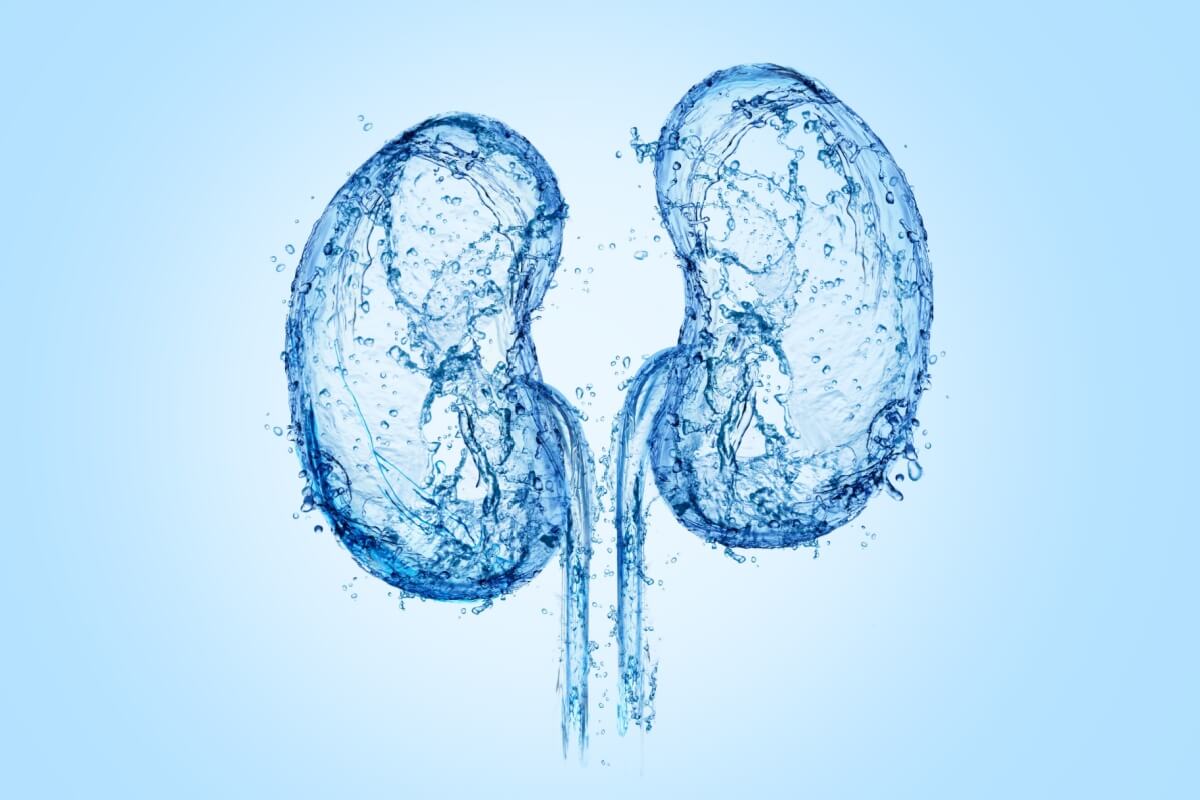
Silent Threat: Understanding Chronic Kidney Disease and Recognizing Early Warning Signs
Chronic kidney disease (CKD) is a growing global health concern, often progressing silently for years before symptoms turn into noticeable. Affecting an estimated 10% of the world’s population, CKD poses a significant burden on healthcare systems and individual well-being. According to nephrologist Kellen Costa, many conditions impacting the kidneys develop subtly, making early detection crucial for effective management and preventing progression to kidney failure.
The kidneys, vital organs responsible for filtering waste products and excess fluids from the blood, also play a critical role in regulating blood pressure, producing red blood cells, and maintaining electrolyte balance. When kidney function declines, these essential processes are disrupted, leading to a cascade of health problems. Early stages of CKD often present with no obvious symptoms, which is why it’s frequently referred to as a “silent disease.” This underscores the importance of regular check-ups, particularly for individuals with risk factors such as diabetes, high blood pressure, heart disease, and a family history of kidney problems.
What Causes Chronic Kidney Disease?
A variety of factors can contribute to the development of CKD. Diabetes and hypertension are the leading causes, accounting for approximately two-thirds of all cases. Over time, high blood sugar levels associated with diabetes can damage the delicate filtering units within the kidneys, known as nephrons. Similarly, uncontrolled high blood pressure can put excessive strain on the kidneys, leading to nephron damage. Other causes include glomerulonephritis (inflammation of the kidney’s filtering units), polycystic kidney disease (an inherited disorder characterized by the growth of cysts in the kidneys), urinary tract infections, and certain medications.
Recognizing the Signs: When to Seek Medical Attention
While early CKD often lacks noticeable symptoms, as kidney function deteriorates, the body begins to exhibit a range of signs. Dr. Costa highlights that significant declines in kidney function often manifest as swelling in the legs, feet, or face. This edema occurs because the kidneys are unable to effectively remove excess fluid from the body.
Beyond swelling, other common symptoms include:
- Fatigue: Kidneys produce erythropoietin, a hormone that stimulates red blood cell production. Reduced kidney function can lead to anemia, causing persistent tiredness and weakness.
- Loss of Appetite: A buildup of waste products in the blood can suppress appetite and lead to nausea and vomiting.
- Nausea and Vomiting: As toxins accumulate, they can irritate the digestive system, causing nausea and vomiting.
- High Blood Pressure: Damaged kidneys struggle to regulate blood pressure, often leading to hypertension. This can create a vicious cycle, as high blood pressure further damages the kidneys.
- Changes in Urination: This can include more frequent urination, especially at night (nocturia), or changes in the color or appearance of urine.
- Itchy Skin: A buildup of waste products can cause severe itching.
- Muscle Cramps: Electrolyte imbalances, a consequence of impaired kidney function, can lead to muscle cramps.
It’s important to note that these symptoms are not exclusive to kidney disease and can be indicative of other health conditions. However, if you experience a combination of these symptoms, particularly if you have risk factors for CKD, it’s essential to consult a healthcare professional for evaluation.
Diagnosis and Staging of Chronic Kidney Disease
Diagnosing CKD typically involves a combination of blood and urine tests. A blood test, specifically measuring creatinine levels, helps assess kidney function. Creatinine is a waste product produced by muscle metabolism, and its levels rise in the blood when the kidneys are unable to filter it effectively. The glomerular filtration rate (GFR), calculated from creatinine levels, provides a more accurate measure of kidney function.
Urine tests can detect the presence of protein in the urine (proteinuria), an early sign of kidney damage. Albumin, a specific type of protein, is often measured to assess the extent of kidney damage.
CKD is staged from 1 to 5, based on GFR levels.
| Stage | GFR (mL/min/1.73 m2) | Description |
|---|---|---|
| 1 | 90 or higher | Kidney damage with normal or increased GFR |
| 2 | 60-89 | Kidney damage with mildly decreased GFR |
| 3a | 45-59 | Mildly to moderately decreased GFR |
| 3b | 30-44 | Moderately to severely decreased GFR |
| 4 | 15-29 | Severely decreased GFR |
| 5 | Less than 15 | Kidney failure |
Early detection and intervention are crucial to slowing the progression of CKD.
Management and Treatment Options
Treatment for CKD focuses on managing underlying causes, slowing disease progression, and alleviating symptoms. For individuals with diabetes or high blood pressure, strict control of these conditions is paramount. Lifestyle modifications, such as adopting a healthy diet low in sodium, phosphorus, and potassium, maintaining a healthy weight, and engaging in regular exercise, can also play a significant role.
Medications may be prescribed to manage blood pressure, control blood sugar, reduce protein in the urine, and treat anemia. In advanced stages of CKD (stages 4 and 5), dialysis or kidney transplantation may be necessary to sustain life. Dialysis involves filtering the blood artificially to remove waste products and excess fluids. Kidney transplantation involves replacing the damaged kidney with a healthy kidney from a donor.
The increasing prevalence of kidney disease highlights the necessitate for greater awareness and proactive prevention strategies. Regular check-ups, particularly for those at risk, can facilitate early detection and intervention, ultimately improving outcomes and quality of life for individuals affected by this silent threat. As emphasized by nephrologist Kellen Costa, recognizing the subtle signs and seeking timely medical attention are vital steps in protecting kidney health.
The National Kidney Foundation offers comprehensive resources and support for individuals with kidney disease and their families. You can find more information and resources at https://www.kidney.org/.
What steps are you taking to protect your kidney health? Share your thoughts and experiences in the comments below. Don’t forget to share this article with your friends and family to raise awareness about chronic kidney disease.