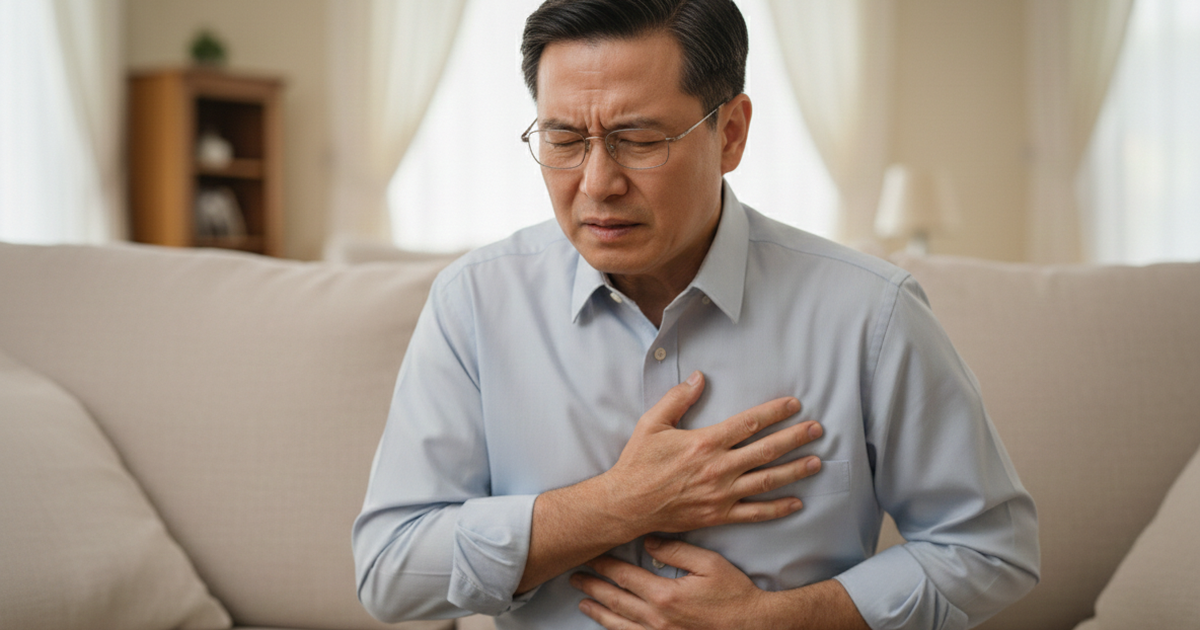
The moments following a suspected heart attack can be critical, especially if you are alone. While prompt medical attention is always paramount, knowing how to react in those initial, potentially life-threatening minutes can significantly improve your chances of survival. Recent discussions among cardiologists, including insights from US-based heart surgeon Dr. Jeremy London, emphasize the importance of swift action and awareness, even when help is en route.
The fear of experiencing a heart attack alone is a valid one. Many individuals, particularly those living independently or in remote areas, worry about the ability to access immediate assistance. However, understanding the key steps to take – and communicating your situation effectively – can make a substantial difference. A heart attack, also known as a myocardial infarction, occurs when blood flow to a part of the heart is blocked, often by a blood clot. Recognizing the symptoms, which can vary between individuals, is the first crucial step. Common signs include chest pain or discomfort, shortness of breath, pain radiating to the arm, jaw, neck, or back, and nausea or lightheadedness. It’s important to remember that not everyone experiences the same symptoms, and women, in particular, may present with atypical symptoms like fatigue or abdominal discomfort.
What to Do If You Suspect a Heart Attack While Alone
Dr. London, a board-certified US heart surgeon with over 25 years of experience, stresses that in a crisis, focusing on a few key actions can be life-saving. His advice, shared in recent social media posts and reported by the Hindustan Times, centers around immediate communication and simple, yet effective, self-preservation techniques. The core message is to act quickly and decisively, even if you’re unsure whether your symptoms constitute a full-blown heart attack.
1. Call Emergency Services Immediately: This represents the most critical step. Do not hesitate to dial your local emergency number – 911 in the United States, 112 in many European countries, and 999 in the United Kingdom. Clearly and calmly explain your symptoms to the operator, and provide your exact location. Even if you are unsure, it’s better to err on the side of caution. Emergency dispatchers are trained to provide guidance and can send help even if the situation turns out to be a false alarm.
2. Chew an Aspirin: Unless you have a known allergy or contraindication, chewing a regular-strength aspirin (325mg) can be beneficial. According to the American Heart Association, aspirin helps to prevent blood clots from forming, potentially reducing the severity of the heart attack. The American Heart Association recommends calling 911 *before* taking aspirin, but if you are alone and unable to reach the phone immediately, chewing an aspirin can be a prudent first step. Chewing the aspirin allows it to be absorbed more quickly into the bloodstream than swallowing it whole.
3. Make Yourself Visible: If possible, unlock your front door and turn on lights, both inside and outside your home. This will help emergency responders locate you quickly and efficiently, especially if you become incapacitated. Consider opening curtains or blinds to make your presence more visible from the street. These simple actions can shave precious seconds off the response time, which can be crucial in a cardiac emergency.
4. Position Yourself Safely: To minimize the risk of injury should you lose consciousness, try to sit or lie down. This will help prevent falls and potential head trauma. Leaning against a wall or piece of furniture can provide additional support. The goal is to reduce the potential for further complications while waiting for medical assistance to arrive.
5. Contact a Friend or Family Member: If you are able, call a friend or family member and let them know what is happening. Keep the phone line open so they can stay with you virtually until help arrives. Having someone on the line can provide reassurance and allow them to relay important information to emergency responders. This also ensures that someone is aware of your situation and can follow up if needed.
Understanding the Importance of Early Intervention
The speed with which treatment is received is a critical factor in determining the outcome of a heart attack. The longer the heart muscle is deprived of oxygen, the greater the damage. That’s why recognizing the symptoms and acting quickly are so vital. Modern treatments, such as thrombolytic therapy (clot-busting drugs) and percutaneous coronary intervention (PCI), also known as angioplasty with stent placement, are most effective when administered within the first few hours of symptom onset. The National Heart, Lung, and Blood Institute (NHLBI) emphasizes the importance of seeking immediate medical attention for any suspected heart attack.
Dr. Jeremy London himself experienced a near-miss heart attack in December 2022, despite his extensive medical knowledge. As reported by the Times of India, he initially dismissed symptoms as acid reflux, only to discover a 99% blockage in his coronary artery. This personal experience underscored the importance of paying attention to one’s body and seeking prompt medical attention, even when you “know better.” His story serves as a powerful reminder that heart attacks can happen to anyone, regardless of their health status or medical background.
Beyond Immediate Response: Long-Term Heart Health
While knowing what to do during a heart attack is crucial, preventative measures are equally important. Maintaining a healthy lifestyle, including a balanced diet, regular exercise, and avoiding smoking, can significantly reduce your risk of developing heart disease. Regular check-ups with your doctor are also essential for monitoring your cardiovascular health and identifying any potential risk factors. Managing stress, getting enough sleep, and maintaining a healthy weight are also important components of a heart-healthy lifestyle.
understanding your family history of heart disease can help you assess your individual risk. If you have a family history of early-onset heart disease, it’s important to discuss this with your doctor and consider more frequent screenings. Being proactive about your heart health is the best way to protect yourself from this potentially life-threatening condition.
Key Takeaways
- Call 911 immediately if you suspect a heart attack, even if you’re unsure.
- Chew an aspirin (if not allergic) while waiting for emergency services.
- Make yourself visible by unlocking doors and turning on lights.
- Sit or lie down to prevent falls and injuries.
- Contact a loved one to stay connected and informed.
The ability to recognize the signs of a heart attack and take swift action can be the difference between life and death. By understanding these critical steps and prioritizing your heart health, you can empower yourself to respond effectively in a crisis and protect your well-being. Remember, early intervention is key, and seeking immediate medical attention is always the best course of action. Stay informed, stay vigilant, and prioritize your heart health – it’s the most important muscle in your body.
For more information on heart attack symptoms and prevention, please consult with your healthcare provider or visit the websites of reputable organizations such as the American Heart Association and the National Heart, Lung, and Blood Institute. Share this information with your loved ones to help them be prepared in case of a cardiac emergency.