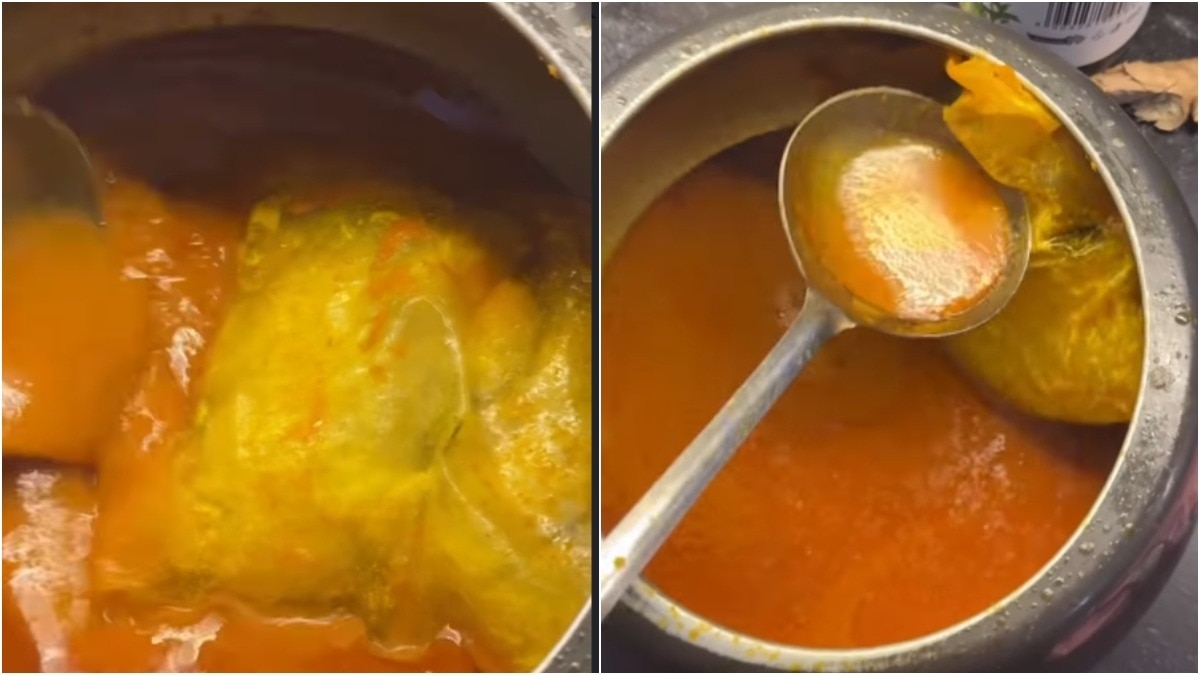
The internet is finding humor in an accidental culinary mishap after a video surfaced showing a chicken being cooked – still sealed in its plastic packaging. The incident, initially shared on social media, has sparked a wave of reactions, ranging from amusement to disbelief, highlighting the potential for everyday errors to go viral in the digital age. Whereas seemingly a simple mistake, the incident raises questions about communication in domestic work and the often-unseen realities of household management.
The video, originally posted on Instagram by Saurav Devrani, quickly gained traction across multiple platforms. It depicts a pan of simmering curry, appearing normal at first glance. Yet, a closer look reveals the chicken remains encased in its original store packaging, a plastic wrap cocoon amidst the gravy. The visual absurdity has resonated with viewers, prompting a flood of comments and shares. The incident underscores how easily misunderstandings can occur, even with seemingly straightforward tasks, and the power of social media to amplify such moments.
A Simple Mix-Up, A Viral Moment
According to Devrani, the error stemmed from a common practice in his household: storing frozen chicken in the refrigerator. He explained that he hadn’t specifically instructed the house help to remove the packaging before cooking. This lack of explicit direction, combined with the assumption that the chicken was ready for preparation, led to the accidental inclusion of the plastic wrap in the cooking process. The incident serves as a reminder of the importance of clear communication, particularly in situations involving routine tasks.
Devrani’s initial post included a playful question – “Should I fire my maid?” – which further fueled the online conversation. The question, intended as a lighthearted observation, quickly became a focal point for commentary, with users offering a range of opinions and humorous suggestions. The incident highlights the evolving dynamics between employers and domestic workers, and the often-complex emotions surrounding such relationships.
The Internet Reacts: From Gopi Ben to Sous Vide
The comments section beneath Devrani’s post transformed into a virtual comedy club. Many users drew comparisons to “Gopi Ben,” a famously accident-prone character from popular Indian television, suggesting a similar level of comedic misfortune. Others joked that the incident resembled a “first internship” experience, implying a lack of culinary training. Some commenters even attempted to find a positive spin, suggesting the maid was “protecting the nutrients at all costs” or playfully applauding an accidental embrace of the sous vide cooking technique, a method involving vacuum-sealing food before cooking it in a water bath.
The range of reactions demonstrates the power of humor to diffuse potentially awkward situations. While the incident clearly involved a mistake, the overwhelming response was one of amusement rather than condemnation. This suggests a broader cultural acceptance of human error and a willingness to find levity in everyday mishaps. The incident also sparked a discussion about the pressures faced by domestic workers and the importance of creating a supportive and communicative work environment.
Food Safety Concerns and Plastic in Cooking
Beyond the humor, the incident raises legitimate concerns about food safety. Cooking food in plastic packaging can lead to the leaching of harmful chemicals into the food, potentially posing health risks. According to the Food and Drug Administration (FDA), not all plastics are created equal, and some are designed to withstand higher temperatures than others. The FDA provides guidance on the safe use of plastic food containers, emphasizing the importance of using containers labeled as “microwave-safe” or “oven-safe” when heating food.
Heating plastic, particularly when it’s not designed for that purpose, can release chemicals like bisphenol A (BPA) and phthalates into food. The American Cancer Society notes that BPA has been linked to potential health problems, including hormonal disruption. While the amount of chemical leaching may be modest in a single instance, repeated exposure over time could pose a risk. The incident serves as a stark reminder of the importance of carefully reading food packaging instructions and avoiding the use of non-food-grade plastics for cooking.
The Risks of Cooking with Plastic
- Chemical Leaching: Heating plastic can cause harmful chemicals to migrate into food.
- Potential Health Effects: Exposure to chemicals like BPA and phthalates may have adverse health consequences.
- Food Contamination: Plasticizers and other additives can alter the taste and quality of food.
Communication and Expectations in Domestic Employment
The viral video also highlights the often-unspoken dynamics within employer-employee relationships, particularly in domestic work. Clear communication is paramount to ensuring tasks are completed safely and effectively. The incident underscores the importance of providing specific instructions, even for seemingly simple tasks.
Experts in labor relations emphasize the need for employers to establish clear expectations and provide adequate training to domestic workers. This includes outlining specific procedures for food preparation, cleaning, and other household chores. Regular check-ins and open communication can help prevent misunderstandings and ensure that both parties are on the same page. Fostering a respectful and supportive work environment can encourage employees to ask questions and seek clarification when needed.
The incident also touches upon the broader issue of valuing domestic labor. Domestic workers often perform essential tasks that allow others to pursue their careers and maintain their lifestyles. Recognizing the importance of their contributions and treating them with dignity and respect is crucial for building positive and productive working relationships.
Looking Ahead: Preventing Similar Incidents
While the packaged chicken curry incident provided a source of amusement for many, it also serves as a valuable lesson. Moving forward, both employers and domestic workers can take steps to prevent similar mishaps. Employers should prioritize clear communication, providing specific instructions and ensuring that employees understand expectations. Domestic workers should feel empowered to ask questions and seek clarification when unsure about a task.
raising awareness about the risks of cooking with plastic can help prevent accidental exposure to harmful chemicals. Promoting food safety education and encouraging the use of appropriate food storage and cooking containers are essential steps in protecting public health. The incident serves as a reminder that even seemingly minor errors can have significant consequences, and that vigilance and communication are key to ensuring a safe and healthy environment for everyone.
As the video continues to circulate online, it serves as a lighthearted yet cautionary tale, prompting reflection on the importance of clear communication, food safety, and the often-overlooked contributions of domestic workers. The next step will be to see if this incident sparks a wider conversation about best practices in household management and the need for greater awareness of potential risks in the kitchen.
What are your thoughts on this viral video? Share your comments below and let us grasp how you ensure clear communication in your household.
Keep reading