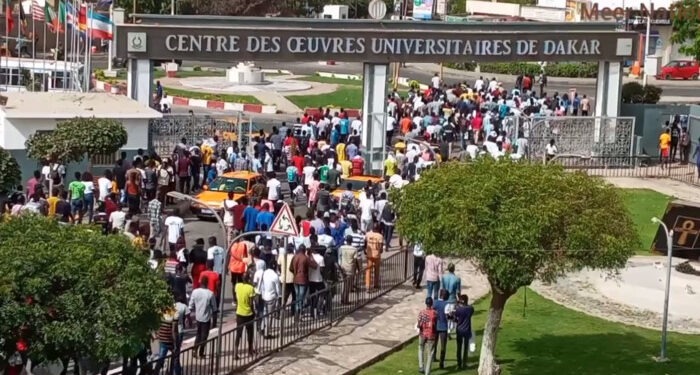
Dakar, Senegal – A deepening crisis is unfolding within Senegal’s higher education system as the Collectif des Amicales, a coalition of student organizations, denounces what it calls unilateral decisions by authorities and demands a return to meaningful dialogue. The escalating tensions, marked by student protests and suspensions of student groups, highlight a growing rift between the government and the academic community. The situation is further complicated by ongoing investigations into the death of a student, Abdoulaye Ba, adding to the sense of urgency and unrest.
The Collectif des Amicales, which presents itself as the supreme representative body for students, has issued a strong condemnation of the government’s approach to university governance. According to a recent communiqué, the collective accuses authorities of imposing decisions without consulting student representatives, a practice they claim undermines the principles of participatory decision-making. This lack of consultation, they argue, has fueled distrust and exacerbated the current crisis. The core of the dispute centers on reforms within the university system and the role of security forces on campus.
The current unrest builds on existing tensions. In February 2026, Radio France Internationale (RFI) reported on the suspension of student organizations at Cheikh Anta Diop University, signaling a hardening stance by the authorities. RFI’s reporting details the ongoing struggle between students and the government, a struggle that has now reached a critical point. The Collectif des Amicales is demanding the immediate lifting of these suspensions, arguing that they are illegal and subject to appeal before the Supreme Court.
Demands for Dialogue and Accountability
Beyond the lifting of suspensions, the Collectif des Amicales has outlined a series of demands aimed at addressing the systemic issues contributing to the crisis. A key demand is the reopening of broader discussions – “assises” – to facilitate frank and open conversations about university reforms. Students are seeking a seat at the table, insisting that any changes to the higher education system must be made in collaboration with those directly affected.
The collective is also calling for the authorities to provide support for students injured during recent protests and to fully reopen all campus facilities. Specifically, they highlight the exclusion of two pavilions that previously housed over 2,000 students from the phased reopening of campuses, a move they decry as discriminatory and a violation of equal treatment. This partial reopening, they argue, creates an uneven playing field and further marginalizes a significant portion of the student population.
Adding to the gravity of the situation, the Collectif des Amicales is closely monitoring the investigations into the death of Abdoulaye Ba. While details surrounding his death remain under investigation, the collective insists on a thorough and transparent inquiry to ensure accountability. The circumstances surrounding Ba’s death have become a focal point of student anger and a symbol of the broader issues plaguing the university system.
A Call for Restraint and a Rejection of Imposed Solutions
Despite their strong stance, the Collectif des Amicales maintains its commitment to dialogue. However, they are urging students to await an official communiqué from the collective before returning to campus, a move intended to ensure a coordinated response and prevent further escalation. They emphasize their willingness to engage in discussions with the authorities but firmly reject any attempt to impose a “single way of thinking,” signaling a determination to defend academic freedom and student autonomy.
The collective’s position reflects a broader concern about the direction of university governance in Senegal. La Nouvelle Tribune reported in December 2025 that the amicales were already outlining their demands, highlighting the long-simmering tensions. The article details the student representatives’ belief that police intervention on campus represents a breach of previous agreements with authorities.
The Role of Security Forces on Campus
The presence of security forces on university campuses remains a contentious issue. The Collectif des Amicales vehemently opposes the deployment of police on campus, viewing it as an infringement on academic freedom and a hostile act towards students. They argue that security forces exacerbate tensions and create an environment of fear, hindering open dialogue and critical thinking. This concern is echoed in reports from RTS.sn, which highlights the collective’s denunciation of unilateral decisions and calls for sincere discussions.
The government, however, maintains that the presence of security forces is necessary to maintain order and prevent disruptions to academic activities. This divergence in perspectives underscores the fundamental challenge facing both sides: finding a way to balance security concerns with the principles of academic freedom and student autonomy.
Looking Ahead: A Precarious Situation
The situation at Senegalese universities remains precarious. The Collectif des Amicales’ demands represent a significant challenge to the current approach to university governance. The government’s response in the coming days will be crucial in determining whether the crisis can be resolved through dialogue or will escalate further. The outcome will have far-reaching implications for the future of higher education in Senegal.
As of February 23, 2026, no official response has been issued by the Senegalese government to the Collectif des Amicales’ demands. Students are awaiting the collective’s official communiqué regarding a return to campus. The next key development is expected to be a statement from the collective outlining its next steps and potentially announcing a timeline for further action. The world-today-journal.com will continue to monitor the situation closely and provide updates as they become available.
What are your thoughts on the situation in Senegal? Share your comments below and let us know what you think should be done to resolve this crisis.