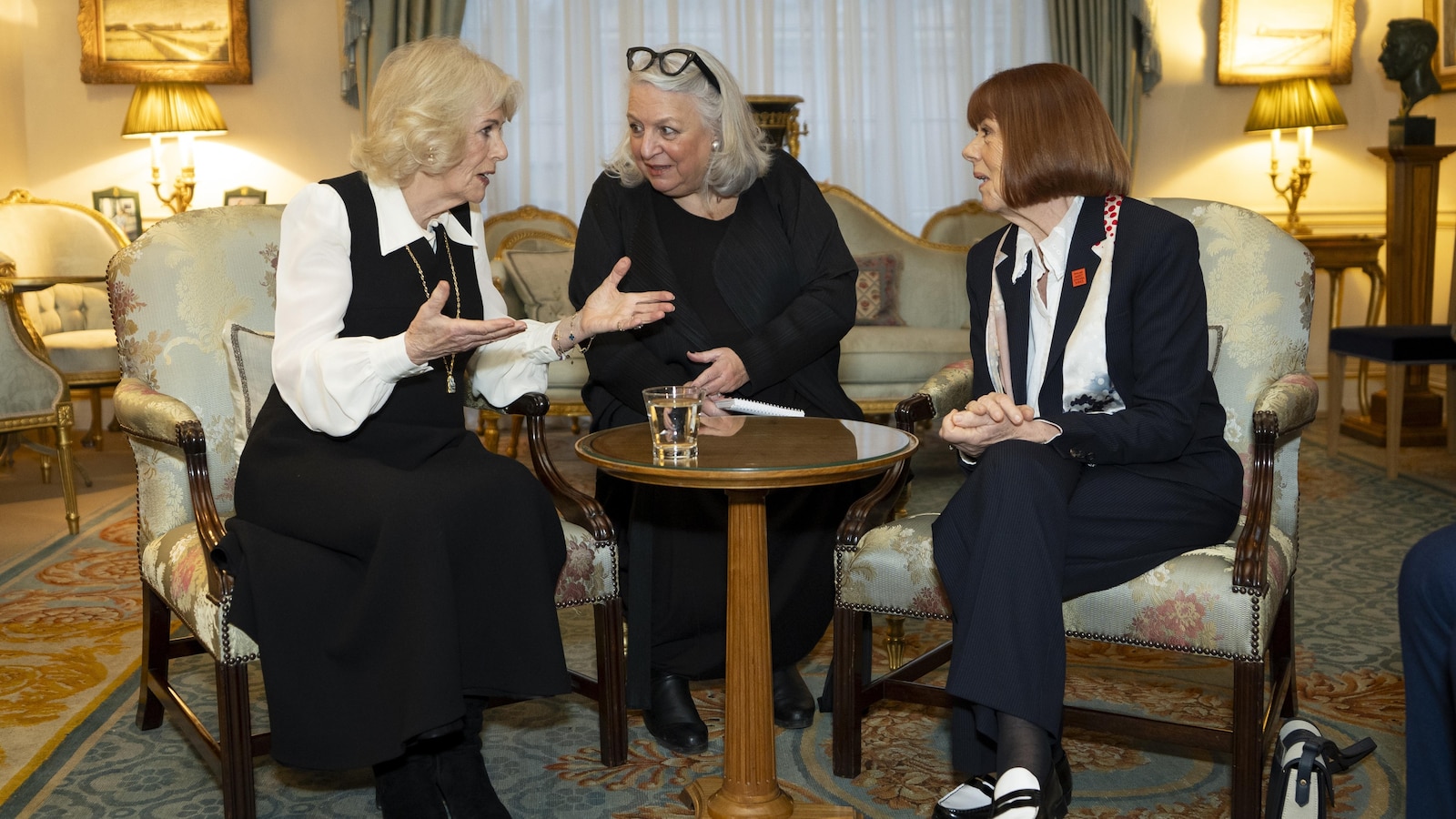
London – In a meeting laden with symbolism, Queen Camilla expressed profound impact after reading the memoir of Gisèle Pelicot, a French survivor of decades-long sexual abuse. The meeting, held at Clarence House on Monday, February 23, 2026, underscores a growing global focus on supporting survivors and challenging the pervasive culture of shame surrounding sexual violence. Pelicot’s story, chronicled in her book “A Hymn to Life: Shame Has to Change Sides,” has resonated internationally, sparking conversations about accountability and the long road to healing.
The Queen, who has consistently championed causes related to domestic violence and sexual abuse, told Pelicot she was “speechless” after finishing the memoir in just two days. This personal acknowledgment from a prominent figure like Queen Camilla carries significant weight, offering a powerful message of validation to survivors worldwide. Pelicot’s journey, from enduring horrific abuse to publicly confronting her attackers, has made her an emblem of resilience and a catalyst for change in how societies address sexual violence.
The meeting took place as Pelicot concludes a United Kingdom tour promoting her book, which was launched to a sold-out crowd of over 2,000 people at London’s Royal Festival Hall on Friday, February 21, 2026. The launch event featured readings from acclaimed actresses Kate Winslet, Dame Kristin Scott Thomas, and Juliet Stevenson, further amplifying Pelicot’s message and reaching a wider audience. The Queen and Pelicot initially exchanged greetings in French, with Camilla playfully acknowledging her language skills had become “a little rusty” after 60 years, before continuing the conversation through an interpreter.
A Landmark Case and a Call for Accountability
Gisèle Pelicot’s case gained international attention when she courageously waived her right to anonymity and pursued legal action against her former husband, Dominique Pelicot, and dozens of other men who subjected her to years of horrific abuse. Dominique Pelicot was ultimately sentenced to 20 years in prison for drugging and raping his wife, and for enabling others to do the same while she was unconscious. The landmark trial in Avignon, France, which concluded in December 2024, resulted in convictions for 50 men accused of rape or sexual offenses. This unprecedented outcome sent a clear message that perpetrators of sexual violence will be held accountable.
The scale and duration of the abuse Pelicot endured – spanning nearly a decade – shocked the public and highlighted the systemic failures that often allow such crimes to persist. Her decision to speak out, and to frame the narrative around the shame belonging to the abusers rather than the victim, has been widely praised as a pivotal moment in the fight against sexual violence. Pelicot’s memoir details not only the horrific acts she suffered but likewise the profound psychological impact of the abuse and the arduous journey towards reclaiming her life.
Royal Support and a Fraught Context
Queen Camilla’s public support for Pelicot comes at a particularly sensitive time for the British monarchy. The royal family continues to grapple with the fallout from the scandal involving Prince Andrew and his association with convicted sex offender Jeffrey Epstein. This ongoing scrutiny has raised critical questions about accountability, privilege, and the handling of allegations of sexual abuse within institutions. Against this backdrop, Camilla’s embrace of Pelicot is seen by many as a deliberate effort to demonstrate moral clarity and solidarity with survivors.
Last year, Queen Camilla sent Pelicot a private letter commending her “extraordinary dignity and courage,” a gesture that Pelicot has described as deeply moving. She keeps the letter framed in her office as a constant reminder of the support she has received. The Queen’s willingness to engage directly with Pelicot, and to publicly acknowledge the impact of her story, signals a commitment to amplifying the voices of survivors and challenging the stigma surrounding sexual violence.
The Power of Speaking Out
During their meeting, Pelicot shared with Queen Camilla the incredible outpouring of support she has received since coming forward with her story. The Queen responded by emphasizing the strength and resilience Pelicot has demonstrated, stating, “You have so much support.” This exchange underscores the importance of creating safe spaces for survivors to share their experiences and to receive the validation and support they deserve. Pelicot’s story has inspired countless individuals to break their silence and seek help, contributing to a broader cultural shift towards greater awareness, and accountability.
The impact of Pelicot’s memoir extends beyond the legal realm. It has sparked important conversations about the societal factors that contribute to sexual violence, including gender inequality, toxic masculinity, and the normalization of harmful behaviors. By challenging the traditional narratives surrounding shame and victim-blaming, Pelicot’s story is helping to create a more empathetic and just society.
Looking Ahead: Continued Advocacy and Support
The meeting between Queen Camilla and Gisèle Pelicot represents a significant moment in the ongoing fight against sexual violence. It highlights the power of individual courage, the importance of institutional support, and the require for continued advocacy to create a world where survivors are empowered and perpetrators are held accountable. Pelicot’s work is far from over; she continues to travel and speak publicly, sharing her story and advocating for systemic change.
The focus now shifts to ensuring that the momentum generated by Pelicot’s case and her memoir translates into concrete action. This includes strengthening legal protections for survivors, increasing access to support services, and challenging the cultural norms that perpetuate sexual violence. Organizations dedicated to supporting survivors, such as RAINN (Rape, Abuse & Incest National Network), play a crucial role in providing resources and advocacy for those affected by sexual violence.
As Pelicot continues her advocacy work, the support of high-profile figures like Queen Camilla will undoubtedly amplify her message and inspire others to join the fight for a more just and equitable world. The conversation surrounding sexual violence is evolving, and Pelicot’s story serves as a powerful reminder that silence only protects the perpetrators.
The next scheduled event related to Pelicot’s advocacy is a planned address to the European Parliament in Brussels on March 15, 2026, where she is expected to discuss the need for greater international cooperation in combating sexual violence. We encourage readers to share this article and engage in respectful dialogue about this critical issue.
Related reading