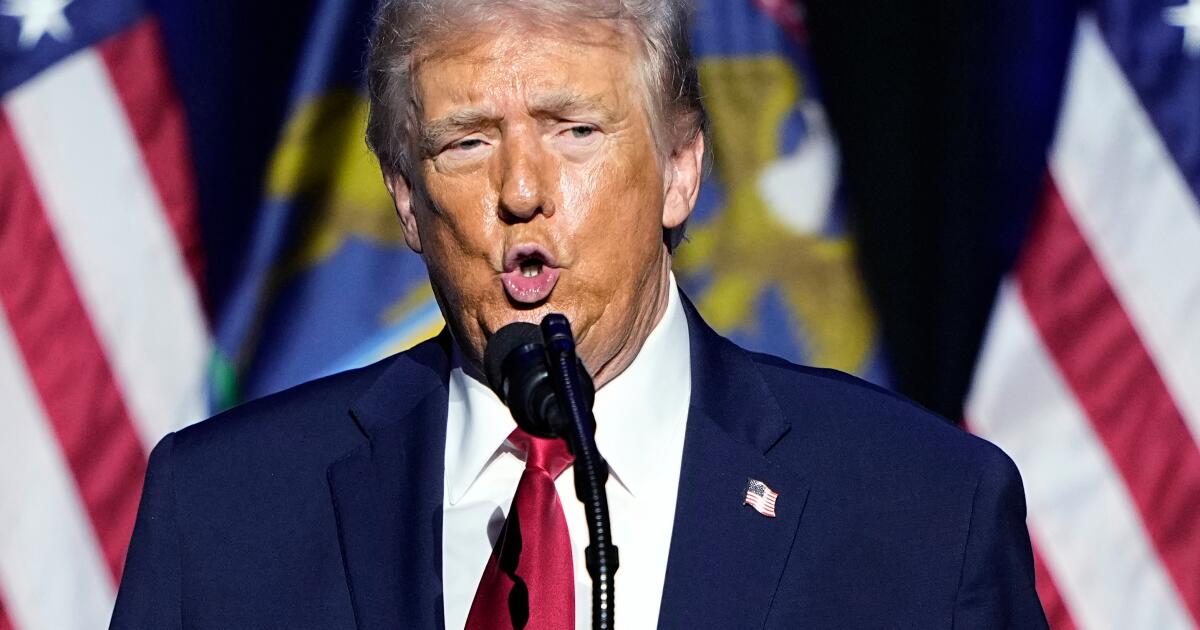
Washington D.C. – President Donald Trump is scheduled to deliver his State of the Union address tonight, February 24, 2026, before a joint session of Congress. The speech, set to begin at 9 p.m. ET, comes at a pivotal moment for the administration, as the nation grapples with economic uncertainties, evolving geopolitical tensions and ongoing debates surrounding immigration policy. This address offers President Trump a key opportunity to outline his vision for the year ahead and address concerns raised by both lawmakers and the American public. The speech will be streamed live on the White House website and broadcast on major television and cable networks.
The address arrives following a recent Supreme Court defeat for the President regarding his tariff policies, a cornerstone of his second term. New global tariffs of 10% went into effect today, though at a lower rate than initially proposed over the weekend. The economic climate, coupled with rising tensions with Iran, forms a complex backdrop for the President’s remarks. Recent polling data indicates increasing public skepticism regarding the administration’s priorities and the effectiveness of its policies, adding further weight to the significance of tonight’s speech. The President is expected to focus heavily on economic issues, particularly affordability, and to reiterate his commitment to securing the border and addressing illegal immigration.
How to Watch the State of the Union Address
For those wishing to follow the President’s address live, several options are available. Major broadcast networks and cable news channels will carry the speech in its entirety. Viewers can too tune in to C-SPAN, a public affairs network dedicated to providing coverage of government proceedings. C-SPAN’s website will offer a live stream of the event. The White House will provide a live stream on its official website: https://www.whitehouse.gov/live/. This multi-platform availability ensures broad access to the President’s address for citizens across the country and around the globe.
Key Themes and Anticipated Focus Areas
President Trump is anticipated to dedicate a significant portion of his speech to outlining his administration’s approach to immigration. He is expected to emphasize his commitment to border security and to detail the ongoing efforts to enforce immigration laws. This focus comes amid a contentious debate over funding for the Department of Homeland Security, fueled by concerns raised by lawmakers regarding the tactics employed by federal immigration agents following a fatal shooting involving U.S. Citizens in Minneapolis. The administration’s aggressive deportation campaign, which has involved increased detentions and, at times, the deployment of troops to American cities, has drawn criticism from various advocacy groups and political figures.
Beyond immigration, the President is also expected to address concerns surrounding government spending and to reiterate his pledge to eliminate what he deems “waste, fraud, and abuse.” Two White House videos released on Monday previewed this theme, highlighting the administration’s efforts to streamline government operations and reduce unnecessary expenditures. These efforts have, at times, targeted states with differing political alignments, such as California, as evidenced by a recent case involving allegations of fraud in healthcare hospice services. California Attorney General Rob Bonta recently investigated potential fraud within the state’s hospice system.
The economy will undoubtedly be a central topic of discussion. Despite the implementation of new tariffs, the President is expected to tout his administration’s economic achievements and to propose policies aimed at boosting economic growth and improving affordability for American families. However, this comes as voters express increasing doubts about the administration’s handling of the economy, according to recent CNN polling data. The President’s ability to articulate a compelling economic vision and to address concerns about rising costs will be crucial in shaping public perception.
Democratic Response and Boycott
In a show of opposition, at least a dozen Democratic lawmakers have announced their intention to boycott the State of the Union address. Instead, they will participate in a counterprogram held at the National Mall. Virginia Governor Abigail Spanberger will deliver the official Democratic response to the President’s speech in English, while U.S. Senator Alex Padilla of California will provide the response in Spanish. Senator Padilla’s remarks will be live-streamed on YouTube. This coordinated response underscores the deep partisan divisions that characterize the current political landscape and highlights the Democrats’ commitment to presenting an alternative vision for the country.
The U.S. Women’s Olympic hockey team has also declined an invitation to attend the speech, adding another layer to the political symbolism surrounding the event. This decision reflects a growing trend of athletes and public figures using their platforms to express their political views and to distance themselves from policies they oppose.
The State of the Union address remains a cornerstone of American political tradition, providing the President with a unique platform to address the nation and to outline his legislative agenda. Tonight’s speech is particularly significant given the challenges facing the country and the heightened political tensions that permeate the current environment. The address will be closely watched by lawmakers, political analysts, and citizens alike, as they seek to glean insights into the President’s priorities and his vision for the future.
The ongoing standoff over funding for the Department of Homeland Security is a critical issue that will likely be addressed during the speech. The concerns raised by lawmakers regarding the tactics used by federal immigration agents, particularly in the wake of the Minneapolis shooting, have created a significant obstacle to reaching a bipartisan agreement on funding levels. The President’s ability to address these concerns and to forge a compromise with Democrats will be essential in ensuring the continued operation of the Department and maintaining border security.
the President’s remarks on tariffs and trade policy will be closely scrutinized. The recent Supreme Court decision striking down a key element of his tariff strategy represents a setback for the administration and raises questions about the future of its trade agenda. The President is expected to defend his approach to trade and to outline his plans for negotiating new trade agreements that he believes will benefit American workers and businesses. The implementation of the 10% global tariffs today will be a key point of discussion.
As President Trump prepares to address the nation, the stakes are high. The speech represents an opportunity to reset the narrative, to address concerns, and to articulate a clear vision for the future. The response from Congress and the American public will undoubtedly shape the political landscape in the months to come.
Looking ahead, the debate over the Department of Homeland Security funding is expected to continue in the coming weeks. Lawmakers will need to find a way to bridge their differences and reach a compromise that addresses both border security concerns and the need for accountability and transparency in immigration enforcement. The outcome of this debate will have significant implications for the administration’s ability to implement its immigration policies and for the future of border security in the United States.
Stay tuned to World Today Journal for continued coverage of the State of the Union address and its aftermath. We will provide in-depth analysis of the President’s remarks, as well as updates on the ongoing debates in Congress. Share your thoughts and reactions to the speech in the comments below.
Worth a look
- How Mass Shootings Quietly Cause a Spike in Traffic Deaths Across America
- Gulf Stock Markets React to US-Iran De-escalation Hopes and Strait of Hormuz Updates
- Trump Pushes SAVE Act to Mandate Voter ID and Proof of Citizenship (newsdirectory3.com)
- Tariff vs. Price Floor: What Trump's New Solar Rule Does (daybreakwire.com)