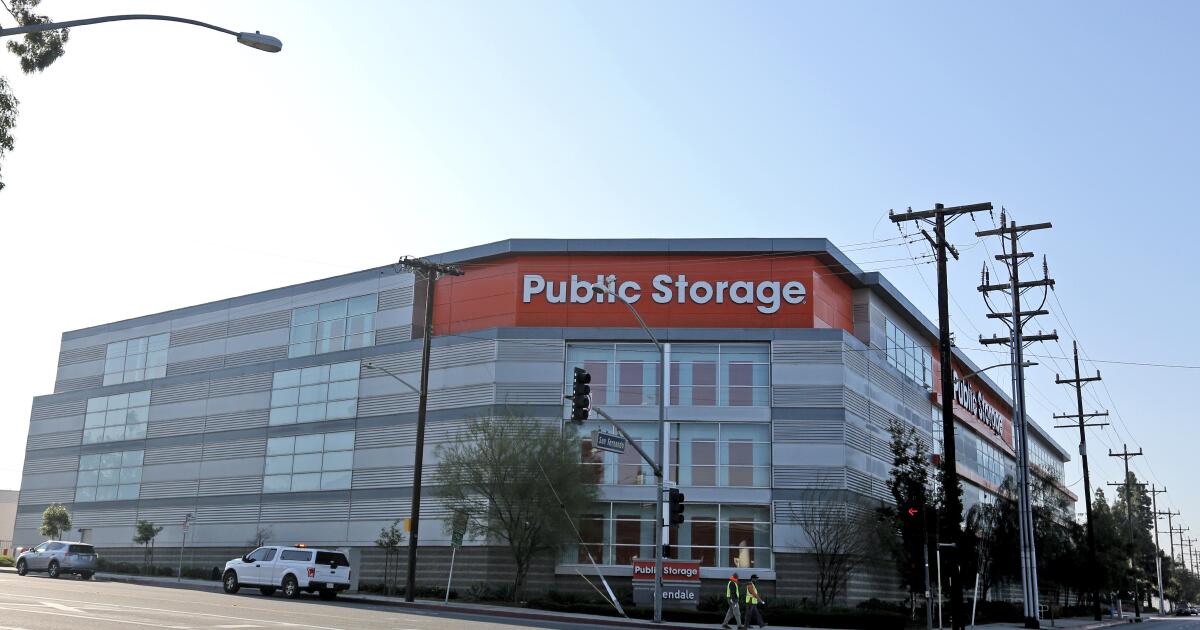
FRISCO, TEXAS – Public Storage, the largest self-storage company in the United States, is relocating its corporate headquarters from Glendale, California, to Frisco, Texas, a move signaling a shift in the company’s strategic direction and adding to a growing trend of businesses leaving the Golden State. The decision, announced ahead of an earnings call this month, marks a significant change for the company, which has been based in Southern California since its founding in 1972 in El Cajon.
The move isn’t framed as an outright rejection of California, but rather as a strategic decision to capitalize on the “depth of talent and innovation” available in the Dallas-Fort Worth metroplex, according to a company statement. Incoming Chief Executive H. Thomas Boyle, currently the company’s chief financial and investment officer, explained during a fourth-quarter earnings call that the company has maintained a presence in both Glendale and Dallas for some time, with recent corporate job openings increasingly filled by candidates in Texas. “It’s about finding the right talent across the country and building the team going forward, and we look forward to strong leadership in both offices,” Boyle said.
A Broader Exodus from California?
Public Storage’s decision comes amid a noticeable trend of companies relocating from California to Texas, driven by factors such as lower taxes, a more business-friendly regulatory environment, and a lower cost of living. While the company emphasizes a talent-focused rationale, the move coincides with recent legislative changes in California impacting the self-storage industry. Specifically, Senate Bill 709, which took effect at the start of the year, initially aimed to impose price caps on California’s self-storage facilities. The bill was ultimately scaled back to a transparency law requiring disclosures of rent increases in rental agreements. The California Self Storage Assn., of which Public Storage is a primary funder, actively lobbied against the original, more restrictive version of the bill.
Experts caution against interpreting these corporate departures as a sign of California’s economic decline. According to reporting by the Los Angeles Times, economists suggest these moves represent adjustments within California’s massive $4.1-trillion economy, rather than a systemic collapse. However, the cumulative effect of these relocations is undeniable.
Recent Corporate Moves to Texas
Public Storage is not alone in its decision to establish a significant presence in Texas. Several other prominent companies have recently announced similar moves. Last year, John Paul Mitchell Systems, a hair care company, relocated its headquarters from Southern California to Wilmer, Texas. The green energy company GAF followed suit, moving from San José, California, to Georgetown, Texas. These moves highlight Texas’s growing appeal as a business destination.
The trend extends beyond these recent examples. In 2024, Chevron announced plans to move its headquarters from San Ramon, California, to Houston, Texas, citing years of disagreements with California politicians over climate and energy policies. Elon Musk’s SpaceX and X (formerly Twitter) also relocated their headquarters to Texas in 2024, reportedly influenced by a new California law prohibiting schools from mandating parental notification regarding student gender identity changes. Tesla, in 2021, had already shifted its headquarters from Palo Alto, California, to Austin, Texas. Even earlier, in 2019, financial services firm Charles Schwab moved from San Francisco to Westlake, Texas.
The Billionaire Factor
The movement isn’t limited to corporations. Several high-profile billionaires have also been distancing themselves from California. Oracle founder Larry Ellison and Palantir founder Peter Thiel are among those who have established significant residences and business interests outside of the state. This trend is further fueled by ongoing discussions surrounding a proposed one-time 5% tax on the total wealth of California billionaires, with a labor-backed coalition currently gathering signatures to place the measure on the November ballot.
Public Storage’s Footprint and Future Plans
Public Storage operates more than 3,500 self-storage facilities across 40 U.S. States and employs over 5,000 people. The company’s decision to establish a stronger foothold in Texas reflects a broader strategy of optimizing its operations and attracting top talent. The company’s financial performance remains strong, with consistent revenue growth and a significant market share in the self-storage industry. The move to Frisco, a rapidly growing suburb of Dallas, is expected to provide access to a skilled workforce and a favorable business climate.
Frisco, Texas, has experienced substantial population growth in recent years, attracting families and businesses alike. The city boasts a strong economy, a highly-rated school system, and a high quality of life. The availability of skilled labor and a pro-business environment make it an attractive location for companies seeking to expand or relocate.
Impact on California’s Economy
While economists downplay the idea of a complete economic collapse in California, the outflow of companies and high-net-worth individuals raises concerns about the state’s long-term economic competitiveness. California faces challenges related to high housing costs, a complex regulatory environment, and a relatively high tax burden. Addressing these issues will be crucial to retaining and attracting businesses and residents in the future.
The state government is actively working to address some of these challenges, with initiatives aimed at streamlining regulations, increasing housing affordability, and investing in infrastructure. However, the pace of change may not be sufficient to offset the factors driving companies to seek opportunities elsewhere.
What’s Next for Public Storage and California?
Public Storage’s headquarters relocation is expected to be completed in phases over the coming months. The company has not announced any immediate plans to reduce its presence in California, but it is likely to focus its future growth and investment in Texas. The company’s leadership has emphasized its commitment to maintaining a strong presence in both states.
California lawmakers will continue to grapple with the challenges of maintaining a competitive business environment. The debate over taxes, regulations, and housing affordability is likely to intensify in the coming years. The state’s economic future will depend on its ability to adapt to changing conditions and address the concerns of businesses and residents.
The next key date for Public Storage is its first-quarter earnings call, scheduled for May 2026, where further details regarding the relocation and its impact on the company’s financial performance are expected to be discussed. Investors and industry analysts will be closely monitoring the company’s progress and assessing the long-term implications of its strategic shift.
What are your thoughts on the corporate exodus from California? Share your comments below and let us grasp how you reckon this trend will impact the future of business and innovation.