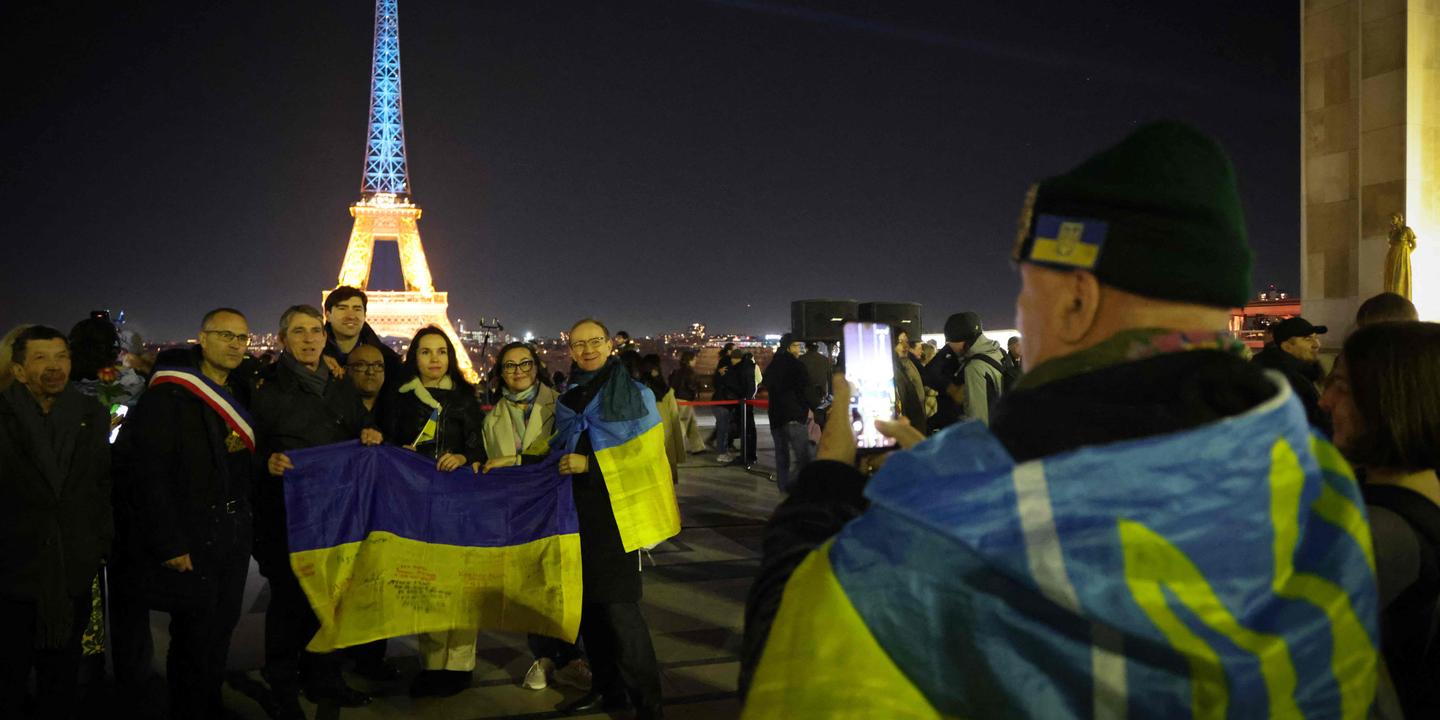
Four years after Russia launched its full-scale invasion of Ukraine, the international community continues to grapple with the conflict’s far-reaching consequences. On Tuesday, February 24, 2026, the United Nations General Assembly adopted a resolution calling for an “immediate” and “unconditional” ceasefire between Moscow and Kyiv, a move signaling continued, though evolving, global support for Ukraine’s sovereignty. The vote, however, also highlighted growing transatlantic divergences, particularly regarding the role of the United States, as Washington opted for abstention.
The resolution passed with 107 votes in favor, 12 against, and 51 abstentions, underscoring a complex geopolitical landscape. While a clear majority of member states reaffirmed their commitment to Ukraine’s territorial integrity, the abstentions – including those of the United States and China – represent a significant shift from previous votes and raise questions about the long-term cohesion of international efforts to address the crisis. The call for a ceasefire reflects a growing urgency to de-escalate the conflict, which has caused immense human suffering and destabilized the region. This latest action by the UN General Assembly comes after years of debate and numerous sessions dedicated to the ongoing situation in Ukraine, beginning with the initial emergency session in 2022.
A Shifting US Position and Diplomatic Maneuvering
The United States’ decision to abstain from the vote marks a departure from its previous positions and signals a recalibration of its approach to the conflict. Last year, Washington surprised observers by opposing a similar resolution position forward by Kyiv. This year’s abstention, however, appears to be a more nuanced strategy, aiming to maintain political support for Ukraine while simultaneously creating space for ongoing negotiations with Moscow. According to statements released by the US delegation, Washington sought to remove certain paragraphs from the draft resolution that reaffirmed Ukraine’s territorial integrity and the necessity for peace “consistent with international law, including the UN Charter,” fearing these provisions could hinder diplomatic progress. UN News reported that US Deputy Ambassador Tammy Bruce justified the abstention, stating that while the US welcomes the call for an immediate ceasefire, the resolution contains formulations that “risk distracting from ongoing negotiations.”
This shift in US policy coincides with the arrival of President Donald Trump in the White House, raising speculation about a potential realignment of American foreign policy. The previous administration’s opposition to similar resolutions, coupled with the subsequent adoption of a resolution at the UN Security Council – with Russian support – that called for a rapid peace without explicitly mentioning Ukraine’s territorial integrity, had already strained relations with European allies. The current abstention, while less confrontational, continues to signal a willingness to explore alternative diplomatic avenues, even if they diverge from the preferences of some key partners.
European Resolve Remains Firm
Despite the changing dynamics within the transatlantic alliance, European leaders have reaffirmed their unwavering support for Kyiv. The leaders of the G7 nations – Germany, Canada, the United States, France, Italy, Japan, and the United Kingdom – issued a joint statement on Tuesday affirming their “unwavering support for Ukraine in the defense of its territorial integrity and its right to exist.” This commitment underscores the continued determination of European powers to stand with Ukraine in the face of Russian aggression.
The resolution adopted by the General Assembly explicitly reiterates the “firm attachment to the sovereignty, independence, unity and territorial integrity of Ukraine within its internationally recognized borders.” It also calls for a “complete and unconditional” ceasefire, a “just and sustainable peace consistent with international law,” and the full exchange of prisoners of war. This comprehensive approach reflects the broad international consensus on the core principles that should guide a resolution to the conflict. The vote demonstrates a continued international focus on upholding the principles of national sovereignty and territorial integrity, cornerstones of the international order.
The Historical Context of UN Resolutions on Ukraine
The current resolution builds upon a series of previous UN General Assembly actions addressing the situation in Ukraine. The initial emergency session was convened in 2022 following Russia’s large-scale invasion. Since then, the Assembly has held over twenty plenary meetings, demonstrating the sustained international attention to the conflict. Resolution ES-11/8, adopted on February 24, 2025, known as “The Path to Peace,” received 93 votes in favor, 8 against, and 73 abstentions, with 19 non-voting members. This earlier resolution, while demonstrating significant support for Ukraine, also revealed divisions within the international community. The current vote, with its altered distribution of support, further illustrates the evolving dynamics at play.
The ongoing sessions of the General Assembly underscore the complexity of addressing the conflict and the challenges of forging a unified international response. The repeated adjournments and reconvenings of the eleventh emergency special session highlight the protracted nature of the crisis and the difficulty of achieving a lasting resolution. The sheer number of meetings dedicated to the issue demonstrates the international community’s commitment to finding a peaceful solution, even as the conflict continues to rage.
Implications for Future Negotiations
The adoption of this resolution, despite the abstentions, sends a clear message to Russia regarding the international community’s continued support for Ukraine. However, the US abstention and the broader pattern of shifting votes suggest that the path to a negotiated settlement will be fraught with challenges. The differing priorities of key stakeholders – including the United States, European nations, and Russia – will require careful diplomacy and a willingness to compromise.
The resolution’s emphasis on a ceasefire and a “just and sustainable peace” provides a framework for future negotiations, but the interpretation of these terms remains open to debate. Russia has consistently maintained that its actions are aimed at protecting its own security interests and the rights of Russian-speaking populations in Ukraine, while Ukraine and its allies insist on the restoration of its territorial integrity and sovereignty. Bridging these fundamental differences will require a sustained and concerted diplomatic effort.
The abstention by the United States, while potentially creating space for negotiations, also raises concerns among some European allies who fear that Washington may be signaling a weakening of its commitment to Ukraine. Maintaining transatlantic unity will be crucial in ensuring that any future settlement is both durable and consistent with the principles of international law. The coming months will be critical in determining whether the international community can overcome these challenges and forge a path towards a lasting peace in Ukraine.
As the conflict enters its fifth year, the human cost continues to mount. The resolution’s call for the exchange of prisoners of war underscores the urgent need to address the plight of those affected by the conflict. The international community must also prioritize humanitarian assistance and support for Ukraine’s reconstruction efforts. The long-term stability of the region depends on addressing the root causes of the conflict and building a future based on peace, justice, and respect for international law.
The next key development to watch will be the upcoming meeting of the UN Security Council, scheduled for March 15, 2026, where the situation in Ukraine will be further discussed. This meeting will provide an opportunity for member states to assess the implementation of the General Assembly resolution and to explore further diplomatic initiatives.
What are your thoughts on the UN resolution and the evolving international response to the conflict in Ukraine? Share your comments below and join the conversation.