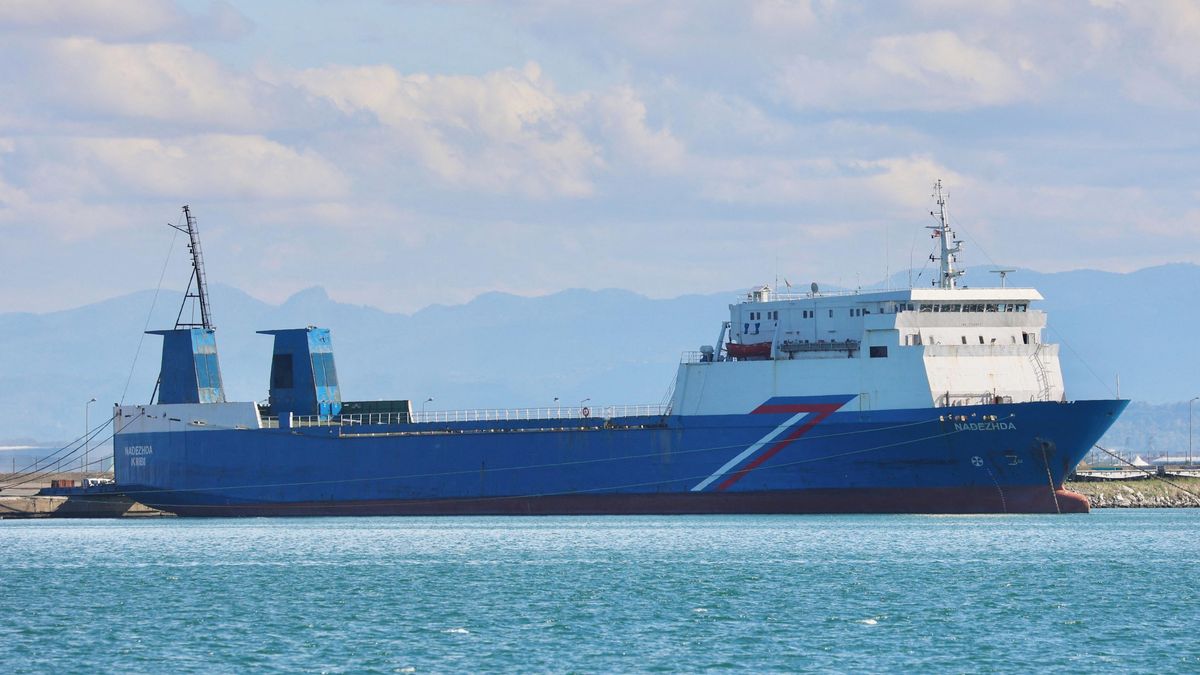
Maritime transport and commercial shipping operations in the Black Sea face renewed disruptions following a series of strategic drone strikes and naval engagements targeting regional infrastructure and cargo vessels.
The situation intensified after Ukrainian forces executed precision strikes against multiple strategic military and logistical objectives, including transport vessels and port facilities in the region. Reports from Ukrainian military observers and regional news outlets indicate that these operations have systematically targeted naval assets, fuel depots, and transport vessels supporting regional supply chains, altering the operational calculus for commercial operators navigating Black Sea waters.
Strategic Impact on Black Sea Shipping Lanes
The Black Sea remains a vital artery for international trade, agricultural exports, and energy transit. However, recurring engagements have created an increasingly volatile environment for commercial cargo transport.
Military sources detailed coordinated operations targeting logistical hubs and transport assets, highlighting the growing effectiveness of asymmetric tactics in contested waters. These developments have forced commercial vessels to alter schedules or suspend specific routes to mitigate the risk of collateral damage or direct targeting amidst ongoing hostilities.
Evolution of Unmanned Tactics in Modern Conflict
The tactical deployment of unmanned aerial and naval systems has redefined contemporary naval warfare, a dynamic clearly visible in recent Black Sea operations. Military publications and tactical handbooks released by defense observers outline numerous distinct combat applications for first-person view (FPV) kamikaze drones and autonomous maritime systems, demonstrating their precision in neutralizing high-value targets.
Defense experts emphasize that these technologies allow operators to project force with pinpoint accuracy against fortified positions, bridges, and supply depots.
Regulatory and Economic Implications
Related reading