Unseasonably Warm Temperatures Trigger Early Pollen Surge in Switzerland
Switzerland is experiencing an early taste of spring, with temperatures soaring above 20 degrees Celsius this week. While many are enjoying the mild weather, this warmth is likewise triggering a significant increase in pollen levels, posing challenges for allergy sufferers. The unusually high temperatures for February are causing hazel and alder trees to bloom prematurely, releasing substantial amounts of pollen into the air.
The current conditions are being driven by a high-pressure system settling over the region. On Tuesday, temperatures exceeded 20°C across much of Switzerland, with Biasca, in the canton of Ticino, recording 22.8°C at 1:20 PM. Magadino/Cadenazzo also registered 22°C around the same time. This trend is expected to continue, with temperatures between 16 and 20°C forecast for the lowlands through Friday. Though, this pleasant weather comes with a caveat for those sensitive to pollen.
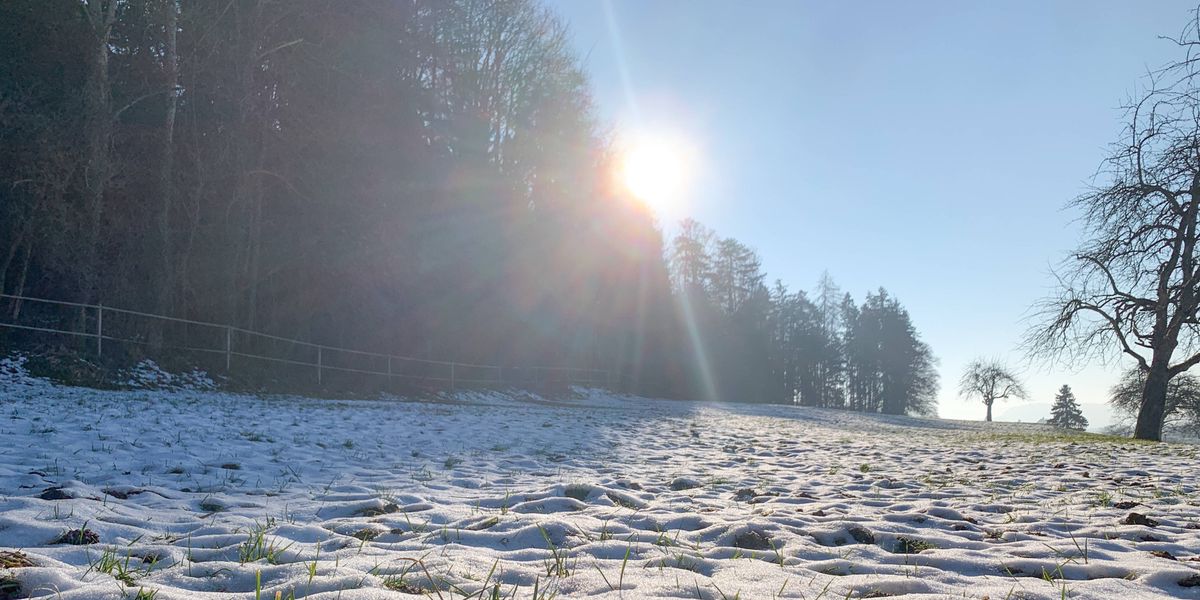
Letzte Schneereste, sofern sie denn in den tieferen Lagen der Alpennordseite überhaupt noch vorhanden sind, werden die nächsten Tage mit Sicherheit nicht überstehen. Es wird aussergewöhnlich mild.
Foto: Imago/Steinsiek.ch
Meteo Switzerland reports that hazelnut and alder shrubs are currently in full bloom throughout the country. Dry conditions combined with temperatures above 5°C are contributing to the release of large quantities of pollen. Cypress and yew trees have also begun to bloom, and the first willows are flowering. The current pollen forecast indicates high to very high pollen concentrations for hazel and alder.
Impact on Allergy Sufferers
For individuals allergic to hazel and alder pollen, experts recommend starting medication now. Roxane Guillod, Head of Specialist Services at the Allergy Centre, advised those affected to begin taking prescribed antihistamines without delay, according to a report in the Tages-Anzeiger. The Tages-Anzeiger article details the increasing concerns surrounding the early pollen season.
The early start to the pollen season is becoming increasingly common. The Allergy Centre notes that the purple alder, frequently planted in Swiss cities, blooms earlier than native species, extending the duration of pollen exposure for allergy sufferers. Climate change is also playing a role, with higher temperatures causing many plants to release pollen earlier and with greater intensity. A 2021 study found that the hazel and grass pollen seasons have shifted forward by an average of two weeks over the past 30 years. SRF News provides further details on this trend.
Allergic rhinitis, commonly known as hay fever, is a widespread condition, affecting approximately one in five people in Switzerland, according to the Swiss Academy of Sciences. Allergies are essentially an overreaction of the immune system.
Regional Variations and Forecasts
While the pollen surge is affecting the entire country, concentrations can vary significantly depending on the region and local weather conditions. The Swiss pollen monitoring network, SRF Meteo, provides up-to-date information on pollen levels across Switzerland. SRF Meteo’s pollen forecast is a valuable resource for those seeking localized information.
According to 20min.ch, the mild temperatures are expected to persist, meaning the pollen count will likely remain high in the coming days. Allergy sufferers are advised to stay informed about local pollen forecasts and grab appropriate precautions.
Preparing for Pollen Season
Beyond medication, several steps can be taken to minimize exposure to pollen. These include keeping windows closed, especially during peak pollen times, and using air purifiers with HEPA filters. Showering and changing clothes after spending time outdoors can also help remove pollen. Checking pollen forecasts daily is crucial for proactive management of allergy symptoms.
The early arrival of spring and the associated pollen surge serve as a reminder of the changing climate and its impact on public health. Continued monitoring of pollen levels and proactive measures by allergy sufferers will be essential in navigating this increasingly challenging season.
The situation is expected to remain dynamic as the week progresses. Continued monitoring of weather patterns and pollen forecasts from sources like Meteo Switzerland and SRF Meteo will be crucial for both allergy sufferers and public health officials. We will continue to provide updates as the situation evolves.
What are your thoughts on the early spring and increased pollen levels? Share your experiences and tips in the comments below. Don’t forget to share this article with anyone who might be affected by seasonal allergies.
Keep reading