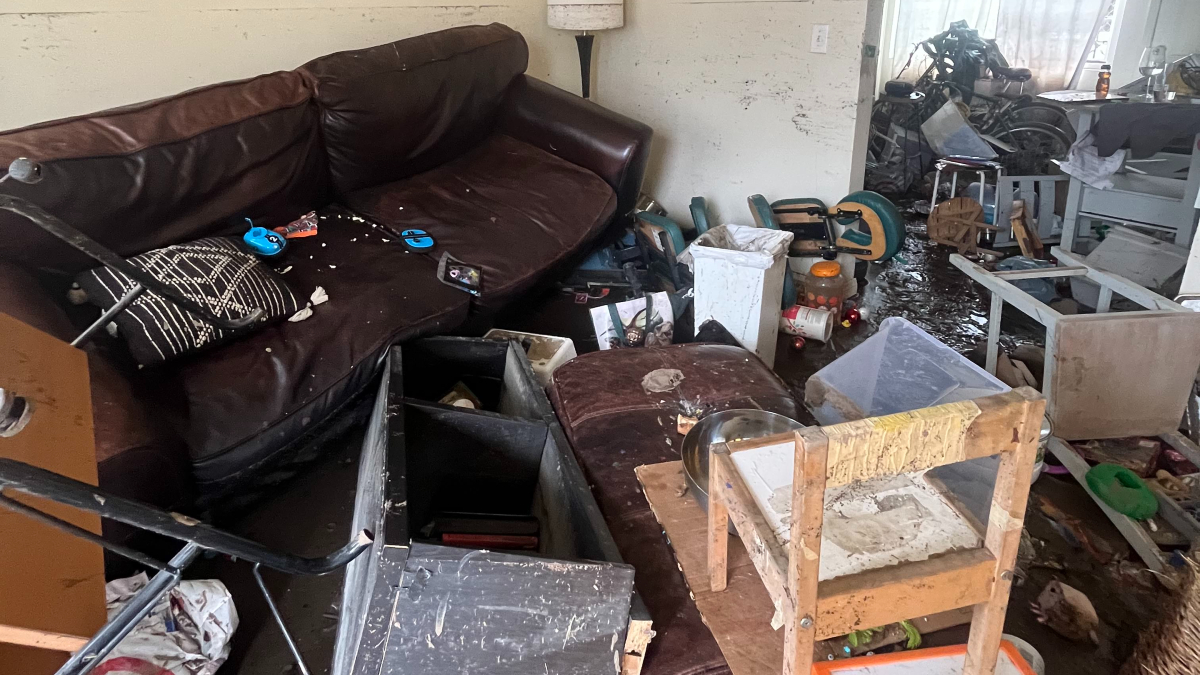
San Diego is facing mounting criticism as it moves forward with a $6.3 million settlement with insurance companies stemming from the devastating January 2024 floods, even as residents left displaced and struggling with recovery see no immediate relief. The City Council approved the payout on Tuesday, a decision that has ignited frustration among those who lost homes and livelihoods in the historic storm, particularly in the Southcrest neighborhood. The situation highlights a complex legal and ethical dilemma: balancing the city’s financial obligations to insurers with the urgent needs of its citizens.
For many, like Jessica Calix, who has been living in an RV for over two years since losing everything in the floods, the settlement feels like a betrayal. “It’s really insulting. It’s really hurtful. And it’s just like a reoccurring slap in the face,” Calix stated, encapsulating the anger felt by many flood survivors. The core of the issue, as articulated by legal representatives and residents, is the prioritization of financial reimbursement for insurance companies over direct aid to those most impacted by the disaster. This San Diego flood settlement underscores the challenges communities face in recovering from climate-related disasters and the complexities of navigating insurance claims and city responsibility.
The January 2024 floods caused widespread damage across several San Diego neighborhoods, with Southcrest bearing a disproportionate brunt of the devastation. The city is now facing at least 1,400 lawsuits alleging negligence in maintaining infrastructure, specifically drainage channels like Chollas Creek, which plaintiffs claim exacerbated the flooding. The settlement with the 17 insurance companies – including Palomar, State Farm, Allstate and Esurance – covers claims paid out to policyholders after the storm. While city officials acknowledge the pain of residents, they maintain the settlement is a necessary step in resolving legal disputes and demonstrating accountability. However, this action has only deepened the sense of abandonment felt by many still struggling to rebuild their lives.
A Settlement Prioritizing Insurers Over Residents
The $6.3 million settlement approved by the San Diego City Council represents the first financial payout related to the January 2024 floods. However, the fact that the money is going to insurance companies, rather than directly to residents, has sparked outrage. Domenic Martini, an attorney representing Calix and hundreds of other flood victims, described the situation as prioritizing “multi-billion dollar companies that, candidly, barely took a loss in this action” over the individuals and families who suffered significant losses. He further explained that the settlement is an indication the city won’t contest its liability in the ongoing lawsuits filed by survivors.
The frustration stems from the perception that insurance companies, already financially stable, are being made whole while residents grapple with the immense financial and emotional burdens of rebuilding. Calix poignantly expressed this sentiment, stating, “I suppose One can all agree that insurance companies have enough money. But as survivors, we’re all struggling.” Recovering from a disaster is a costly endeavor, and many residents perceive the city should be investing in their communities rather than reimbursing insurers. The situation raises questions about the role of insurance in disaster recovery and the responsibility of municipalities to protect their citizens from foreseeable risks.
Legal Battles and the Path to Compensation
The approval of the settlement with the insurance companies is just one piece of a larger legal puzzle. At least 1,400 lawsuits have been filed against the City of San Diego, alleging negligence in the maintenance of infrastructure that contributed to the severity of the flooding. Plaintiffs argue that inadequate upkeep of drainage systems, such as Chollas Creek, exacerbated the damage caused by the heavy rainfall on January 22, 2024. The trial for these survivor lawsuits is currently scheduled for October 2, 2026, but a settlement before then remains a possibility.
Martini noted that the plaintiffs have not yet determined a specific amount of compensation they will seek, as the total damages will vary depending on the individual circumstances of each household. However, he estimated that the city could ultimately be liable for hundreds of millions of dollars. The relatively small size of the $6.3 million settlement to insurance companies, compared to the potential cost of settling the survivor lawsuits, suggests the city anticipates a significant financial burden. This likewise highlights the potential for a protracted legal battle and the uncertainty faced by those still awaiting assistance.
City Council Acknowledges Resident Pain, But Action Remains Slow
While approving the settlement with the insurance companies, several members of the San Diego City Council acknowledged the ongoing hardship faced by flood survivors. Councilmember Henry Foster emphasized the need to remain focused on impacted families, noting that “most of these families are still navigating repairs and enduring financial strain and uncertainty, and some impacted did not have adequate insurance coverage at all.” Councilmember Sean Elo-Rivera echoed this sentiment, stating that the city has not forgotten the trauma experienced by residents and their ongoing responsibilities.
However, Calix expressed skepticism about these expressions of support, stating that after two years, “it just feels like thoughts and prayers since here we are, we’re getting no support, and these insurance companies are getting paid out before us, families that need real help.” This sentiment underscores a growing disconnect between the city’s rhetoric and the lived experiences of those still struggling to recover. The lack of tangible assistance and the prioritization of insurance payouts have eroded trust and fueled a sense of abandonment among flood survivors. The long-term psychological impact of the disaster, compounded by the slow pace of recovery, is also a significant concern.
The Role of Flood Insurance and City Responsibility
A key point of contention is the issue of flood insurance coverage. Martini pointed out that many victims were uninsured at the time of the floods, leaving them particularly vulnerable. He argued that the city is effectively prioritizing companies that do not offer flood insurance to these victims, further exacerbating the inequity. This raises questions about the city’s responsibility to ensure residents have access to affordable and adequate flood insurance, as well as to invest in infrastructure improvements that mitigate flood risks.
The settlement, according to Martini, can be categorized as “progress in the city taking responsibility,” but it’s a progress that comes at the expense of those most in need. He acknowledged the frustration of survivors who are left wondering why insurance companies are being compensated before they receive assistance. The situation underscores the need for a more comprehensive and equitable approach to disaster recovery, one that prioritizes the needs of vulnerable populations and addresses the systemic issues that contribute to their vulnerability.
The ongoing legal battles and the slow pace of recovery highlight the challenges San Diego faces in addressing the long-term consequences of the January 2024 floods. As the trial date for the survivor lawsuits approaches, the city will be under increasing pressure to provide meaningful assistance to those who have lost so much. The outcome of these legal proceedings will have significant implications for the city’s liability and its future approach to disaster preparedness, and response.
The next key date to watch is October 2, 2026, the scheduled trial date for the lawsuits filed by flood survivors. The city may attempt to reach a settlement with the plaintiffs before this date, but the amount of compensation and the terms of any agreement remain uncertain. Residents are encouraged to stay informed about the legal proceedings and to advocate for their needs. The San Diego City Clerk’s office provides access to official city records and information about upcoming meetings.
What are your thoughts on the San Diego flood settlement? Share your comments below and help us continue the conversation.
Related reading