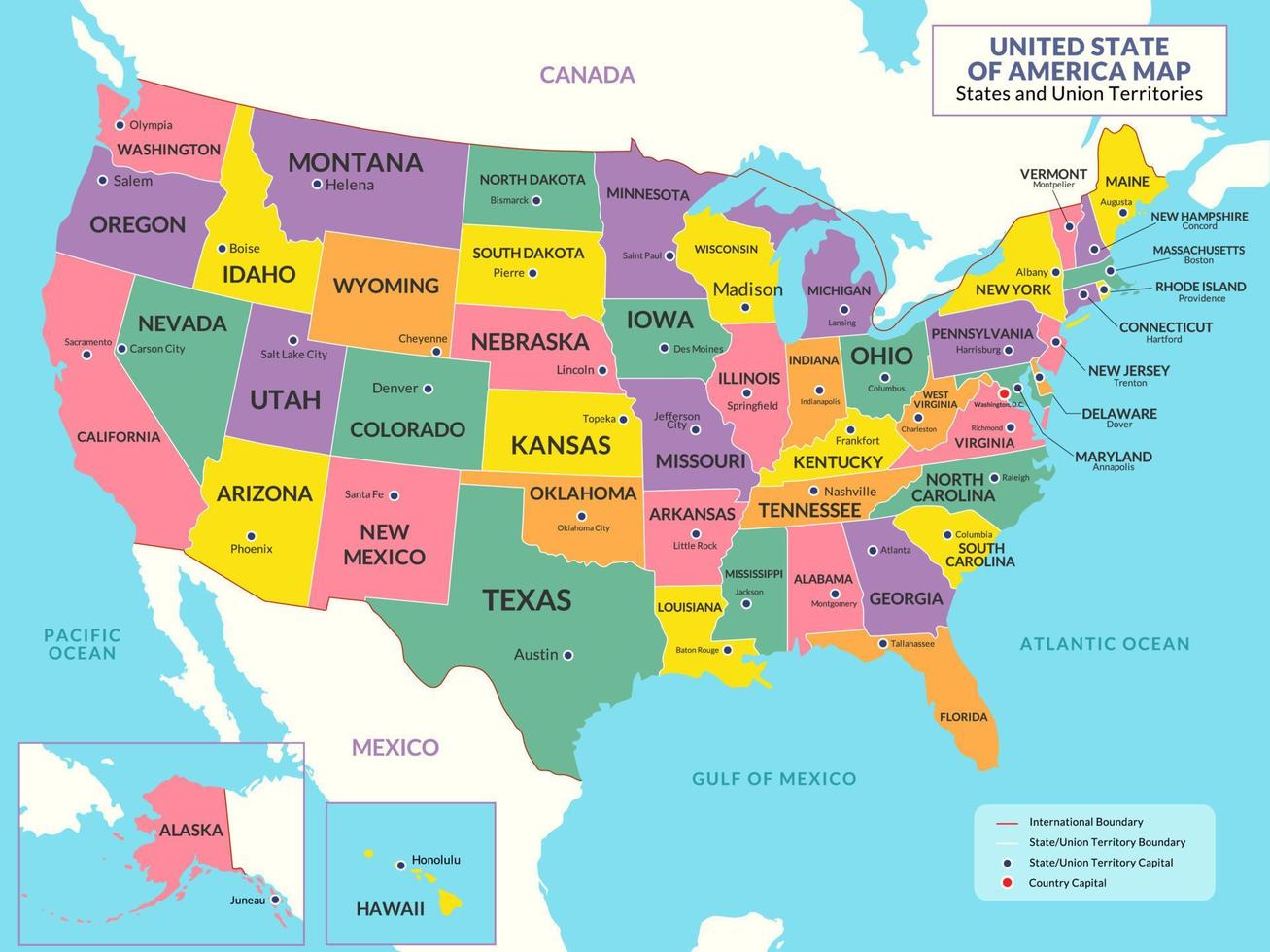
Trade relations between the United States, Canada, and Mexico have entered a period of heightened sensitivity as officials navigate complex negotiations regarding the United States-Mexico-Canada Agreement (USMCA). While current discourse suggests a period of friction, analysts and trade policy experts consider a complete breakdown of the trilateral agreement unlikely, given the deep economic integration between the three North American nations.
The USMCA, which replaced the North American Free Trade Agreement (NAFTA) in 2020, serves as the primary legal framework governing regional commerce. According to the Office of the United States Trade Representative, the agreement is designed to support mutually beneficial trade leading to freer markets, fairer trade, and robust economic growth in North America. Despite this framework, recent disputes over automotive rules of origin, dairy quotas, and energy policy have tested the resilience of the partnership.
Current Tensions in the USMCA Framework
The current climate is characterized by sector-specific disagreements that have prompted formal consultations. A significant point of contention involves the interpretation of automotive manufacturing requirements. Under the USMCA guidelines, vehicles must meet specific regional value content thresholds to qualify for duty-free status. Divergent interpretations of how these percentages are calculated have led to ongoing legal and diplomatic friction between Washington and its northern and southern neighbors.
Energy policy remains another critical area of concern. The U.S. government has raised objections regarding Mexican policies that prioritize state-owned entities in the energy sector, alleging that these measures disadvantage private investors and violate the spirit of the USMCA. These disputes are typically managed through the agreement’s built-in dispute settlement mechanisms, which provide a structured process for resolution rather than immediate trade retaliation.
Economic Integration as a Stabilizing Force
Despite the “delicate phase” currently observed in diplomatic circles, the structural reality of the North American economy acts as a significant deterrent to total trade collapse. The three countries maintain highly interdependent supply chains, particularly in the automotive, aerospace, and agricultural sectors. The U.S. Census Bureau consistently ranks Canada and Mexico as the top trading partners for the United States, reflecting billions of dollars in daily cross-border commerce.
For businesses operating within this region, the USMCA provides the legal certainty required for long-term capital investment. A rupture in the agreement would jeopardize these investments, leading to significant market volatility. Consequently, trade representatives from all three nations have continued to engage in technical-level meetings to resolve specific grievances, signaling a preference for reform and negotiation over isolationist policies.
Procedural Next Steps and Official Oversight
The next major checkpoint for the trilateral relationship is the mandatory six-year review of the USMCA, which is scheduled to occur in 2026. This review process provides a formal window for the parties to evaluate the agreement’s performance and address lingering issues. Until that time, the International Trade Administration and equivalent agencies in Ottawa and Mexico City are expected to continue utilizing established conflict resolution panels.

Stakeholders in the manufacturing and agricultural sectors are encouraged to monitor updates from the official trade representative offices for guidance on compliance and potential regulatory shifts. While political rhetoric often intensifies during election cycles, the underlying legal obligations of the USMCA remain in effect, mandating that any changes to the agreement be negotiated through established diplomatic channels.
Readers are invited to comment on how these trade developments might impact local industries or share insights on the shifting landscape of North American economic policy.