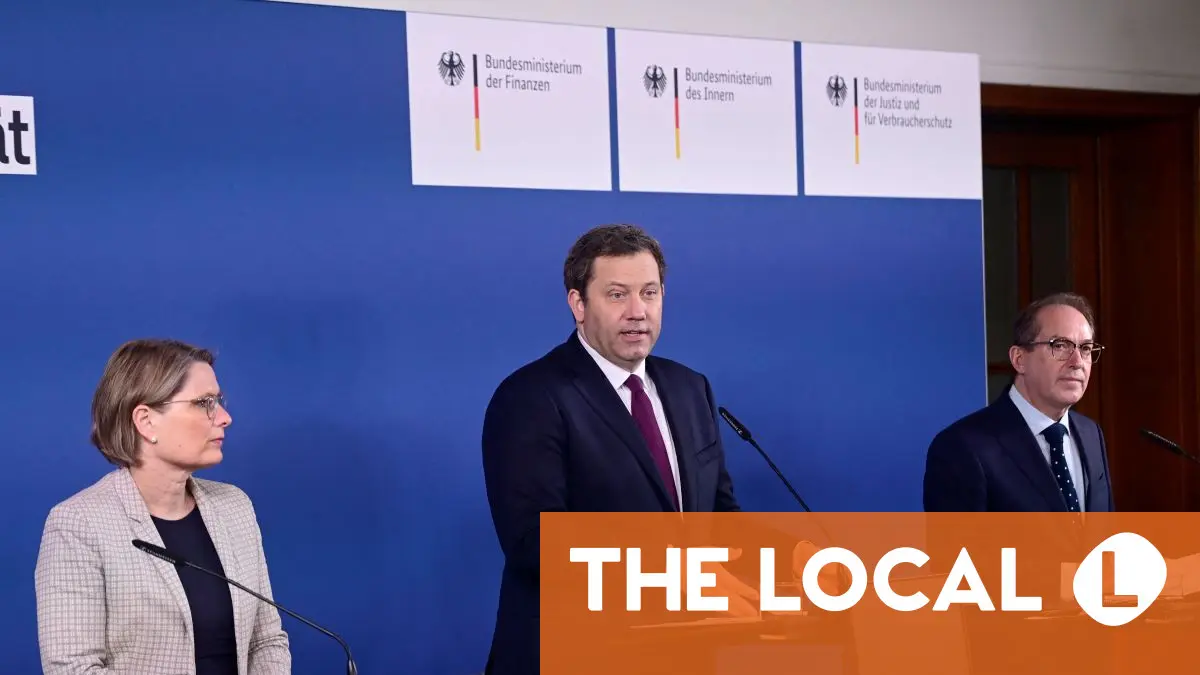
Berlin – Germany is escalating its efforts to combat organized crime, unveiling a comprehensive plan that prioritizes asset seizure and enhanced inter-agency cooperation. The initiative, announced Wednesday, signals a determined push to dismantle criminal networks involved in drug trafficking, financial crime, and money laundering, with officials promising to “hit criminals where it hurts most: their money.”
Finance Minister Lars Klingbeil, who also serves as Vice Chancellor, articulated the government’s intent, stating, “We want to really hurt the criminals.” He emphasized that the forfeiture of assets – luxury vehicles, properties, and cash – can be a more effective deterrent than imprisonment. This strategy reflects a growing concern within Germany regarding the increasing influence of family-run crime networks, often referred to as “clans,” and the challenges posed by data protection regulations and fragmented law enforcement structures.
Reversing the Burden of Proof: A ‘Game-Changer’
A central element of the new plan involves a significant shift in legal procedure. Authorities will now be empowered to reverse the burden of proof, requiring suspects to demonstrate the legitimate origin of their assets. Klingbeil described this change as a “game-changer,” suggesting it will dramatically improve the effectiveness of investigations and asset recovery. This move aims to address a long-standing frustration among law enforcement officials who have struggled to trace and seize illicit funds. The reforms are intended to bolster public confidence in the justice system, which has faced criticism for perceived leniency towards organized crime.
The move comes amid growing public anxiety about the activities of organized crime groups within Germany. Concerns have been raised that these groups have been able to operate with relative impunity, exploiting loopholes in existing legislation and benefiting from a lack of coordination between different police forces. The rise of these networks has also become a focal point for the far-right Alternative for Germany (AfD) party, which has accused the government of being too lenient and linked the issue to immigration policies. According to Reuters, the AfD is currently leading in some polls.
Enhanced Cooperation and Data Sharing
The government’s response extends beyond legal reforms to encompass a significant overhaul of inter-agency cooperation. Interior Minister Alexander Dobrindt announced plans to establish a central data store, consolidating information from various state and federal crime-fighting authorities for the first time in German history. This initiative aims to break down “departmental silos” and facilitate a more unified approach to tackling organized crime. “This was something that was previously unthinkable in the political arena, but is absolutely essential,” Dobrindt stated.
the federal police (BKA) will receive additional personnel and expanded powers, while closer collaboration will be fostered between the federal police and the federal customs office. As reported by Yahoo News, investigators will gain access to partner agencies’ databases, enabling them to conduct comprehensive data analyses and biometric comparisons to combat economic crime. This enhanced data sharing will be supported by the use of artificial intelligence (AI) to identify patterns and connections that might otherwise travel unnoticed. Klingbeil emphasized that the finance ministry is “declaring war on organised crime” in conjunction with the justice and interior ministries.
Addressing Concerns About Data Protection and Regional Fragmentation
The plan acknowledges the challenges posed by Germany’s stringent data protection rules, which have historically hindered investigations into organized crime. While maintaining respect for privacy rights, the government aims to strike a balance that allows law enforcement agencies to access and analyze the information they need to effectively combat criminal activity. The new data store and enhanced data-sharing protocols are intended to address this issue.
Another key challenge has been the lack of seamless cooperation between regional police forces. Germany’s federal structure grants significant autonomy to individual states, leading to inconsistencies in law enforcement practices and difficulties in sharing intelligence. The government’s commitment to promoting cooperation between police forces is a direct response to this issue. The initiative seeks to create a more unified and coordinated approach to tackling organized crime across the country.
The Role of AI in Modernizing Security Bodies
The integration of AI is a crucial component of Germany’s modernization efforts. Beyond data analysis, AI is expected to play a role in identifying emerging criminal trends, predicting potential threats, and optimizing resource allocation. According to a report by Reuters, Germany is actively seeking to enlist AI technologies to enhance the capabilities of its security bodies. This reflects a broader trend among European nations to leverage AI in the fight against crime and terrorism. The use of AI will be carefully monitored to ensure compliance with ethical guidelines and data privacy regulations.
Impact and Future Outlook
The implications of these reforms are far-reaching. By making it easier to seize criminal assets, the government hopes to disrupt the financial foundations of organized crime networks and deter future illicit activity. The enhanced inter-agency cooperation and data sharing are expected to improve the efficiency and effectiveness of investigations, leading to more arrests and convictions. The success of the plan will depend on the effective implementation of the new measures and the willingness of different agencies to collaborate seamlessly.
The government’s actions are also likely to have a political impact. By demonstrating a strong commitment to tackling organized crime, the ruling coalition hopes to regain public trust and counter the narrative promoted by the AfD. The AfD has consistently criticized the government’s handling of the issue, arguing that it has been too soft on criminal networks. The outcome of this policy shift will be closely watched by both supporters and opponents of the government.
The next key development to watch for is the operationalization of the central data store and the implementation of the new burden of proof rules. Officials have not yet specified a precise timeline for these steps, but they are expected to be rolled out in the coming months. Further updates on the progress of the initiative will likely be provided by the Finance, Interior, and Justice Ministries.
What are your thoughts on Germany’s new approach to combating organized crime? Share your comments below and let us know how you suppose these measures will impact the fight against criminal networks.
Keep reading