
Quetzaltenango, Guatemala – A recent initiative by Guatemala’s Ministry of Agriculture, Livestock and Food (MAGA) is empowering rural families in the San Mateo municipality to improve both their economic stability and hygiene practices. The program, focused on practical skills training, aims to reduce household expenses and promote preventative health measures within the community.
The effort centers around providing families with the knowledge and resources to produce their own cleaning supplies, specifically bar soap, utilizing locally sourced materials. This approach not only lowers monthly costs for essential hygiene products but also ensures access to the tools needed for effective disinfection and personal cleanliness. The initiative builds on existing MAGA programs designed to strengthen food security and support agricultural development in the region, recognizing the interconnectedness of health, economic well-being, and sustainable practices.
Strengthening Rural Economies Through Self-Sufficiency
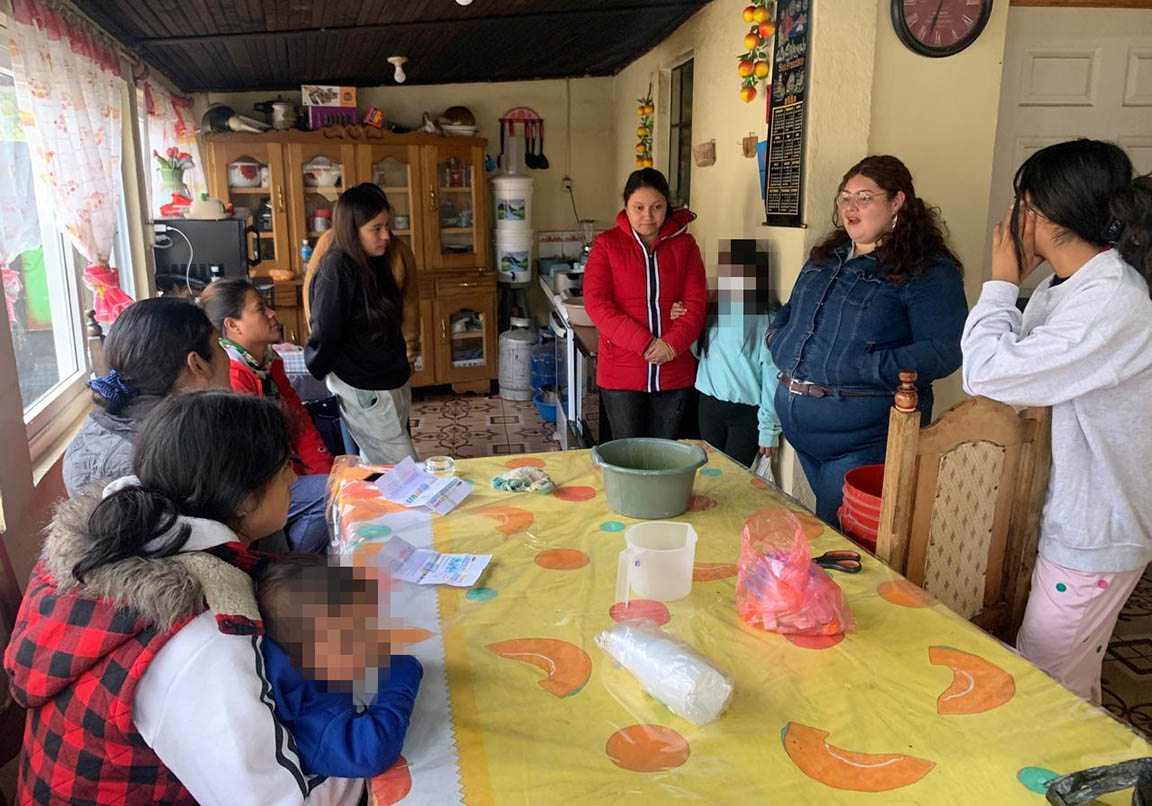
The training sessions, led by a Rural Home Educator (Educadora para el Hogar Rural or EHR), directly benefited eight families participating in the “Las Estrellitas” Rural Development Learning Center (Centro de Aprendizaje para el Desarrollo Rural or CADER). Personnel from the Municipal Rural Extension Agency (AMER) provided technical assistance in the soap-making process, emphasizing the use of readily available local resources. This focus on local resources is a key component of MAGA’s strategy to promote self-sufficiency and reduce reliance on external markets.
Beyond the immediate cost savings, the program fosters a sense of empowerment among women, who often bear the primary responsibility for household management and family health. By learning to produce essential goods themselves, these women gain greater control over their household budgets and contribute to the economic resilience of their communities. This aligns with broader global efforts to promote gender equality and empower women in rural areas, recognizing their crucial role in sustainable development.
Promoting Hygiene and Preventing Disease
The workshops weren’t solely focused on soap production. A participatory roundtable discussion followed, addressing the benefits and drawbacks of various hygiene practices within rural homes. Participants shared practical advice and personal experiences, fostering a collective learning environment that reinforces disease prevention strategies. This peer-to-peer learning approach is particularly effective in rural communities, where traditional knowledge and social networks play a vital role in disseminating information.
Fine hygiene practices are fundamental to public health, particularly in areas with limited access to healthcare facilities. Reducing the spread of infectious diseases through improved sanitation and personal hygiene can significantly improve health outcomes and reduce the burden on already strained healthcare systems. According to the World Health Organization, simple hygiene interventions, such as handwashing with soap and water, can prevent a significant proportion of diarrheal diseases and respiratory infections. WHO fact sheet on hygiene
MAGA’s Broader Commitment to Rural Development
This initiative is part of a larger effort by MAGA to transform daily habits and empower communities with knowledge that positively impacts both health and economic resource management. The Ministry has been actively involved in supporting family gardens and providing technical assistance to farmers in Quetzaltenango, aiming to enhance food security and promote sustainable agricultural practices. MAGA provides technical assistance to gardens in Quetzaltenango
In December 2025, MAGA, through the Municipal Rural Extension Agency (AMER) in San Mateo, Quetzaltenango, organized a workshop on preparing nutritious meals, further demonstrating their commitment to holistic rural development. Guatemala Business Daily reports on MAGA’s nutrition workshop The workshop focused on utilizing ingredients from home gardens, such as Swiss chard and black nightshade, to create healthy and affordable meals. This integrated approach – combining agricultural support, nutritional education, and hygiene promotion – is crucial for achieving sustainable improvements in rural livelihoods.
Locating MAGA Services in Quetzaltenango
For residents of Quetzaltenango seeking further assistance or information about MAGA programs, the Sede Quetzeltanango office can be reached at 4ta Calle 21-53 Zona 3. The office can be contacted by phone at 7767-4925 or via email at [email protected] or [email protected]. Office hours are 8:00 am to 4:30 pm. Contact information for MAGA Quetzaltenango
The success of this initiative in El Rosario, San Mateo, serves as a model for similar programs across Guatemala. By empowering rural families with practical skills and knowledge, MAGA is contributing to a healthier, more resilient, and economically secure future for the country’s rural communities. The focus on sustainable practices and community-led solutions is particularly noteworthy, demonstrating a commitment to long-term development rather than short-term fixes.
Looking ahead, MAGA plans to expand these types of workshops to other municipalities within Quetzaltenango and across the country. The Ministry will continue to monitor the impact of these programs and adapt their strategies based on feedback from participating communities. The next scheduled update on MAGA’s rural development initiatives is expected in late March 2026, when the Ministry will release a report detailing the progress made in the first quarter of the year.
What are your thoughts on this initiative? Share your comments below, and let us know how similar programs could benefit other communities around the world.
Keep reading