Family of Man Fatally Shot by Hartford Police to File Lawsuit
The family of Everard Walker, a 53-year-aged Hartford man who died after being shot by a police officer last week, intends to file a wrongful death lawsuit against the City of Hartford and the Hartford Police Department. The announcement was made by the family’s attorney on Wednesday, February 24, 2026. The case centers around a tragic incident stemming from a mental health crisis and a subsequent confrontation with law enforcement.
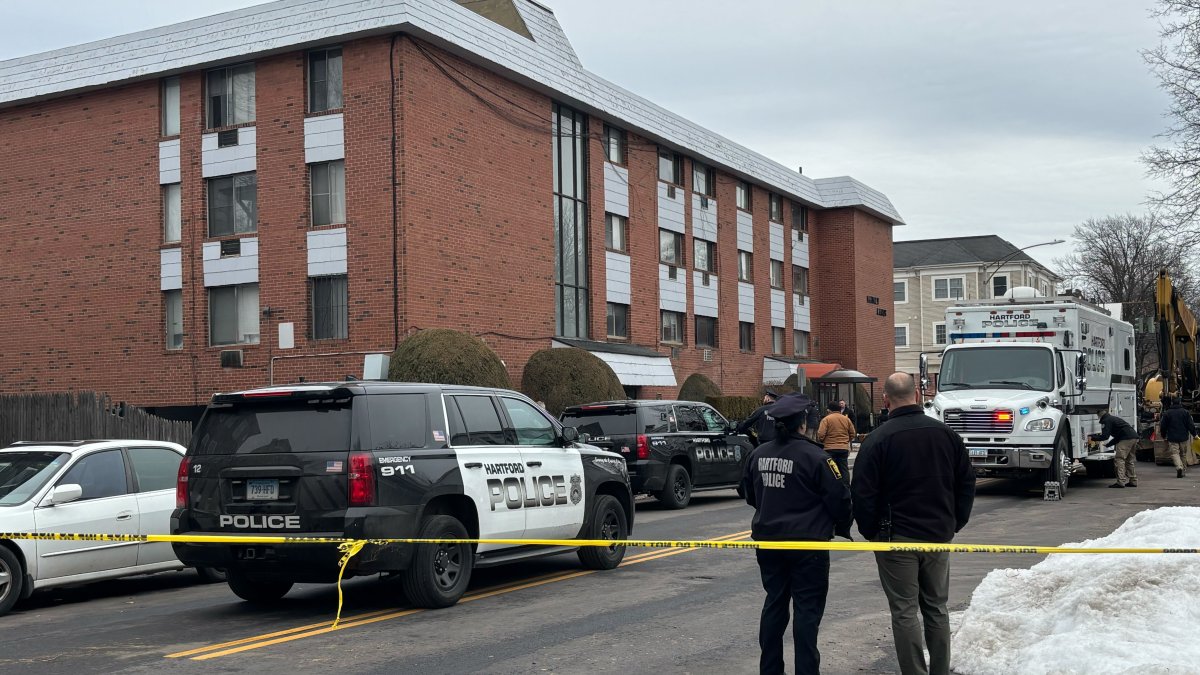
According to preliminary reports released by the Connecticut Office of the Inspector General, Walker was shot by an officer after he brandished a knife and appeared to be poised to stab another officer during a welfare check. The incident occurred on February 19, 2026, at approximately 10 a.m. At 990 Capitol Avenue in Hartford, within an apartment at Whitney Manor Apartments. The initial call for assistance originated from a family member who contacted 211, reporting that Walker was experiencing an “acute mental health crisis.”
The Capitol Region Mental Health Center requested the presence of Hartford police officers to accompany them although they attempted to evaluate Walker at his apartment. Officers initially entered the apartment but retreated due to concerns that Walker might throw a pot of boiling water at them, according to the Inspector General’s report. After nearly an hour, police re-entered the apartment, where a struggle ensued involving Walker, his son, his daughter, and two Hartford police officers. During this altercation, Walker produced a knife, leading to the shooting.
Details of the Incident and Police Response
The Inspector General’s report details a tense and rapidly escalating situation. The initial attempt to engage with Walker was cautious, with officers and mental health professionals remaining in the hallway due to the threat of the boiling water. The subsequent entry into the apartment was prompted by Walker attempting to close the door while being restrained by his son. The ensuing struggle involved multiple individuals, creating a chaotic and dangerous environment.
Officer Geovanny Rivera fell backward during the altercation, and Walker allegedly raised the knife in a threatening manner. Officer Alexander Clifford then discharged his firearm, striking Walker multiple times. Walker was transported to Saint Francis Hospital, where he was pronounced dead. The Office of the Chief Medical Examiner determined the cause of death to be gunshot wounds to the torso, neck, and right upper extremity, and ruled the manner of death as a homicide. Toxicology results are still pending as of February 23, 2026, according to the Inspector General’s report. The preliminary status report from the Office of the Inspector General provides further details on the sequence of events.
Legal Action and Claims of Wrongful Death
The family of Everard Walker is being represented by attorney Ken Krayeske, who announced the intention to file a lawsuit alleging wrongful death. The legal basis for the suit will be the Connecticut Wrongful Death Statute, which allows families to seek damages for the loss of a loved one due to negligence or intentional misconduct. The specific amount of damages sought has not yet been determined, but the lawsuit will likely address issues of police conduct, use of force, and the handling of individuals experiencing mental health crises.
Krayeske stated that the lawsuit will focus on the actions of the Hartford Police Department and the City of Hartford, alleging that their actions or inactions contributed to Walker’s death. The lawsuit will likely examine whether officers were adequately trained to handle situations involving individuals in mental health distress and whether the use of force was justified under the circumstances. The Connecticut Wrongful Death Statute allows for recovery of damages for economic losses, such as lost income, as well as non-economic losses, such as pain and suffering and loss of companionship.
Police Response and Administrative Exit
Following the shooting, both officers involved were placed on administrative leave with pay, a standard procedure in officer-involved shootings, according to Hartford Police Lieutenant Aaron Boisvert. Fox 61 News reported that this is typical protocol while the investigation is ongoing. The Inspector General’s office is continuing its investigation into the shooting, and the findings will be submitted to the State’s Attorney’s Office for a determination of whether the use of force was legally justified.
The Hartford Police Department has not released a detailed statement regarding the incident beyond confirming the administrative leave of the officers involved. The department is cooperating with the Inspector General’s investigation and has pledged to provide full transparency throughout the process. The incident has sparked renewed debate about police training, the use of force, and the response to mental health crises in Hartford and across the state of Connecticut.
Mental Health Crisis and Police Involvement
This incident highlights the complex challenges faced by law enforcement when responding to individuals experiencing mental health crises. The initial call to 211 demonstrates the family’s attempt to seek appropriate assistance for Walker, who was described as being in an “acute mental health crisis.” The involvement of the Capitol Region Mental Health Center underscores the need for specialized mental health professionals to be involved in these situations.
However, the presence of armed police officers can sometimes escalate tensions and potentially lead to tragic outcomes. Advocates for mental health reform argue that there should be a greater emphasis on de-escalation techniques and the use of mental health professionals as the primary responders to these types of calls. The incident in Hartford has fueled calls for increased funding for mental health services and improved training for law enforcement officers on how to effectively interact with individuals in crisis. The Capitol Region Mental Health Center provides a range of services, including crisis intervention, outpatient therapy, and psychiatric care.
Ongoing Investigation and Potential Outcomes
The Inspector General’s investigation is ongoing, and a final report will be issued once all evidence has been reviewed, and analyzed. The State’s Attorney’s Office will then determine whether the shooting was justified under Connecticut law. If the State’s Attorney determines that the use of force was not justified, criminal charges could be filed against the officer involved.
Regardless of the outcome of the criminal investigation, the family of Everard Walker is expected to proceed with their civil lawsuit against the City of Hartford and the Hartford Police Department. The lawsuit could result in a financial settlement or a jury verdict in favor of the family. The case is likely to draw significant attention and could have implications for police practices and policies related to mental health crises in Connecticut.
The next step in this case will be the filing of the formal lawsuit in Hartford Superior Court. The timeline for this filing is not yet known, but it is expected to occur in the coming weeks. The public will be able to follow the progress of the case through court records and media reports.
This is a developing story, and we will continue to provide updates as more information becomes available. We encourage readers to share their thoughts and perspectives in the comments section below.