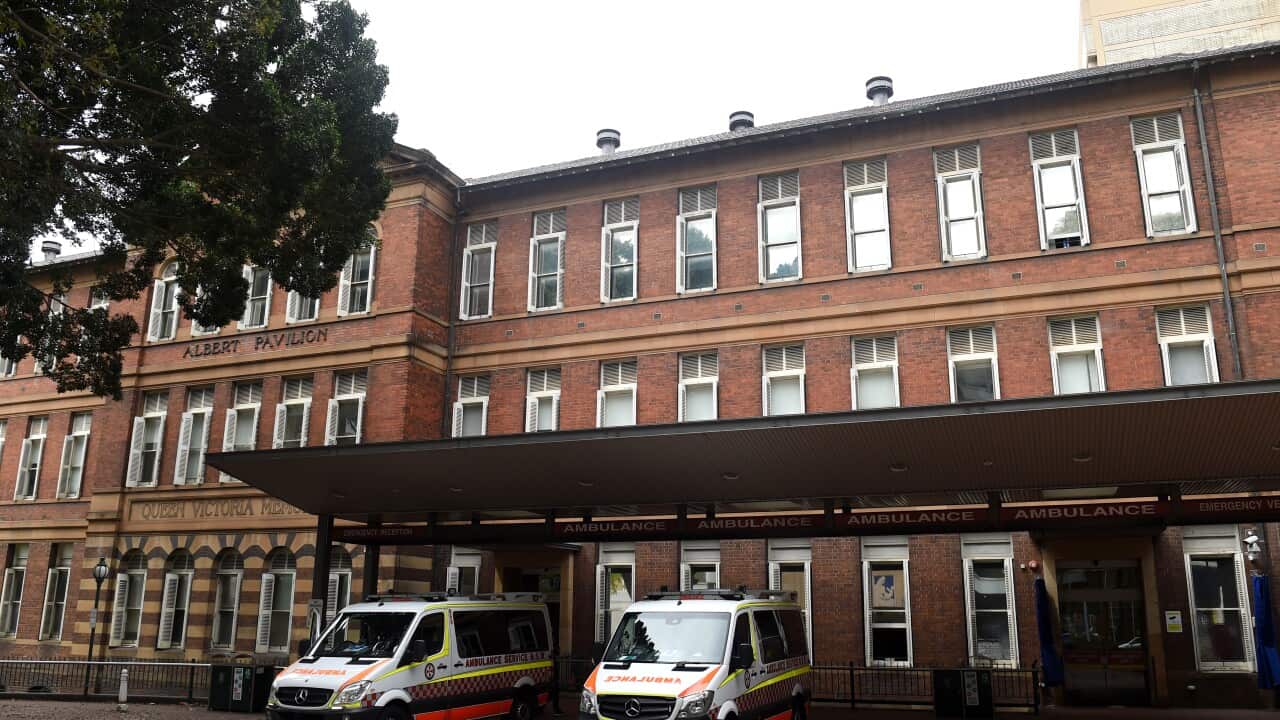
Fungal Outbreak at Sydney Hospital Linked to Two Deaths
Sydney, Australia – A cluster of Aspergillus fungal infections at Royal Prince Alfred Hospital (RPA) has tragically resulted in the deaths of two patients, raising concerns about hospital safety and the impact of ongoing redevelopment work. The outbreak, which affected six patients in the hospital’s transplant unit between October and December 2025, prompted a thorough investigation and a series of safety measures, including a deep clean, air filtration upgrades, and comprehensive air testing. Authorities have indicated a potential link between the infections and the hospital’s extensive $940 million redevelopment project, though a definitive causal connection is still being investigated.
Aspergillus is a common mold found in the environment, including soil, dust, and damp areas. Even as typically harmless to individuals with healthy immune systems, it can pose a serious threat to those who are immunocompromised, such as transplant recipients. Fungal infections are a known risk for these patients, as their immune systems are deliberately suppressed to prevent organ rejection, according to health officials. The Sydney Local Health District has expressed its deepest condolences to the families affected by the outbreak and acknowledged the distress caused to all patients and their loved ones.
What is Aspergillus and Why is it Dangerous?
Aspergillus is a genus of fungi consisting of over 600 species. Most people are exposed to Aspergillus spores daily without experiencing any ill effects. However, in individuals with weakened immune systems, such as those undergoing organ transplantation, receiving chemotherapy, or living with HIV/AIDS, Aspergillus can cause a range of illnesses, collectively known as aspergillosis. These illnesses can range from allergic reactions to invasive infections that can spread to the lungs, brain, and other organs. According to the Centers for Disease Control and Prevention (CDC), invasive aspergillosis has a high mortality rate, even with treatment. CDC – Aspergillosis
The Outbreak at Royal Prince Alfred Hospital
The fungal cluster at RPA came to light in late 2025, prompting an immediate response from hospital administrators and infectious disease specialists. Six patients in the transplant unit were identified as having contracted the infection. In response, patients were temporarily relocated from the transplant ward to allow for a comprehensive cleaning and remediation effort. This included a deep clean of the ward, upgrades to the air filtration systems to remove fungal spores, and extensive air quality testing to ensure the environment was safe for patients. At-risk patients were similarly proactively treated with antifungal medication following consultation with clinicians.
NSW Chief Health Officer Kerry Chant convened an expert panel to advise on risk mitigation strategies. The panel’s recommendations led to the implementation of enhanced infection control protocols and ongoing monitoring of air quality within the hospital. On February 9th, 2026, the expert panel declared the ward safe to reopen, following a period of rigorous testing and remediation. The hospital maintains that This proves a safe environment for care, emphasizing the robust policies and procedures in place to prevent further fungal infections. RPA has a long-standing reputation as a leading center for transplant surgery, with nearly 60 years of experience in kidney transplantation and 40 years in liver transplantation.
Construction and Potential Links to the Infection
The outbreak occurred during a significant redevelopment project at RPA, a $940 million undertaking aimed at modernizing the hospital’s facilities. Health authorities have indicated that construction work may have contributed to the spread of Aspergillus spores within the hospital environment. Construction activities can disturb soil and release fungal spores into the air, potentially increasing the risk of infection for vulnerable patients. However, establishing a direct causal link between the construction and the outbreak requires further investigation.
The hospital has not released detailed information regarding the specific construction activities that may have contributed to the outbreak. However, it is understood that the redevelopment project involves extensive excavation and renovation work, which could have disturbed soil and released fungal spores into the air. The hospital is cooperating fully with health authorities in the investigation and is committed to implementing measures to prevent similar incidents from occurring in the future.
Ongoing Monitoring and Future Prevention
Following the reopening of the transplant ward, RPA continues to closely monitor air quality and implement enhanced infection control measures. Regular air quality testing is conducted to detect any potential presence of fungal spores, and the hospital’s air filtration systems are maintained to ensure optimal performance. Healthcare workers are also receiving ongoing training on infection control protocols and the importance of early detection and treatment of fungal infections.
The incident has prompted a broader review of infection control practices at hospitals undergoing major redevelopment projects. Health authorities are considering implementing stricter guidelines for managing construction-related risks and protecting vulnerable patients from potential exposure to fungal spores and other pathogens. This includes measures such as enhanced air filtration, dust control, and regular monitoring of air quality during construction activities.
The Sydney Local Health District has assured the public that patient safety remains its top priority. The district is committed to providing a safe and high-quality healthcare environment for all patients, and it is taking all necessary steps to prevent similar incidents from occurring in the future. The district is also working closely with the families of the patients who died to provide support and address their concerns.
This incident underscores the importance of robust infection control measures, particularly in healthcare settings undergoing construction or renovation. Protecting vulnerable patients from opportunistic infections requires a multi-faceted approach, including careful planning, diligent monitoring, and a commitment to continuous improvement.
The investigation into the outbreak is ongoing, and further details may emerge as health authorities continue to gather information. The NSW Health Department is expected to release a comprehensive report on the incident in the coming months, outlining the findings of the investigation and recommendations for preventing similar outbreaks in the future.
As of today, February 26, 2026, the Royal Prince Alfred Hospital remains open and continues to provide essential healthcare services to the community. Patients requiring transplant services are being carefully screened and monitored to ensure their safety. The hospital is committed to transparency and will continue to provide updates to the public as new information becomes available.
If you have concerns about potential exposure to fungal infections or require further information about the outbreak at RPA, please consult with your healthcare provider or visit the NSW Health website. NSW Health
This represents a developing story, and we will continue to provide updates as they become available. We encourage readers to share their thoughts and experiences in the comments section below.
Worth a look