US Authorizes Oil Sales to Cuba, Linking Access to Private Sector
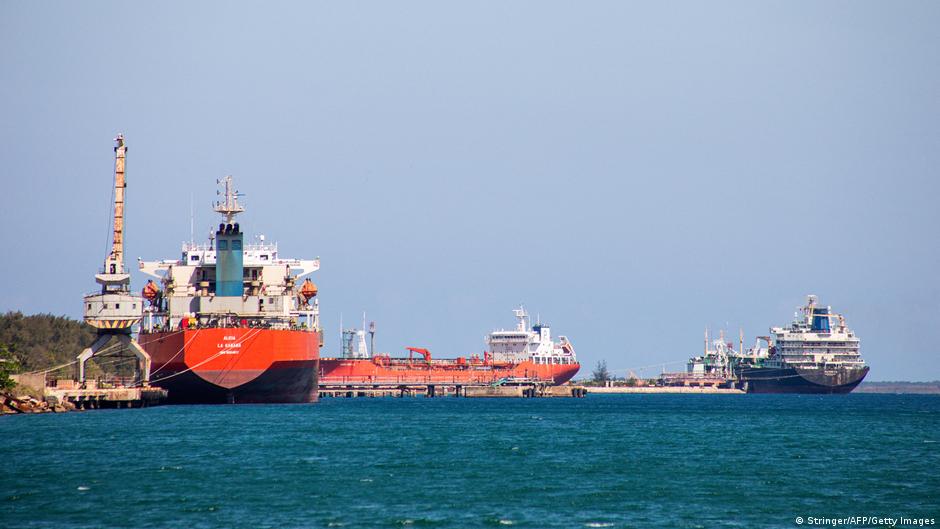
Washington has authorized the sale of oil and gas to Cuba, but with a significant condition: the fuel must be sold to private citizens and businesses on the island, the US Treasury Department announced Wednesday, February 25, 2026. This move comes amidst a rapidly evolving geopolitical landscape following the recent capture of Venezuelan President Nicolás Maduro by US forces and subsequent intervention in Caracas. The decision represents a nuanced shift in US policy toward Cuba, attempting to bypass the Cuban government while supporting the burgeoning private sector.
The authorization is a direct response to the crisis triggered by Maduro’s arrest and the ensuing sanctions imposed by the US on countries and companies exporting crude oil to Cuba. These sanctions, announced following the military incursion into Venezuela, threatened to cripple Cuba’s already fragile economy, heavily reliant on imported energy. The Cuban government, facing a critical shortage, had already begun to take steps to facilitate private imports of fuel – a first in nearly 70 years – signaling a willingness to negotiate and adapt to the changing circumstances. The US move appears to be an attempt to capitalize on this shift, directing resources towards sectors outside of state control.
Maduro’s Capture and the Shifting Regional Dynamics
The capture of Nicolás Maduro in Venezuela has dramatically altered the power dynamics in the region, with significant repercussions for Cuba, a long-time ally of the Maduro regime. The US intervention, details of which remain closely guarded, led to Maduro’s removal from power and the installation of a transitional government. Following the arrest, the Trump administration swiftly announced sanctions targeting any nation or entity continuing to supply Cuba with crude oil, effectively cutting off a vital lifeline. As the BBC reported on January 12, 2026, President Trump warned that “Cuba is ready to fall” in the wake of these developments.
For decades, Venezuela has been a key source of subsidized oil for Cuba, a relationship that propped up the Cuban economy despite its centrally planned system. The loss of this preferential access has exacerbated Cuba’s existing economic woes, including shortages of food, medicine, and fuel. The Cuban government, already grappling with a severe economic crisis, was forced to consider unprecedented measures to secure energy supplies. The authorization of private fuel imports marked a significant departure from the island’s traditional economic model.
Conditions for US Oil Exports to Cuba
The US Treasury Department’s announcement clarifies that any oil and gas exports to Cuba must be “simultaneously for use by the Cuban private sector and for activities of the Cuban private economic sector, including humanitarian needs.” This stipulation is crucial, as it aims to circumvent the Cuban government’s control over the distribution of essential resources. The US intends for the fuel to directly benefit Cuban entrepreneurs, small businesses, and citizens, rather than bolstering the state-run economy.
While the oil and gas will originate in the United States, the Treasury Department indicated that the initial source of the fuel may be Venezuela. This suggests a complex logistical arrangement, potentially involving the US purchasing Venezuelan oil and then re-exporting it to Cuba under the new conditions. This arrangement could be seen as a way to avoid directly supporting the current Venezuelan government while still addressing Cuba’s energy needs. The move is too being interpreted as a signal of the US willingness to engage with Cuba, albeit on its own terms.
Impact on Cuba’s Private Sector
The authorization of US oil sales, contingent on access for the private sector, could have a transformative effect on Cuba’s economy. The growth of the private sector has been a slow but steady trend in recent years, with increasing numbers of Cubans starting their own businesses. However, these businesses have often been hampered by limited access to resources, including fuel. Direct access to oil and gas could alleviate this constraint, allowing private enterprises to expand and create jobs.
However, challenges remain. The Cuban government still maintains significant control over the economy, and it is unclear how smoothly the implementation of this new policy will proceed. The government may attempt to exert influence over the distribution of fuel, even if it is nominally controlled by the private sector. The US sanctions on Venezuela could create logistical hurdles and increase the cost of oil, potentially limiting the benefits for Cuban consumers.
Trump Administration’s Stance and Future Negotiations
President Trump has taken a firm stance on Cuba, demanding that the island nation reach an “agreement” with the US before further concessions are made. As reported by ABC7 on January 11, 2026, Trump warned that Cuba would no longer receive Venezuelan oil following Maduro’s removal. This pressure is intended to compel the Cuban government to engage in negotiations with the US on issues such as human rights, political freedoms, and economic reforms.
The US administration is likely to closely monitor the implementation of the oil sales authorization, assessing whether it leads to tangible benefits for the Cuban private sector and whether it encourages the Cuban government to move towards greater economic and political liberalization. The future of US-Cuba relations hinges on the outcome of these developments. The situation remains fluid, and further changes in US policy are possible depending on the evolving political landscape in both Cuba, and Venezuela.
Key Takeaways
- The US has authorized oil sales to Cuba, but only if the fuel is sold to the private sector.
- This move follows the capture of Venezuelan President Nicolás Maduro and subsequent US sanctions.
- Cuba has already begun to allow private fuel imports in response to the crisis.
- The US aims to support Cuba’s private sector and encourage economic liberalization.
- President Trump is demanding that Cuba reach an agreement with the US.
The coming weeks will be critical in determining the effectiveness of this new policy. The US government is expected to provide further guidance to companies interested in exporting oil to Cuba, outlining the specific requirements for ensuring that the fuel reaches the intended recipients. The Cuban government’s response to this initiative will also be closely watched, as will the reaction of the Cuban people. The situation remains highly dynamic, and further developments are anticipated as the US and Cuba navigate this complex geopolitical landscape.
The next key development to watch for is the release of detailed regulations by the US Treasury Department regarding the implementation of the oil sales authorization, expected within the next two weeks. Stay tuned to World Today Journal for continued coverage of this evolving story.
What are your thoughts on the US policy shift towards Cuba? Share your comments below and join the conversation.
Related reading
- Iganga Deputy RDC Lyavala Slams Parish Chiefs Over PDM Petition and Insubordination
- Ukraine War Update: Missile Attacks, Strategic Shifts, and New Russian Offensives
- Rectal Cancer Surgery: Good Radiation Therapy Response May Allow Omission of Lateral Lymph Node Dissection (world-today-news.com)
- Why CD Sales Are Suddenly Outgrowing Vinyl's in 2026 (daybreakwire.com)