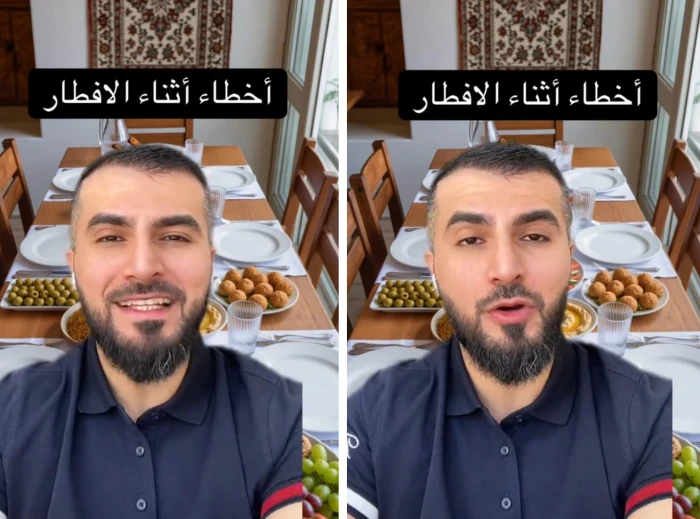
As the Islamic holy month of Ramadan approaches, attention turns to dietary practices and their impact on health. Recent discussions, originating from health professionals sharing advice on social media, highlight potential pitfalls in breaking the daily fast. Even as the initial reports centered on advice from a TikTok video, a deeper look into the science of fasting and nutrition reveals a broader conversation about maintaining stable blood sugar levels and optimizing energy during Ramadan.
The core concern revolves around the common practice of immediately consuming large quantities of carbohydrates – bread, rice, sweets, and juices – upon ending the fast. This rapid influx of sugars can lead to a significant spike in blood glucose and insulin levels, potentially triggering a cascade of negative effects, including energy crashes and increased hunger. Understanding the physiological response to fasting and the importance of a balanced iftar (the evening meal that breaks the fast) is crucial for a healthy Ramadan.
The human body undergoes several metabolic changes during fasting. After hours without food, glycogen stores (the body’s stored glucose) are depleted, and insulin levels naturally decrease. When the fast is broken with a high-carbohydrate meal, the body releases a surge of insulin to manage the sudden glucose load. This rapid insulin response can lead to a subsequent drop in blood sugar, causing fatigue, irritability, and a craving for more sugary foods – creating a cycle of energy highs and lows. This is supported by research into postprandial glucose responses, which demonstrate the impact of meal composition on blood sugar stability. The National Institutes of Health provides extensive research on glucose metabolism and insulin resistance.
The Science Behind the Iftar Meal
The recommendation to commence the iftar with dates and water, as suggested in the initial reports, aligns with established nutritional principles. Dates, while containing natural sugars, also provide fiber, potassium, and other essential nutrients. The fiber content slows down the absorption of sugar, mitigating the rapid spike in blood glucose. Water is essential for rehydration after a day of fasting, aiding digestion and overall bodily function.
Dr. Alan Aragon, a nutrition researcher and educator, emphasizes the importance of prioritizing protein and healthy fats at iftar. “Protein and fat have a minimal impact on blood sugar levels and promote satiety, helping to prevent overeating and stabilize energy,” he explains in his research on macronutrient timing. Alan Aragon’s Research Consulting offers evidence-based nutrition information.
Soups, particularly those broth-based and containing vegetables, are also an excellent choice to begin the iftar. They provide hydration and electrolytes, gently introducing nutrients to the digestive system without causing a significant blood sugar surge. Avoiding highly processed foods, sugary drinks, and excessive amounts of refined carbohydrates is key to maintaining stable energy levels throughout the evening.
Ramadan and Global Health Considerations
Ramadan is observed by Muslims worldwide, representing over 1.8 billion people, approximately 24% of the global population. The Pew Research Center provides demographic data on the global Muslim population and Ramadan observance. This widespread observance underscores the importance of providing accessible and accurate nutritional guidance to support the health and well-being of fasting individuals.
For individuals with pre-existing health conditions, such as diabetes or heart disease, careful planning and consultation with a healthcare professional are particularly crucial. The sudden changes in eating patterns and fluid intake during Ramadan can significantly impact these conditions. The American Diabetes Association offers specific guidance for Muslims with diabetes during Ramadan, emphasizing the need for individualized meal plans and close monitoring of blood glucose levels. The American Diabetes Association’s Ramadan resources provide detailed information and support.
Beyond the Iftar: Sustaining Health Throughout Ramadan
Maintaining a healthy lifestyle during Ramadan extends beyond the iftar meal. The suhoor (the pre-dawn meal) is equally important, providing sustained energy throughout the fasting day. A balanced suhoor should include complex carbohydrates, protein, and healthy fats. Oatmeal with nuts and seeds, whole-wheat bread with eggs, or yogurt with fruit are all excellent choices.
Adequate hydration is also paramount. Drinking sufficient water between iftar and suhoor is essential to prevent dehydration, which can lead to fatigue, headaches, and impaired cognitive function. Avoiding excessive caffeine and sugary drinks is recommended, as they can contribute to dehydration and disrupt sleep patterns.
Physical activity should be adjusted to accommodate the fasting schedule. Light to moderate exercise, such as walking or yoga, can be beneficial, but strenuous activity should be avoided during fasting hours. Listening to your body and adjusting your activity level based on your energy levels is crucial.
قريبًا هختار واحد من جمهوري لأن نجوم تيك توك هم الجمهور، أنا لا أنافس الجمهور pic.twitter.com/JZ97ZhQc2N
— Mohamed Ramadan (@Mohamed_Ramadan) February 20, 2026
Recently, Egyptian singer Mohamed Ramadan announced a surprising move: gifting his TikTok account, boasting over 10 million followers, to one of his fans. According to reports from Arrajol, this unprecedented act of generosity has generated considerable buzz on social media. Ramadan stated, “The stars of TikTok are the audience, I do not compete with the audience.” This gesture highlights the growing influence of social media and the evolving relationship between celebrities and their fans. Ramadan currently has 9.9 million followers on TikTok. His TikTok profile shows a highly engaged audience.
Key Takeaways
- Prioritize dates and water to break the fast gently.
- Focus on protein and healthy fats at iftar to stabilize blood sugar.
- Choose complex carbohydrates and protein for a sustaining suhoor.
- Stay adequately hydrated throughout the non-fasting hours.
- Adjust physical activity to accommodate the fasting schedule.
As Ramadan approaches, prioritizing mindful eating and healthy habits is essential for maximizing the spiritual and physical benefits of this sacred month. By understanding the science behind fasting and making informed dietary choices, individuals can ensure a healthy and fulfilling Ramadan experience. For further guidance, consult with a registered dietitian or healthcare professional to develop a personalized plan tailored to your individual needs and health status.
The coming weeks will see further discussion and guidance from health organizations regarding optimal practices during Ramadan. Stay informed by checking resources from the American Diabetes Association and the World Health Organization for the latest recommendations.