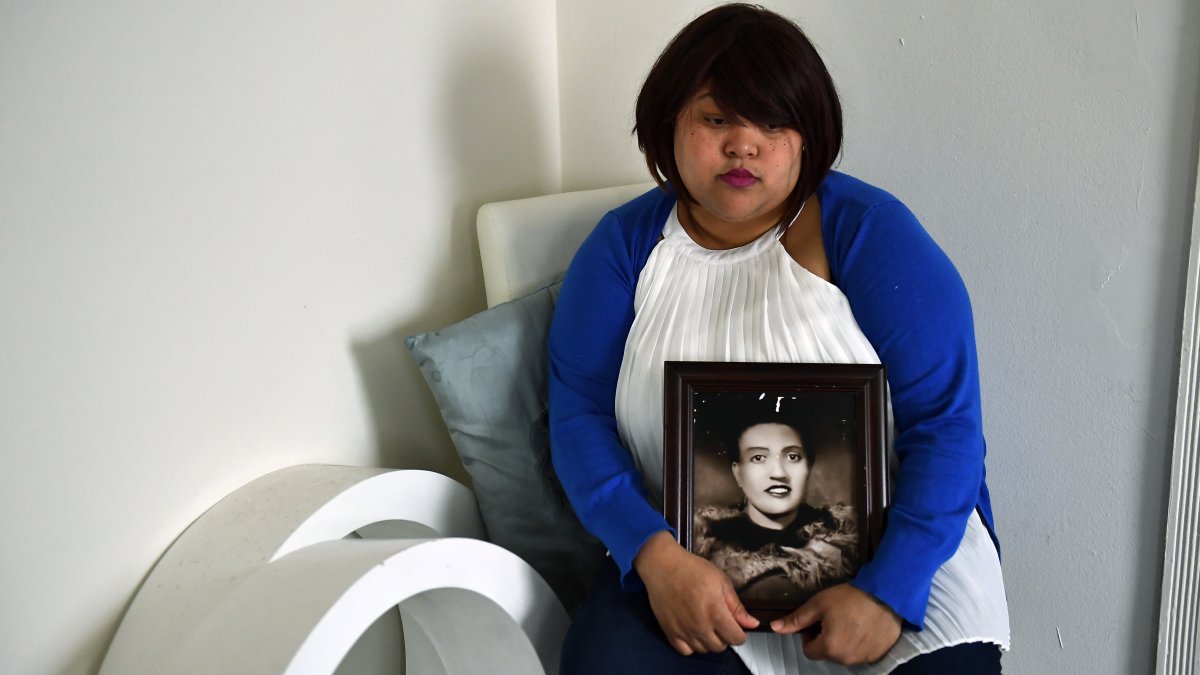
The long-running legal battle concerning the use of Henrietta Lacks’ cells – the first human cells to be successfully cloned – has taken another turn, with Novartis settling a lawsuit brought by the Lacks estate. The suit alleged the pharmaceutical giant unjustly profited from the “immortal” HeLa cell line, derived from Lacks’ cervical cancer cells taken without her knowledge in 1951. This settlement marks the second such agreement reached by the Lacks family, highlighting a growing reckoning with the ethical implications of utilizing human biological material for commercial gain.
Details of the agreement, finalized in federal court in Maryland earlier this month, remain confidential. However, the joint statement released by the Lacks family and Novartis indicates a mutual desire to resolve the matter outside of prolonged litigation. “The Lacks family and Swiss-based Novartis said in a joint statement that they are “pleased they were able to find a way to resolve this matter filed by Henrietta Lacks’ Estate outside of court” but aren’t commenting further,” according to reporting from NBC4 Washington. The case centered on the claim that Novartis benefited significantly from the widespread use of HeLa cells in research and development, without providing adequate compensation to the Lacks family.
The HeLa cell line has been instrumental in countless medical breakthroughs, from the development of the polio vaccine to advancements in cancer research, genetic mapping, and, more recently, the rapid development of COVID-19 vaccines. However, for decades, the Lacks family received no financial benefit from the commercialization of these cells, despite their profound impact on global health. This lack of recognition and compensation fueled the legal challenges brought forth by the estate, aiming to address what they characterized as a historical injustice rooted in a racially biased medical system.
The Legacy of HeLa Cells and the Fight for Recognition
Henrietta Lacks, a 31-year-old African American mother of five, was undergoing treatment for cervical cancer at Johns Hopkins Hospital in Baltimore in 1951. During a biopsy, cells were taken from her tumor without her informed consent – a common practice at the time. These cells, unlike most human cells, possessed the remarkable ability to reproduce indefinitely in a laboratory setting, becoming the first immortalized human cell line. Scientists quickly recognized the immense potential of HeLa cells for research and they were widely distributed to laboratories around the world.
Although Johns Hopkins Hospital has stated it never sold the HeLa cell line itself, the institution did not seek financial compensation for its use, and many companies subsequently patented ways of utilizing the cells for commercial purposes. This led to a situation where the Lacks family remained unaware of the extent to which their mother’s cells were being used and profited from, while facing significant financial hardship themselves. The story of Henrietta Lacks and the HeLa cell line gained wider public attention with the publication of Rebecca Skloot’s bestselling book, “The Immortal Life of Henrietta Lacks,” in 2010, and a subsequent HBO film adaptation.
A Series of Settlements and Ongoing Litigation
The Novartis settlement follows a similar, undisclosed agreement reached in 2023 between the Lacks estate and Thermo Fisher Scientific Inc. In that case, the Lacks family argued that Thermo Fisher continued to profit from HeLa cells long after the origins of the cell line were publicly known. The legal team representing the estate asserted that the company unjustly enriched itself by commercializing the cells without proper acknowledgment or compensation. The Associated Press reported on the 2023 settlement with Thermo Fisher Scientific, highlighting the growing legal pressure on companies utilizing the HeLa cell line.
Despite the settlements with Novartis and Thermo Fisher, the Lacks estate’s legal battles are not yet over. Active litigation remains ongoing against Ultragenyx Pharmaceutical and Viatris, with attorneys indicating the possibility of filing additional lawsuits in the future. Just over a week after the Thermo Fisher settlement, a lawsuit was filed against Ultragenyx in Baltimore federal court, continuing the legal pursuit of redress for the Lacks family. According to an AP News article, these ongoing cases underscore the family’s determination to seek comprehensive accountability from companies that have benefited from the HeLa cell line.
The Ethical Implications of Biological Material Use
The legal challenges brought by the Lacks estate have sparked a broader conversation about the ethical considerations surrounding the use of human biological material in research and commercial applications. Historically, there has been a lack of clear regulations and protections for individuals whose cells or tissues are used for scientific purposes. This has raised concerns about informed consent, privacy, and equitable benefit-sharing.
The case of Henrietta Lacks has become a pivotal example in the debate over “bioprivacy” – the right of individuals to control the use of their biological information. Advocates for bioprivacy argue that individuals should have the right to decide how their cells and tissues are used, and that they should be compensated if their biological material leads to commercial products or profits. The settlements reached by the Lacks estate represent a significant step towards recognizing these rights and addressing the historical injustices that have occurred in this area.
Looking Ahead: The Future of HeLa Cell Line Litigation
The Novartis settlement, while not disclosing financial details, signals a growing willingness among pharmaceutical companies to address the ethical concerns surrounding the use of the HeLa cell line. The ongoing litigation against Ultragenyx and Viatris will likely further shape the legal landscape and potentially lead to additional settlements or court rulings. The outcome of these cases could have far-reaching implications for the biotechnology industry and the way human biological material is used in research and development.
The Lacks family’s pursuit of justice has not only sought financial compensation but too aimed to ensure that Henrietta Lacks’ contribution to science is properly acknowledged and respected. Efforts have been made to establish a foundation in her name to support educational opportunities and research in the field of cervical cancer. The story of Henrietta Lacks serves as a powerful reminder of the importance of ethical considerations in scientific research and the need to protect the rights of individuals whose biological material is used for the benefit of society.
The next steps in this legal saga will likely involve continued discovery and potential settlement negotiations in the cases against Ultragenyx and Viatris. The courts will be tasked with balancing the interests of the Lacks estate with the broader public interest in promoting scientific innovation. As these cases progress, they will undoubtedly continue to raise important questions about the ethical responsibilities of researchers, companies, and institutions that utilize human biological material.
What are your thoughts on the Novartis settlement and the ongoing legal battles surrounding the HeLa cell line? Share your comments below and join the conversation.
Keep reading
- Scotland’s tax hike may have backfired as receipt falls
- Joan Barniol, operador de parkings: “Hemos levantado 13 parkings y facturado más de 1,5 millones en el último año. La inteligencia artificial nos permite tener 0 empleados” – Mundo Deportivo
- Apple Faces Lawsuit Over Fraudulent App Financial Losses (newsdirectory3.com)