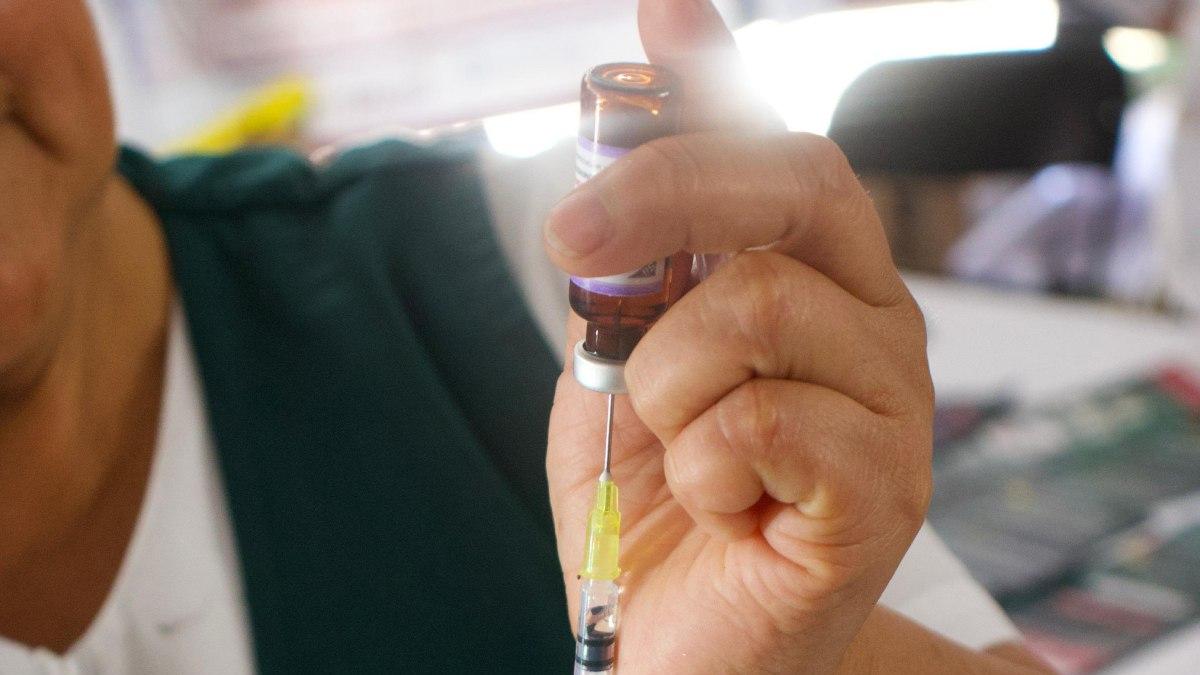
Measles Cases Surge in Mexico, Prompting Health Concerns and Vaccination Efforts
Mexico is grappling with a significant resurgence of measles, with the latest data revealing 11,419 confirmed cases as of February 26, 2026. This increase has triggered alerts from international health organizations and prompted a renewed push for vaccination across the country. The outbreak, impacting communities nationwide, underscores the critical importance of maintaining high vaccination rates to prevent the spread of this highly contagious disease. The situation is particularly concerning given the potential for severe complications, especially in young children and individuals with compromised immune systems.
The recent surge represents a substantial increase from earlier in the month. According to reports, there were 10,634 confirmed cases as of February 20th. Over the subsequent weekend, an additional 307 cases were reported, bringing the total to 10,941 by February 23rd. Between February 23rd and 24th, 121 new cases were confirmed, increasing the cumulative total to 11,062. Further increases of 204 cases between February 24th and 25th, and 153 cases in the last 24 hours, culminated in the current total of 11,419 confirmed infections. This rapid escalation highlights the ongoing transmission of the virus and the challenges faced by public health officials in containing the outbreak.
Geographic Distribution and Vulnerable Populations
The measles outbreak has affected 392 municipalities across all 32 states in Mexico over the past 12 months. A significant portion of the cases – 4,966 – have been recorded in the first two months of 2026 alone, demonstrating the accelerating pace of the outbreak. Health officials have identified specific age groups as being particularly vulnerable. Children aged 1 to 4 years represent the highest incidence rate, followed by those aged 5 to 9 years, and then individuals between 25 and 29 years old. This distribution suggests potential gaps in vaccination coverage within these age cohorts and highlights the require for targeted vaccination campaigns.
Jalisco state currently bears the heaviest burden of the outbreak, with 2,938 confirmed cases. Mexico City follows with 345 cases, and the State of Mexico has reported 142 cases. These three regions account for a substantial proportion of the national total, indicating localized areas of intense transmission. Understanding the specific factors driving transmission in these areas – such as vaccination rates, population density, and access to healthcare – is crucial for developing effective control strategies.
Fatalities and Public Health Response
As of February 23rd, 32 deaths have been associated with the measles outbreak in Mexico. Importantly, no new deaths have been reported since that date, according to available information. The states that have reported fatalities have not been publicly specified. The Mexican Secretary of Health (Secretaría de Salud) is reinforcing its strategy to combat the spread of measles, emphasizing vaccination as the primary preventative measure. This includes a national vaccination week aimed at increasing immunization coverage and protecting vulnerable populations.
The World Health Organization (WHO) defines measles as one of the most contagious human illnesses, caused by a virus that can spread through respiratory droplets produced by coughing or sneezing. The WHO emphasizes that a single measles case is an indicator of a breakdown in immunization programs. Initial symptoms typically include a high fever, cough, runny nose, and conjunctivitis (red, watery eyes). These are followed by a characteristic rash that begins on the face and spreads throughout the body. Complications can include ear infections, pneumonia, encephalitis (inflammation of the brain), and even death.
Vaccination as a Key Preventative Measure
The cornerstone of measles prevention is vaccination with the triple viral vaccine (SRP), which provides protection against measles, rubella, and mumps. The vaccination schedule in Mexico, as recommended by health authorities, involves two doses administered during childhood. Maintaining high vaccination coverage rates – ideally above 95% – is essential for achieving herd immunity and preventing outbreaks. Herd immunity occurs when a sufficiently large proportion of the population is immune to a disease, making it tough for the virus to spread.
In response to the escalating outbreak, the United States has issued a travel alert for Mexico, advising travelers to ensure they are up-to-date on their measles vaccinations before visiting. This alert reflects the international concern surrounding the outbreak and the potential for cross-border transmission. The Mexican government is actively working to increase vaccine access and address vaccine hesitancy, recognizing that widespread immunization is the most effective way to control the outbreak and protect public health.
Understanding Vaccine Hesitancy
Vaccine hesitancy, the reluctance or refusal to vaccinate despite the availability of vaccines, remains a significant challenge in many parts of the world, including Mexico. Factors contributing to vaccine hesitancy can include misinformation, concerns about vaccine safety, and lack of trust in healthcare systems. Addressing these concerns through clear and accurate communication, community engagement, and collaboration with healthcare providers is crucial for promoting vaccine acceptance and achieving high immunization rates.
Looking Ahead
The Mexican Secretary of Health will continue to monitor the situation closely and provide regular updates on the outbreak. The next official report on measles cases is expected in early March 2026. Public health officials are urging individuals to seek medical attention if they experience symptoms of measles and to ensure they and their families are fully vaccinated. Continued vigilance, robust vaccination efforts, and effective communication are essential for containing the outbreak and protecting the health of the Mexican population.
The current measles outbreak serves as a stark reminder of the importance of vaccination in preventing infectious diseases. Maintaining high immunization coverage rates is not only crucial for protecting individuals but also for safeguarding public health and preventing the resurgence of preventable diseases. Individuals are encouraged to consult with their healthcare providers to ensure they are up-to-date on their vaccinations and to address any concerns they may have about vaccine safety and efficacy.
If you are experiencing symptoms of measles, please contact your healthcare provider immediately.
What are your thoughts on the measles outbreak in Mexico? Share your comments below and help spread awareness about the importance of vaccination.
Related reading
- Body Positivity and Fitness: Shifting Focus from Appearance to Strength
- Ébola en el Congo: Preocupación por la rápida propagación del virus y la amenaza a Kinshasa
- UN Warns of Fastest-Ever Ebola Outbreak in DR Congo (archynewsy.com)
- Kratom’s Rising Popularity Sparks Addiction Concerns and Sales Bans (news-usa.today)