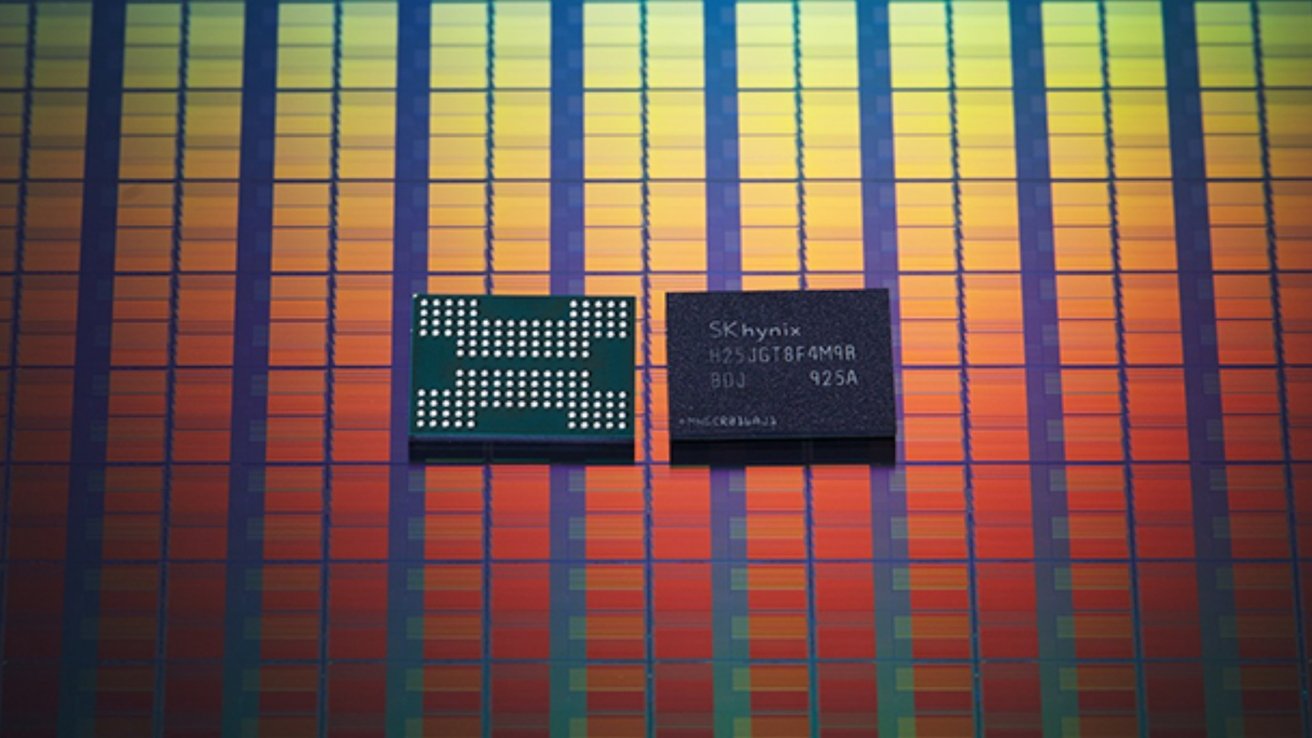
San Francisco, CA – For consumers and manufacturers alike, the past few years have brought persistent challenges in the technology supply chain. A critical and often overlooked, component driving up costs across the electronics industry is memory – specifically, Random Access Memory (RAM) and Solid State Drives (SSDs). What began as logistical hiccups during the pandemic has evolved into a complex crisis impacting everything from smartphone production to data center expansion. The global RAM and SSD shortage isn’t simply a matter of inconvenience; it’s a fundamental economic pressure point reshaping the tech landscape.
The price of these essential components has skyrocketed. Although specific figures vary depending on the type of memory and the supplier, the trend is undeniable. The situation is particularly acute for companies like Apple, historically known for its ability to negotiate favorable component pricing due to its massive purchasing power. This dynamic is shifting, forcing even industry giants to adapt to a new reality where supply dictates terms. The shortage impacts not only consumer electronics but also critical infrastructure reliant on data storage and processing, highlighting the far-reaching consequences of this global bottleneck.
The Roots of the Shortage: A Perfect Storm
Several converging factors have contributed to the current memory shortage. The initial shock came with the COVID-19 pandemic, which disrupted global logistics and manufacturing. Lockdowns and reduced workforces at key production facilities in Asia, particularly in countries like South Korea and China, created immediate supply constraints. However, the problem extends beyond pandemic-related disruptions. Increased demand across multiple sectors, fueled by the rise of remote operate, online learning, and the continued growth of cloud computing, has put immense pressure on existing production capacity.
The demand for data centers, which rely heavily on both RAM and SSDs, has been particularly strong. As more businesses migrate to the cloud and data generation continues to accelerate, the need for high-capacity, high-performance storage solutions has surged. This demand, coupled with the increasing complexity of modern devices requiring more sophisticated memory technologies, has exacerbated the existing supply limitations. Geopolitical factors and trade tensions have added another layer of uncertainty to the supply chain, prompting companies to diversify their sourcing and stockpile components, further straining availability.
Apple’s Position and Strategic Shifts
Apple, traditionally a master of supply chain management, has found itself navigating unprecedented challenges. The company’s strategy of securing components from multiple suppliers, while historically effective, has been less impactful in the face of widespread shortages. According to recent reports, Apple is exploring partnerships with Chinese memory manufacturers like YMTC and CXMT as it seeks to diversify its supply base. This move signals a potential shift in Apple’s sourcing strategy, acknowledging the limitations of relying solely on established suppliers like Samsung and SK Hynix.
The situation is further complicated by rising prices. TrendForce reports that Samsung may raise iPhone LPDDR prices by over 80% quarter-over-quarter, while SK Hynix is reportedly nearing a 100% increase , significantly impacting the cost of iPhones and other Apple products. These price increases are not unique to Apple; manufacturers across the industry are facing similar pressures, leading to higher prices for consumers.
Long-Term Contracts and the 2026 Horizon
A significant factor looming over the memory market is the expiration of long-term DRAM contracts in 2026. Apple, like many other tech companies, has historically relied on these contracts to secure stable pricing and supply. However, as these contracts expire, companies will be forced to renegotiate terms in a market characterized by scarcity and high demand. Igor’s Lab highlights the implications of these expiring contracts, suggesting a potential for further price volatility and supply uncertainty .
The expiration of these contracts could lead to a more competitive bidding environment, potentially benefiting suppliers like Samsung and SK Hynix. However, it also creates risk for manufacturers like Apple, who may face significantly higher costs for memory components. The outcome will depend on a variety of factors, including the overall economic climate, the pace of technological innovation, and the ability of suppliers to increase production capacity.
Understanding DRAM and SSD Technology
To fully grasp the implications of the shortage, it’s essential to understand the role of DRAM and SSDs. DRAM (Dynamic Random Access Memory) is the primary memory used by computers to store data that is actively being used. It’s crucial for running applications, loading operating systems, and performing everyday tasks. SSDs (Solid State Drives), are used for long-term storage, replacing traditional hard disk drives. They offer faster speeds, greater durability, and lower power consumption.
Both DRAM and SSDs are complex semiconductor devices requiring specialized manufacturing processes. The production of these components is concentrated in a relatively small number of companies, making the supply chain particularly vulnerable to disruptions. The increasing demand for higher-capacity, higher-performance memory requires continuous investment in research and development, adding to the cost and complexity of production.
Impact on Consumers and Industries
The RAM and SSD shortage has a ripple effect across numerous industries. Consumer electronics, including smartphones, laptops, and gaming consoles, are directly impacted by higher component costs, leading to increased retail prices. The automotive industry, increasingly reliant on advanced driver-assistance systems (ADAS) and infotainment systems, is also feeling the pinch. Data centers, cloud service providers, and businesses relying on data analytics are facing higher operating costs and potential delays in expansion plans.
For consumers, the shortage translates to longer wait times for products, higher prices, and potentially reduced features in some cases. Manufacturers may be forced to prioritize production of higher-margin products, leading to limited availability of more affordable options. The situation is particularly challenging for small and medium-sized businesses, who may struggle to absorb the increased costs and compete with larger companies.
Key Takeaways
- The global RAM and SSD shortage is a complex issue driven by pandemic-related disruptions, increased demand, and geopolitical factors.
- Apple is adapting to the shortage by exploring partnerships with new suppliers, signaling a potential shift in its sourcing strategy.
- The expiration of long-term DRAM contracts in 2026 could further exacerbate price volatility and supply uncertainty.
- Consumers and businesses are facing higher prices, longer wait times, and potential limitations in product availability.
Looking ahead, the memory market is expected to remain tight for the foreseeable future. While manufacturers are investing in new production capacity, it takes time to bring these facilities online. The industry is also exploring new technologies, such as advanced packaging and 3D stacking, to increase memory density and improve performance. However, these innovations are still in their early stages of development and are unlikely to provide immediate relief. The next significant checkpoint will be the renegotiation of DRAM contracts in 2026, which will likely shape the memory market for years to reach.
What are your thoughts on the RAM and SSD shortage? How has it impacted your purchasing decisions? Share your experiences and insights in the comments below.
Worth a look