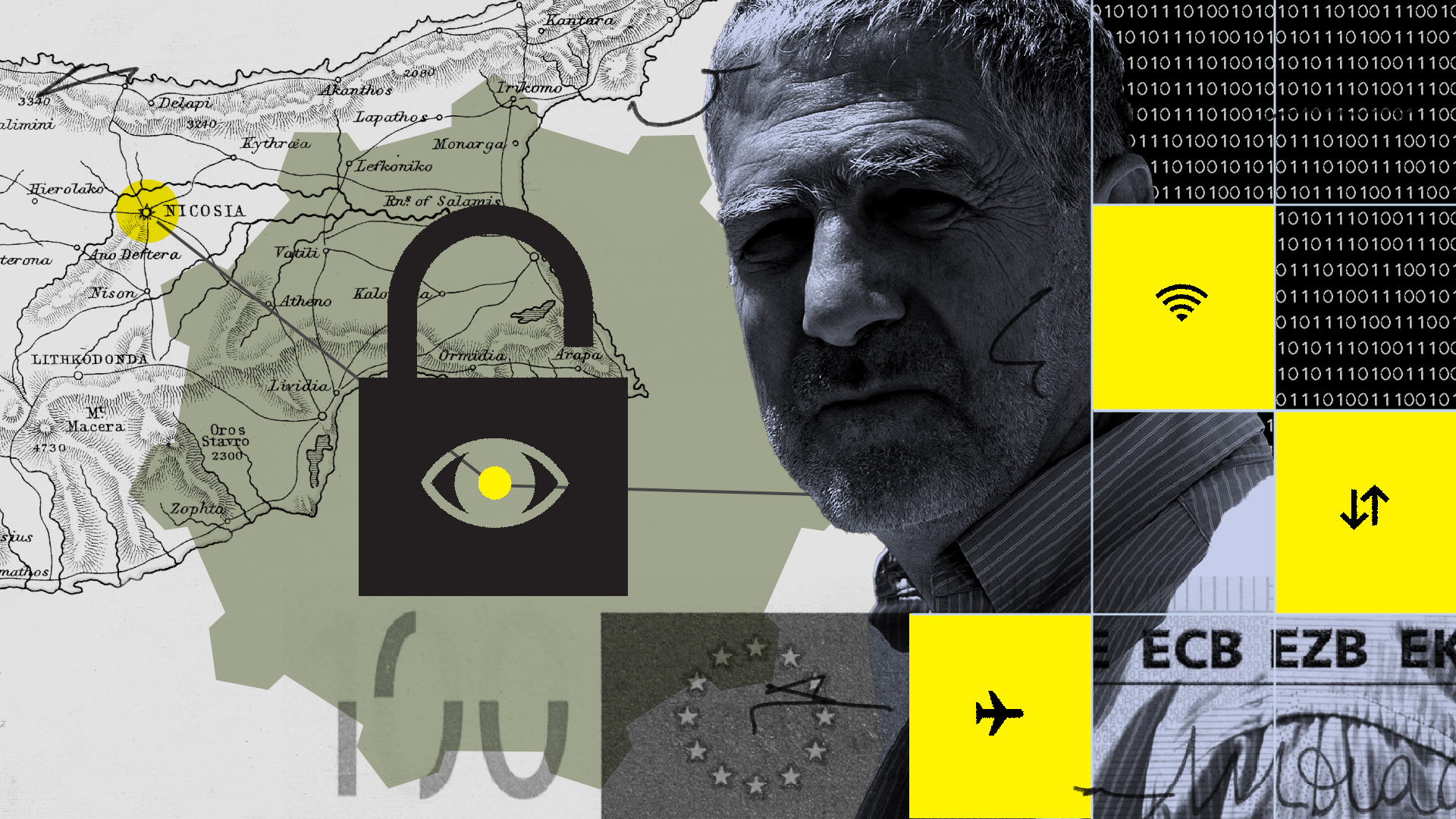
Athens, Greece – A Greek court has convicted four individuals, including Israeli national Tal Dilian, founder of the controversial spyware developer Intellexa, for their involvement in a large-scale illegal wiretapping operation targeting prominent Greek citizens. The convictions, handed down on February 27, 2026, mark a significant development in the “Predatorgate” scandal that has shaken Greece’s political landscape and raised serious concerns about the employ of surveillance technology against journalists, politicians, and government officials. Each defendant received an eight-year prison sentence, suspended pending appeal.
The other individuals convicted alongside Dilian are Sara Hamou, his former wife and business partner; Felix Bitzios, an Intellexa executive; and Yiannis Lavranos, the owner of the Greek security firm that purchased Intellexa’s Predator spyware. The court found them guilty of breaching the confidentiality of telephone communications and illegally accessing information systems, offenses that carry significant penalties under Greek law. This case highlights the growing global scrutiny of the spyware industry and its potential for abuse by governments and private entities.
The Predatorgate Scandal and Intellexa’s Role
The scandal, dubbed “Predatorgate,” first came to light in 2022 when reports emerged that the phones of numerous high-profile individuals in Greece had been targeted with Predator spyware. Among those reportedly targeted were the current leader of the main opposition party, a journalist investigating corruption within the Greek banking sector, and the editor-in-chief of a leading Greek newspaper. The revelations led to the resignations of the head of Greece’s intelligence agency and a senior aide to the prime minister, triggering a political crisis and a national investigation. According to reporting by Kathimerini, the court has agreed to share the trial record with judicial authorities to investigate potential additional offenses and identify other individuals who may have been involved.
Intellexa, founded by Dilian, a former commander in an elite Israeli intelligence unit, has been at the center of the controversy. The company develops and sells Predator spyware, a powerful surveillance tool capable of remotely accessing a mobile device’s microphone, camera, contacts, and files. The spyware’s capabilities have raised concerns about its potential for misuse by authoritarian regimes and its impact on privacy and freedom of expression. Investigations by the International Consortium of Investigative Journalists (ICIJ), as part of the Cyprus Confidential investigation, revealed that Intellexa had sold its spyware to several governments with questionable human rights records.
U.S. Sanctions and Continued Operations
In March and September 2024, the U.S. Government imposed sanctions on Dilian, Hamou, and Bitzios, citing their involvement in the development and sale of spyware used to target individuals worldwide. However, sanctions against Hamou were lifted in late 2025. Despite these sanctions, Intellexa continued to operate, and its Predator spyware was reportedly used to hack the phone of Teixeira Cândido, a prominent Angolan journalist, in May 2024. Cândido, an advocate for media freedom, described the experience as deeply unsettling, stating, “I was scared, of course, because I didn’t realize what content they took from my phone, from my emails, and I didn’t know what they had listened to,” according to reporting by the ICIJ. He had previously experienced a burglary at the headquarters of the Syndicate of Angolan Journalists, raising concerns about targeted surveillance.
Further investigations by Amnesty International’s Security Lab revealed that Predator spyware was also used to target a human rights lawyer in Pakistan during the summer of 2025. The lab also discovered that Intellexa executives had established businesses in Portugal, including a skincare company founded by Hamou, raising questions about the company’s efforts to circumvent international scrutiny and continue its operations. These findings underscore the challenges in regulating the global spyware trade and holding companies accountable for the misuse of their products.
The Broader Implications of the Greek Case
The convictions in Greece represent a landmark moment in the fight against the proliferation of spyware and its abuse by governments and private entities. John Scott-Railton, a senior researcher at the University of Toronto’s Citizen Lab, emphasized the significance of the ruling, stating, “This is the first time that an executive at a mercenary spy company has been convicted and sentenced to prison. What this shows is when all the facts of spyware companies’ business models get in front of a fair judge, consequences will follow.” This case sets a precedent that could encourage other countries to investigate and prosecute individuals and companies involved in the illegal surveillance of citizens.
Intellexa’s clientele has included regimes accused of serious human rights abuses, including Sudan’s Rapid Support Forces, whose actions in the ongoing civil war have been described by UN experts as potentially constituting genocide. The company has also sold Predator spyware to the Egyptian intelligence services and the Vietnamese government, which reportedly attempted to hack the devices of U.S. Officials. These sales raise concerns about the potential for spyware to be used to suppress dissent, monitor political opponents, and violate fundamental human rights.
The Appeal and Potential for Further Prosecutions
Following the verdict, Tal Dilian indicated his intention to appeal the ruling, stating in an email to the ICIJ that the verdict was “fundamentally irreconcilable with the evidentiary record” and rejecting any suggestion that his company’s activities were used as a “scapegoat for political leverage or external agendas.” The outcome of the appeal remains uncertain, but the convictions have already sent a strong message to the spyware industry and those who seek to exploit surveillance technology for malicious purposes.
The Greek prosecutor in the case has indicated that the evidence warrants further investigation into potential espionage charges against the defendants and others involved in the scandal. This suggests that the legal proceedings may not be over, and that additional prosecutions could be forthcoming. The case also highlights the need for greater transparency and accountability in the spyware industry, as well as stronger regulations to protect individuals from unlawful surveillance.
The convictions in Greece come amid growing international concern over the use of spyware. Governments around the world are grappling with how to regulate the industry and protect their citizens from its potential harms. The European Union is currently considering legislation to restrict the sale and use of spyware, and the United States is also reviewing its policies on the export of surveillance technology. The Greek case is likely to add momentum to these efforts and encourage greater international cooperation in the fight against the misuse of spyware.
Key Takeaways:
- Four individuals, including Intellexa founder Tal Dilian, have been convicted in Greece for illegal wiretapping.
- The case, known as “Predatorgate,” involved the targeting of prominent Greek citizens with Predator spyware.
- Intellexa has sold its spyware to governments with questionable human rights records, raising concerns about its misuse.
- The convictions represent a landmark moment in the fight against the proliferation of spyware and its abuse.
- Dilian plans to appeal the ruling, and further prosecutions are possible.
The next step in this case will be the hearing for Dilian’s appeal, the date of which has not yet been announced. The outcome of the appeal will be crucial in determining the future of the case and its impact on the spyware industry. We will continue to follow this story closely and provide updates as they develop into available. Share your thoughts on this essential case in the comments below.
Worth a look