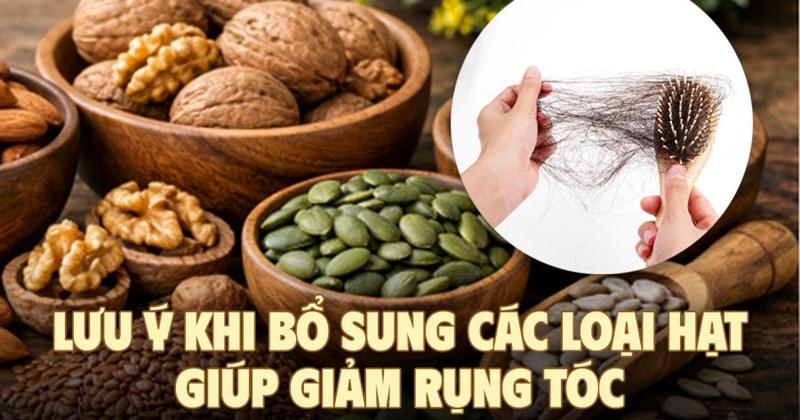
Berlin, Germany – Hair loss, or alopecia, is a common concern affecting millions worldwide. Although often attributed to genetics and hormonal changes, a growing body of evidence suggests that nutritional deficiencies can play a significant role. Specifically, the role of micronutrients, delivered through a balanced diet and, in some cases, supplementation, is gaining increased attention from dermatologists and nutritionists. However, navigating the world of nut supplements for hair health requires caution and informed decision-making.
The link between diet and hair health isn’t new. Hair follicles, the structures responsible for hair growth, are metabolically active and require a consistent supply of nutrients to function optimally. When the body lacks essential vitamins and minerals, hair growth can be compromised, leading to thinning, breakage, and hair loss. But simply popping a handful of nuts isn’t a guaranteed solution, and certain considerations are crucial to avoid potential downsides.
The Nutritional Power of Nuts for Hair Health
Nuts are nutritional powerhouses, packed with vitamins, minerals, healthy fats, and protein – all vital for robust hair growth. According to research, several nutrients found abundantly in nuts directly contribute to hair health. For example, nuts like walnuts, almonds, and Brazil nuts are excellent sources of zinc, vitamin E, and omega-3 fatty acids. Zinc is crucial for tissue growth and repair, including hair follicles, and a deficiency has been linked to alopecia. Vitamin E, a potent antioxidant, protects hair follicles from damage caused by free radicals. Omega-3 fatty acids help maintain scalp health and reduce inflammation, creating a favorable environment for hair growth.
Walnuts, in particular, stand out due to their high concentration of alpha-linolenic acid, a type of omega-3 fatty acid. Almonds are rich in biotin, a B vitamin often touted for its hair-strengthening properties. Brazil nuts are an exceptional source of selenium, another antioxidant that plays a role in thyroid hormone metabolism, which is essential for hair growth. However, it’s important to note that selenium should be consumed in moderation, as excessive intake can be harmful.
Potential Pitfalls: When Nut Consumption Becomes Problematic
While nuts offer numerous benefits, overconsumption or improper supplementation can lead to unintended consequences. One major concern is the high calorie density of nuts. A small handful can contain a significant number of calories, potentially contributing to weight gain if not factored into a balanced diet. Weight gain, in itself, isn’t directly linked to hair loss, but it can exacerbate underlying health conditions that contribute to alopecia, such as insulin resistance and hormonal imbalances.
some individuals may have nut allergies, ranging from mild reactions like itching and hives to severe, life-threatening anaphylaxis. Nut allergies are among the most common food allergies, and symptoms can develop at any age. It’s crucial to be aware of any existing allergies before incorporating nuts into your diet or considering nut-based supplements. If you suspect an allergy, consult an allergist for proper diagnosis and management.
Selenium Toxicity: A Cautionary Tale
As mentioned earlier, Brazil nuts are exceptionally rich in selenium. While selenium is essential for thyroid function and antioxidant defense, excessive intake can lead to selenosis, a condition characterized by symptoms such as hair loss, brittle nails, gastrointestinal distress, and neurological problems. The tolerable upper intake level for selenium is 400 micrograms per day, and just one or two Brazil nuts can exceed this limit. Moderation is key when consuming Brazil nuts, and it’s advisable to vary your nut intake to avoid overexposure to any single nutrient.
Phytic Acid and Nutrient Absorption
Nuts contain phytic acid, a compound that can bind to certain minerals, such as zinc and iron, reducing their absorption in the digestive tract. While phytic acid too has antioxidant properties, excessive intake can potentially contribute to mineral deficiencies. Soaking nuts overnight or sprouting them can help reduce phytic acid content and improve mineral bioavailability. However, the impact of phytic acid on nutrient absorption is complex and varies depending on individual factors and overall dietary intake.
Supplementation vs. Whole Foods: A Balanced Approach
While nut-based supplements are available, experts generally recommend obtaining nutrients from whole foods whenever possible. Whole nuts provide a broader spectrum of nutrients and beneficial compounds than isolated supplements. The synergistic interactions between different nutrients in whole foods can enhance their absorption and utilization. However, in cases of diagnosed nutrient deficiencies or specific medical conditions, supplementation may be necessary under the guidance of a healthcare professional.
If considering a nut-based supplement, it’s crucial to choose a reputable brand that undergoes third-party testing for purity and potency. Look for supplements that are free from artificial additives, fillers, and allergens. Always follow the recommended dosage instructions and consult with your doctor before starting any new supplement regimen, especially if you have underlying health conditions or are taking medications.
Integrating Nuts into a Hair-Healthy Diet
The most effective approach to leveraging the benefits of nuts for hair health is to incorporate them into a well-rounded, nutrient-rich diet. Aim for a variety of nuts, including walnuts, almonds, Brazil nuts, cashews, and pecans, to ensure a diverse intake of vitamins and minerals. A handful (approximately 1 ounce) of nuts per day is generally considered a healthy serving size.
Beyond nuts, prioritize other hair-healthy foods, such as eggs (rich in protein and biotin), fatty fish (salmon, mackerel, sardines – excellent sources of omega-3 fatty acids), leafy green vegetables (spinach, kale – provide iron and vitamins A and C), and lean protein sources (chicken, turkey, beans – essential for hair growth). Staying adequately hydrated is also crucial for maintaining scalp health and promoting hair growth.
addressing hair loss requires a holistic approach that considers genetics, lifestyle factors, and nutritional status. While nuts can be a valuable component of a hair-healthy diet, they are not a magic bullet. Consulting with a dermatologist or registered dietitian can help you identify any underlying nutrient deficiencies and develop a personalized plan to support optimal hair growth.
Researchers continue to investigate the complex interplay between nutrition and hair health. Ongoing studies are exploring the potential benefits of specific nutrients and dietary patterns for preventing and treating various types of hair loss. The next major update on nutritional interventions for alopecia is expected from the International Society of Hair Restoration Surgery (ISHR) at their annual conference in October 2026.
Do you have questions about incorporating nuts into your diet for hair health? Share your thoughts and experiences in the comments below. And please, share this article with anyone who might discover it helpful!
Worth a look