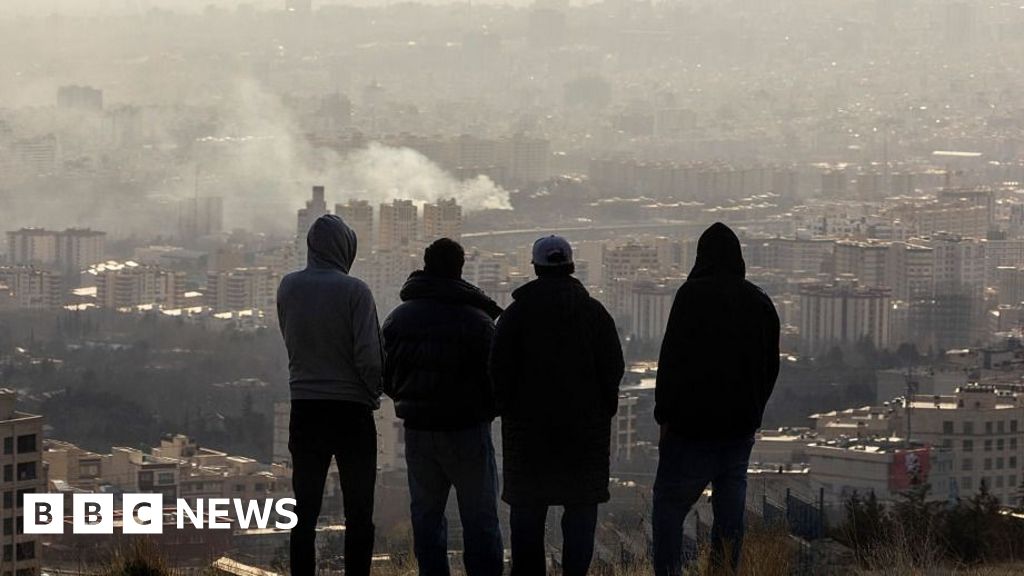
Escalating Tensions: Third Day of US-Israeli Conflict with Iran Sees Widening Regional Impact
The conflict between the United States and Israel, acting in concert, and Iran entered its third day on Tuesday, March 3, 2026, marked by a significant escalation in hostilities. Drone and air strikes have been exchanged between opposing forces, extending the reach of the conflict beyond Iranian and Israeli territories. The situation remains highly volatile, with growing concerns about a wider regional war. This unfolding crisis, rooted in long-standing geopolitical tensions, is now directly impacting multiple nations across the Middle East and beyond, prompting urgent calls for de-escalation from international leaders.
Reports indicate that the United States conducted strikes within Iran, with initial assessments suggesting damage to infrastructure and potential casualties. These actions represent a direct military intervention by the US, significantly raising the stakes in the conflict. Simultaneously, Israel has continued its offensive, launching strikes into Lebanon targeting positions believed to be affiliated with Hezbollah, a powerful Lebanese Shia political and military organization. The coordinated nature of these attacks underscores a unified strategy aimed at countering Iranian influence in the region. The conflict’s rapid expansion is raising fears of a protracted and devastating war, with potentially far-reaching consequences for global stability.
US Military Involvement and Regional Incidents
The US military’s involvement has been further complicated by a series of incidents. According to reports, three US fighter jets crashed in Kuwait. US officials have attributed the incident to “apparent friendly fire,” though a full investigation is underway. This incident highlights the inherent risks of operating in a highly contested airspace and the potential for unintended consequences. The crashes underscore the complex logistical challenges facing the US military as it expands its presence in the region.
Further demonstrating the widening scope of the conflict, a British Royal Air Force (RAF) base in Cyprus was reportedly struck by an Iranian drone, prompting an evacuation of personnel. This attack marks the first direct targeting of a UK military asset in the conflict, signaling Iran’s willingness to extend its reach and potentially draw additional nations into the fray. The incident in Cyprus underscores the vulnerability of military installations in the region and the escalating threat posed by drone warfare.
State Department Urges Americans to Leave the Middle East
In response to the escalating violence, the US State Department has issued a strong advisory urging all American citizens to leave the Middle East immediately. This unprecedented call for evacuation reflects the severity of the situation and the growing risk to US nationals in the region. The advisory highlights the potential for further attacks and the increasing difficulty of providing consular assistance in a conflict zone. The State Department’s warning underscores the deteriorating security environment and the urgent need for Americans to prioritize their safety. The Guardian provides further details on this development.
Trump’s Comments and Potential for Prolonged Conflict
Adding another layer of complexity to the situation, former US President Donald Trump has suggested the possibility of an extended war with Iran. The New York Times reports that Trump’s remarks have raised concerns about a potential shift in US policy towards a more aggressive stance. His comments come as the US continues to bolster its military presence in the Middle East, signaling a commitment to confronting Iran’s regional activities. The prospect of a prolonged conflict raises serious questions about the long-term stability of the region and the potential for further escalation.
Impact on Global Oil Markets and Economic Concerns
The escalating conflict is already having a significant impact on global oil markets, with prices surging as concerns about supply disruptions grow. The Middle East is a critical region for oil production, and any disruption to supply could have far-reaching consequences for the global economy. The uncertainty surrounding the conflict is also contributing to volatility in financial markets, as investors seek safe-haven assets. The economic fallout from the conflict could be substantial, potentially exacerbating existing inflationary pressures and slowing global growth.
Casualties and Humanitarian Concerns
Reports indicate that at least six US service members have been killed since the start of the war. NBC News details the mounting casualties. The conflict is also raising serious humanitarian concerns, with reports of civilian casualties and displacement in affected areas. The ongoing violence is likely to exacerbate existing humanitarian crises in the region, putting further strain on already limited resources. International aid organizations are preparing to respond to the growing humanitarian needs, but access to affected areas remains a significant challenge.
Key Takeaways
- The US-Israeli conflict with Iran has entered a critical third day, marked by escalating military actions and widening regional impact.
- The US has conducted strikes within Iran, and Israel continues to target Hezbollah positions in Lebanon.
- The US State Department has urged all American citizens to leave the Middle East due to the deteriorating security situation.
- Global oil markets are experiencing significant volatility, and economic concerns are mounting.
- Casualties are rising, and humanitarian needs are growing in affected areas.
The situation remains fluid and unpredictable. The next key development to watch will be the response from Iran to the US strikes, and whether diplomatic efforts to de-escalate the conflict will gain traction. We will continue to provide updates as this critical situation unfolds. Share your thoughts and analysis in the comments below.