Middle East Tensions Escalate, Prolonged Conflict Likely, South Korean Central Bank Reports
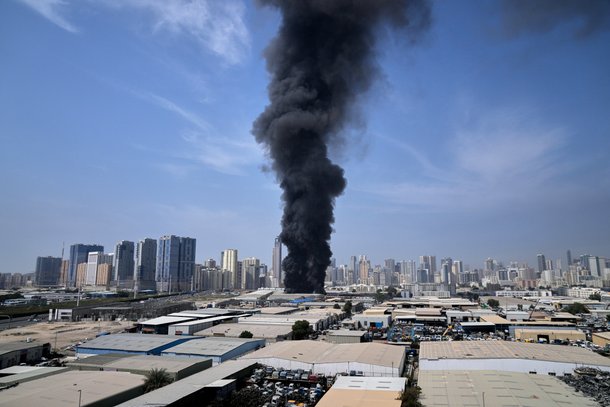
Geopolitical tensions in the Middle East are intensifying, moving beyond short-term skirmishes toward a protracted conflict, according to a recent assessment by the Bank of Korea’s (BOK) London office. Although a complete closure of the Hormuz Strait is considered unlikely, the report highlights growing concerns over potential disruptions to global supply chains and rising commodity prices. The analysis comes amid escalating exchanges between Israel and Iran, and follows Iranian attacks on the United Arab Emirates (UAE).
The BOK’s London office, in its “Monitoring of the Middle East Situation” report released on March 2nd (local time), noted that as of 5:00 PM London time, anxieties surrounding military escalation in the region were impacting financial markets. This resulted in continued strength in commodity prices, including oil and gold, alongside increases in bond yields and the U.S. Dollar, while stock prices declined. The report underscores a shift from initial expectations of a contained conflict to a more sustained period of instability.
Financial Market Reactions to Regional Instability
The London financial market saw the U.S. Dollar index (DXY) climb 1.0% to 98.58, driven by a preference for safe-haven assets. Conversely, the Euro and British Pound experienced declines of 1.0% and 0.7% respectively. Brent crude oil surged 6.9% to $77.48 per barrel due to ongoing supply concerns, while gold prices rose 0.3% to $2,302.64 per ounce, reflecting risk aversion among investors. According to a report by Etoday, these market movements indicate a heightened sensitivity to the unfolding situation in the Middle East.
The BOK’s assessment, based on input from local market participants, suggests a consensus view that the conflict is likely to be prolonged. This expectation stems from a complex interplay of factors, including the power vacuum following the death of Iran’s supreme leader, the resulting uncertainty surrounding the regime, and the potential for escalated U.S. Response following the deaths of American service members. Further complicating the situation is the expansion of conflict to regional U.S. Military bases and the broader Gulf region, alongside increased risks to maritime traffic through the Strait of Hormuz.
Strait of Hormuz: A Critical Chokepoint
The Strait of Hormuz, a narrow waterway connecting the Persian Gulf to the Gulf of Oman and the Arabian Sea, is a vital artery for global oil supplies. Approximately 20% of the world’s oil passes through this strategic chokepoint, making it a focal point of geopolitical concern. Major investment banks (IBs), as cited in a report by Edaily, believe the conflict increases the likelihood of disruptions to shipping through the Strait, though a complete blockade remains improbable.
The BOK report indicates that the prevailing view is that a “higher level of escalation” is increasingly likely. This assessment considers the potential for power struggles within Iran following the death of its supreme leader, the resulting instability of the regime, the possibility of a stronger U.S. Response due to American casualties, the spread of conflict to regional U.S. Military bases and the Gulf region, and the heightened risks to maritime shipping in the Hormuz Strait. These factors collectively contribute to a more volatile and unpredictable security landscape.
Impact on Global Economy and Supply Chains
The escalating tensions in the Middle East pose a significant threat to the global economy, particularly through potential disruptions to energy supplies and supply chains. A prolonged conflict could lead to higher oil prices, exacerbating inflationary pressures and potentially slowing economic growth. Disruptions to shipping through the Strait of Hormuz could also impact the flow of other essential goods, further compounding supply chain challenges.
The BOK’s report highlights the sensitivity of financial markets to these developments. The surge in oil prices and the flight to safe-haven assets demonstrate investor concerns about the potential economic fallout from a prolonged conflict. The report suggests that businesses and policymakers should closely monitor the situation and prepare for potential disruptions to trade and investment.
Recent Developments and International Response
The current crisis was triggered by an Iranian attack on Israel in retaliation for a strike on the Iranian consulate in Damascus, Syria, on April 1, 2024. This attack resulted in the deaths of several Iranian military officials. Israel responded with a retaliatory strike on Iranian soil, further escalating tensions. The situation remains highly fluid, with the potential for further escalation.
International efforts to de-escalate the conflict have so far been limited. The United Nations has called for restraint from all parties, but a ceasefire or diplomatic solution remains elusive. The United States has reaffirmed its commitment to Israel’s security while also urging restraint. Other countries, including China and Russia, have called for a peaceful resolution to the crisis.
Key Takeaways
- The Bank of Korea anticipates a prolonged conflict in the Middle East, moving beyond short-term exchanges.
- Financial markets are reacting to the increased tensions, with rising oil prices, a strengthening U.S. Dollar, and declining stock markets.
- Disruptions to shipping through the Strait of Hormuz are a major concern, though a complete blockade is considered unlikely.
- The situation is complicated by internal Iranian politics and the potential for a stronger U.S. Response.
The BOK will continue to monitor the situation closely and provide updates as the situation evolves. The next key development to watch will be the response of regional and international actors to any further escalation of the conflict. Readers are encouraged to share their perspectives and engage in constructive dialogue in the comments section below.
Worth a look