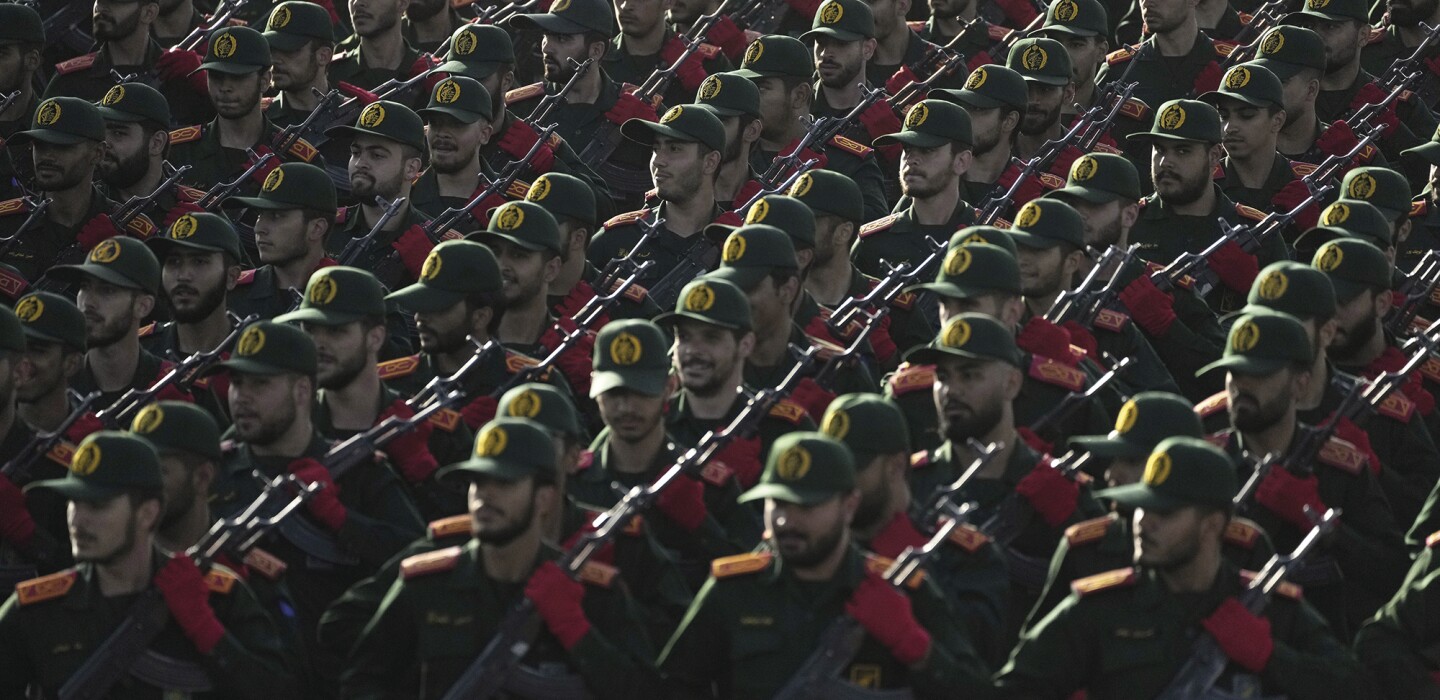
Recent airstrikes attributed to the United States and Israel have targeted Iranian officials, raising questions about the stability of the regime and the role of its extensive security apparatus. Although reports initially suggested the potential targeting of Supreme Leader Ayatollah Ali Khamenei, these claims remain unconfirmed. However, the strikes have brought renewed attention to the complex network of security forces that underpin the Iranian government and its potential vulnerabilities.
The Iranian regime’s survival is heavily reliant on a vast and multifaceted security infrastructure. This system, built over decades, is designed to suppress dissent, maintain internal control, and project power regionally. Understanding the structure and function of this “secret army,” as some analysts have termed it, is crucial to assessing the regime’s resilience in the face of escalating tensions and potential threats. The recent events underscore the delicate balance of power within Iran and the potential for both internal and external pressures to destabilize the current political order.
The Structure of Iran’s Security Apparatus
Iran’s security landscape is characterized by a layered and often overlapping network of organizations. At the apex sits the Supreme National Security Council (SNSC), chaired by the President, but effectively controlled by the Supreme Leader. The SNSC coordinates security policy and oversees the various intelligence and military branches. Recent strikes have prompted increased scrutiny of this coordinating body and its response mechanisms.
Below the SNSC, several key organizations wield significant power. The Islamic Revolutionary Guard Corps (IRGC) is arguably the most influential, functioning as both a military force and a political entity. Established after the 1979 revolution, the IRGC is responsible for protecting the Islamic Republic and promoting its ideology both domestically and abroad. It operates independently of the regular armed forces and has extensive economic interests, giving it considerable leverage within the system. The IRGC’s Quds Force, a special operations unit, is responsible for extraterritorial operations and support for proxy groups in the region.
Alongside the IRGC, the Ministry of Intelligence and Security (MOIS) plays a critical role in internal security. The MOIS is responsible for intelligence gathering, counterintelligence, and suppressing domestic dissent. It operates a vast network of informants and maintains close ties with the judiciary and law enforcement agencies. The MOIS has been accused of human rights abuses, including torture and extrajudicial killings.
Other significant security actors include the Basij, a volunteer militia affiliated with the IRGC, which serves as a grassroots mobilization force; the Law Enforcement Forces of the Islamic Republic of Iran (LEF), responsible for maintaining public order; and various intelligence organizations affiliated with the military. This complex web of agencies often operates with overlapping mandates, creating both redundancy and potential for internal competition.
The Role of the IRGC and its Economic Power
The IRGC’s influence extends far beyond the military sphere. Through its control of vast economic enterprises, the IRGC has turn into a major player in the Iranian economy. These enterprises span a wide range of sectors, including oil and gas, construction, telecommunications, and finance. This economic power provides the IRGC with significant financial resources and political influence, allowing it to operate with a degree of autonomy from the government. Hezbollah’s warnings against attacks on Iran highlight the interconnectedness of regional security dynamics and the IRGC’s role in supporting allied groups.
The IRGC’s economic activities have been subject to international sanctions, particularly by the United States. These sanctions aim to disrupt the IRGC’s financial networks and limit its ability to fund destabilizing activities in the region. However, the IRGC has proven adept at circumventing sanctions through a variety of methods, including using front companies and engaging in illicit trade.
The IRGC’s economic power also allows it to reward its loyalists and maintain its grip on power. By controlling key economic sectors, the IRGC can provide employment and financial benefits to its supporters, creating a network of patronage that reinforces its authority. This economic control is a crucial element of the regime’s survival strategy.
Recent Events and Potential Implications
The recent airstrikes, while their precise targets and extent remain somewhat unclear, have raised concerns about a potential escalation of tensions between Iran and its adversaries. While initial reports suggested the targeting of Ayatollah Khamenei, Khamenei himself has claimed victory since a ceasefire, indicating a narrative of resilience. Regardless, the strikes demonstrate a willingness to directly target Iranian officials, potentially signaling a shift in strategy.
The impact of these strikes on the Iranian security apparatus is difficult to assess at this stage. While the strikes may have eliminated some key personnel, the underlying structure of the security forces remains largely intact. The regime is likely to respond by tightening security measures, increasing repression of dissent, and accelerating its efforts to develop its military capabilities.
The strikes also raise questions about the future of the Iran nuclear deal, formally known as the Joint Comprehensive Plan of Action (JCPOA). The JCPOA, which was designed to limit Iran’s nuclear program in exchange for sanctions relief, has been in a state of limbo since the United States withdrew from the agreement in 2018. The recent escalation of tensions could further complicate efforts to revive the deal.
Key Takeaways
- Iran’s regime relies heavily on a complex and layered security apparatus for its survival.
- The Islamic Revolutionary Guard Corps (IRGC) is the most influential security organization, wielding significant military, political, and economic power.
- Recent airstrikes have targeted Iranian officials, raising concerns about a potential escalation of tensions.
- The future of the Iran nuclear deal remains uncertain in light of these developments.
Looking ahead, the situation remains highly volatile. The Iranian regime is likely to continue to pursue its regional ambitions and resist external pressure. The international community will demand to carefully calibrate its response to avoid further escalation while also holding Iran accountable for its destabilizing activities. The resilience of the Iranian security apparatus will be a key factor in determining the future trajectory of the country and the region.
Further updates on this developing situation will be provided as they become available. Readers are encouraged to share their thoughts and perspectives in the comments section below.
Worth a look