Iran Appeals to UN Security Council to Halt Escalating Conflict
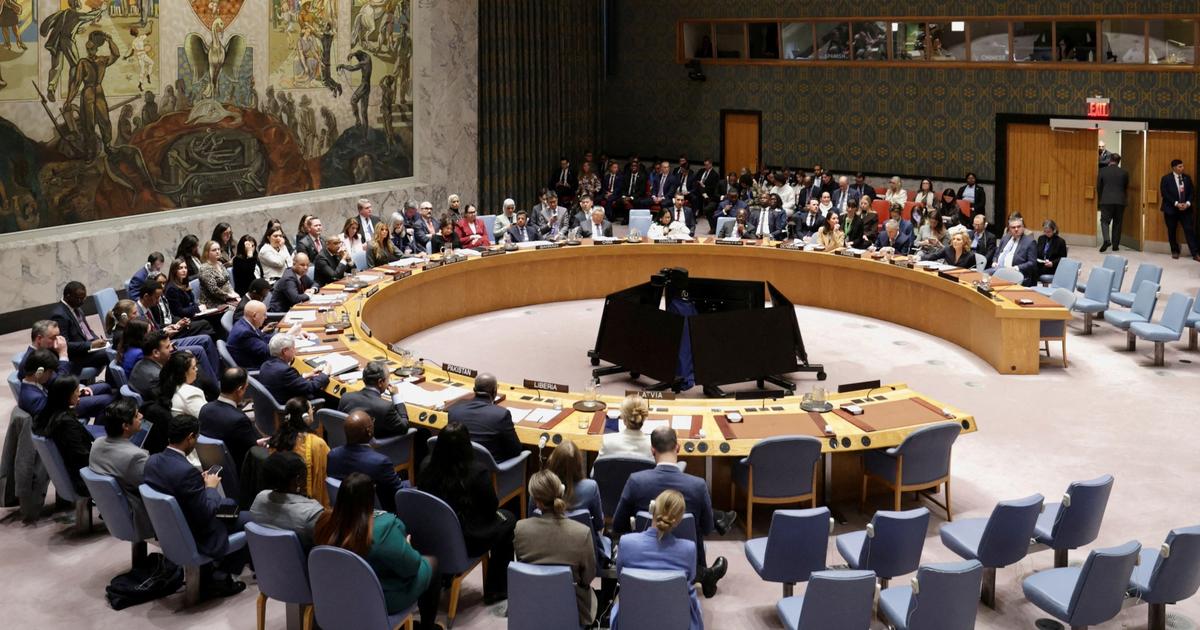
Tehran has formally requested the United Nations Security Council to intervene and halt the ongoing conflict involving Iran, the United States, and Israel. The appeal, made on Tuesday, March 3, 2026, underscores the escalating tensions in the region and Iran’s growing concern over the trajectory of the conflict. This move comes amidst reports of direct strikes on Iranian soil, specifically targeting Tehran and Beirut, and a significant surge in global energy prices, reflecting the instability gripping the Middle East.
Speaking at a press conference, Iranian Foreign Ministry spokesperson Esmaïl Baghaï stated that the Security Council “can act” and has a “duty” to do so if it chooses. He further asserted that there is “no obstacle to its action, except its own will.” This statement reflects a pointed criticism of the Council’s perceived inaction and a call for decisive measures to de-escalate the situation. The appeal signals a shift in Iran’s diplomatic strategy, directly addressing the international body responsible for maintaining global peace and security. The situation is further complicated by reports of 50 ships with French interests blocked in the Gulf, adding another layer of international concern.
Escalation of Hostilities and Regional Impact
The current conflict represents a significant escalation of long-standing tensions between Iran and its regional adversaries, particularly Israel and the United States. While the specific origins of the recent hostilities are complex, they stem from a confluence of factors, including Iran’s nuclear program, its support for regional proxies, and its broader geopolitical ambitions. The United States has urged its citizens to depart the Middle East immediately, highlighting the perceived danger to American nationals in the region. This advisory underscores the severity of the situation and the potential for further escalation.
The impact of the conflict extends beyond the immediate combatants. The surge in European gas prices – a jump of over 30% – demonstrates the economic repercussions of the instability. Disruptions to energy supplies could have far-reaching consequences for global markets and economies. The conflict also raises concerns about the potential for wider regional involvement, drawing in other nations and exacerbating existing geopolitical fault lines. The situation demands careful diplomatic maneuvering to prevent a broader conflagration.
The Role of the UN Security Council
The UN Security Council is the primary body within the United Nations charged with the maintenance of international peace and security. It has the authority to authorize a range of actions, including peacekeeping operations, sanctions, and the use of force, to address threats to global stability. However, the Council’s effectiveness is often hampered by political divisions among its permanent members – China, France, Russia, the United Kingdom, and the United States – each possessing veto power.
Iran’s appeal to the Security Council places the onus on these powerful nations to take action. Whether the Council will be able to overcome its internal divisions and respond effectively remains to be seen. The historical record of the Council’s interventions in the Middle East is mixed, with successes and failures alike. The current situation presents a particularly challenging test of the Council’s ability to address a complex and volatile conflict. The call for action from Iran is a direct challenge to the Council’s authority and a plea for international intervention to prevent further bloodshed.
International Reactions and Diplomatic Efforts
Beyond Iran’s direct appeal, the international community is closely monitoring the situation. Several nations have issued statements calling for de-escalation and a return to diplomatic solutions. However, concrete actions have been limited, reflecting the complexities of the geopolitical landscape and the divergent interests of various stakeholders. The United States, a key ally of Israel, has reiterated its commitment to Israel’s security while also urging restraint. Other nations, including European countries, are attempting to mediate between the parties, but progress has been slow.
The lack of a unified international response underscores the challenges of resolving the conflict. The involvement of multiple actors, each with its own agenda and priorities, complicates the diplomatic process. The deep-seated mistrust between Iran and its adversaries makes it difficult to find common ground. The situation requires a concerted effort from all parties to prioritize dialogue and compromise in order to avert a wider regional war. The potential for miscalculation and unintended consequences is high, making diplomatic engagement all the more crucial.
Looking Ahead: Potential Scenarios and Next Steps
The immediate future remains uncertain. Several scenarios are possible, ranging from a negotiated ceasefire to a further escalation of hostilities. A key factor will be the response of the UN Security Council to Iran’s appeal. If the Council fails to take meaningful action, Iran may sense compelled to take matters into its own hands, potentially leading to a more direct confrontation with the United States and Israel. Alternatively, a diplomatic breakthrough could lead to a ceasefire and the resumption of negotiations.
The next few days and weeks will be critical in determining the course of the conflict. International observers will be closely watching for any signs of de-escalation or further escalation. The potential for miscalculation remains high, and the risk of a wider regional war is real. The international community must redouble its efforts to promote dialogue and find a peaceful resolution to this dangerous situation. The situation is fluid, and further developments are expected as the conflict unfolds.
As of March 3, 2026, the UN Security Council has scheduled an emergency closed-door meeting to discuss Iran’s appeal. The outcome of this meeting will be a key indicator of the international community’s willingness to address the escalating conflict. World Today Journal will continue to provide updates as the situation develops.
What are your thoughts on the escalating conflict in Iran? Share your comments below and share this article with your network.
Keep reading