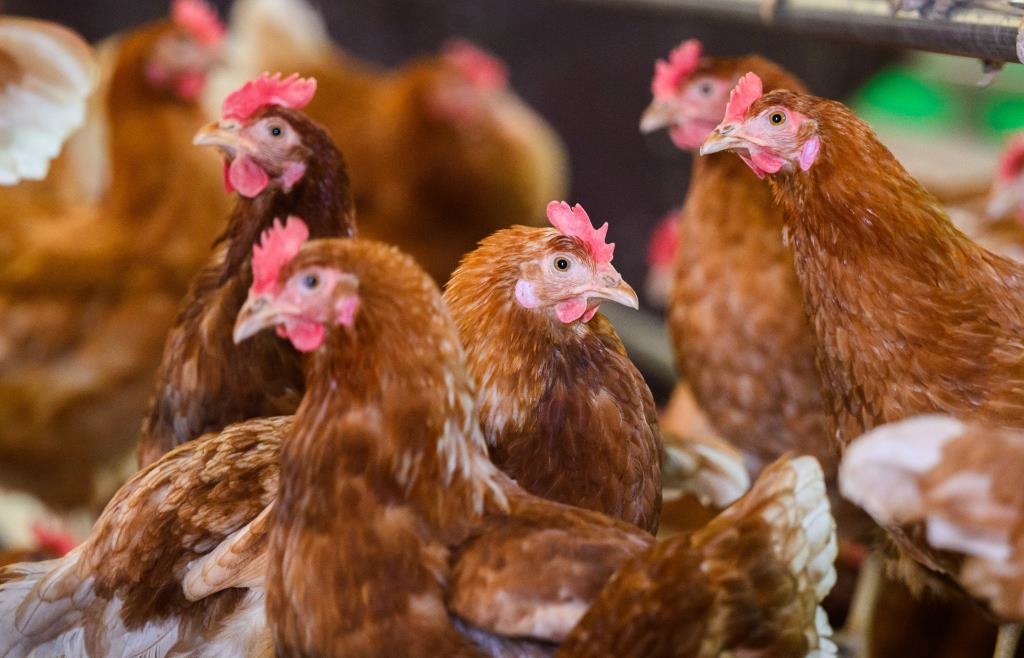
Newcastle Disease Outbreak Leads to Culling of 100,000 Laying Hens in Bavaria
A highly contagious viral disease, Newcastle disease, has prompted the culling of 100,000 laying hens at a large farm in the Erding district of Bavaria, Germany. Authorities have expanded protective and surveillance zones around the affected farm as they operate to prevent further spread of the disease, which, while not a threat to human health, can devastate poultry populations. The outbreak underscores the ongoing vulnerability of poultry farms to infectious diseases and the swift, decisive action required to contain them.
The initial detection of Newcastle disease, also known as atypical avian influenza, occurred last week at the farm. Following confirmation by veterinary authorities, the legally mandated culling of the entire flock was immediately implemented. The expanded surveillance and protection zones now encompass a wider area, with increased monitoring of poultry holdings in the region. This proactive approach aims to identify and isolate any potential latest cases before they can escalate.
What is Newcastle Disease?
Newcastle disease is a viral infection that affects a wide range of bird species, including chickens, turkeys, pigeons, and parrots. The virus, known as APMV-1, causes a variety of symptoms, including respiratory distress, neurological signs, and paralysis. In many cases, the disease is fatal, leading to significant economic losses for poultry farmers. According to the Friedrich Loeffler Institute (FLI), the disease can rapidly spread through direct contact between birds, or via contaminated feed, water, and equipment.
While the term “avian influenza” is often used interchangeably with “bird flu,” Newcastle disease is distinct. Still, both diseases pose a significant threat to poultry industries worldwide. The FLI has confirmed the disease in one of five sites at the affected farm, with four additional sites currently under investigation as suspected cases.
Expanded Surveillance and Control Measures
The Erding district administration has implemented a tiered system of control zones. A three-kilometer radius protection zone has been established, encompassing parts of the municipalities of Inning, Taufkirchen, Bockhorn, Dorfen, and Fraunberg. Within this zone, all 120 poultry farms and holdings will be subject to thorough inspections. A wider surveillance zone extends beyond the protection zone, covering an additional 540 poultry operations. These measures include strict biosecurity protocols, restrictions on the movement of poultry, and mandatory reporting of any suspected cases.
The legally mandated culling of infected birds is a critical component of controlling the outbreak. According to German law, the “keuling” (culling) of animals on an affected farm is required upon confirmation of Newcastle disease. This drastic measure aims to eliminate the virus reservoir and prevent further transmission.
Public Health Considerations
Authorities emphasize that Newcastle disease poses no known risk to human health. The Bavarian State Office for Health and Food Safety (LGL) has confirmed that the virus does not infect humans. However, the economic impact on the poultry industry and the potential for disruption to food supply chains are significant concerns. The LGL advises poultry farmers to promptly report any signs of illness in their flocks to the local veterinary office.
The surveillance zone extends primarily within the Erding district, with a smaller portion extending into the neighboring districts of Landshut and Freising. This expanded monitoring is intended to provide a comprehensive assessment of the disease’s prevalence and to identify any potential spread beyond the initial outbreak location.
Impact on Poultry Farmers and the Regional Economy
The culling of 100,000 laying hens represents a substantial loss for the affected farm and has ripple effects throughout the regional poultry industry. The implementation of strict biosecurity measures and movement restrictions adds to the operational challenges faced by poultry farmers in the affected areas. The economic consequences of the outbreak are likely to be felt across the supply chain, potentially impacting egg prices and availability.
The outbreak also highlights the importance of proactive disease prevention measures, including vaccination programs, improved biosecurity practices, and robust surveillance systems. Investing in these areas is crucial for protecting the poultry industry and ensuring a stable food supply.
What Happens Next?
The Erding district veterinary office will continue to monitor the situation closely, conducting inspections of poultry farms within the surveillance and protection zones. Further testing will be conducted to determine the extent of the outbreak and to identify any additional infected premises. Authorities will also assess the effectiveness of the control measures and adjust them as needed.
Poultry farmers in the affected areas are urged to remain vigilant and to adhere to all biosecurity protocols. The LGL provides guidance and resources to help farmers prevent the spread of Newcastle disease and other poultry diseases. The situation remains fluid, and updates will be provided as new information becomes available.
The next official update from the Erding district administration regarding the Newcastle disease outbreak is expected on March 7, 2026. Poultry farmers and concerned citizens can find the latest information and guidance on the district’s official website.
Have your say: What measures do you suppose are most effective in preventing the spread of poultry diseases? Share your thoughts in the comments below, and please share this article with your network.