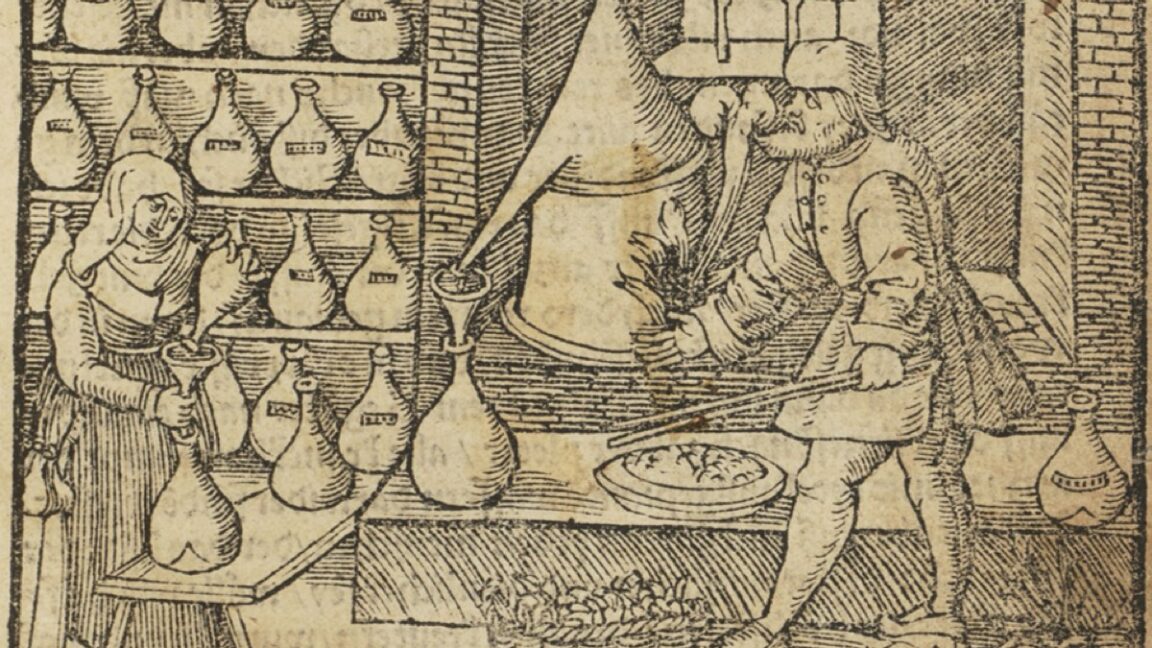
The past is rarely silent, but often its whispers are faint, obscured by time and the limitations of historical record. Now, a new interdisciplinary approach—combining historical research with advanced proteomics—is allowing scientists to “read” the past in a remarkably direct way: by analyzing the chemical traces left behind in centuries-old books. Recent research, focused on 16th-century medical manuals, is revealing not just *what* remedies were prescribed during the Renaissance, but also *which* ingredients were actually used, offering a fascinating glimpse into the realities of medical practice and patient experience.
This isn’t simply confirming what historical texts *say* was used; it’s demonstrating what was physically present, absorbed into the pages of these books over hundreds of years. The findings, published in the American Historical Review in 2025, are challenging long-held assumptions about Renaissance medicine and opening up entirely new avenues for historical inquiry. The ability to detect proteins and other biomolecules offers a unique window into the past, moving beyond written recipes to reveal the tangible reality of medical treatments.
Unlocking Renaissance Remedies Through Protein Analysis
The research, centered around two medical manuals penned by German ophthalmologist Bartholomäus Vothgerr in 1531 – *How to Cure and Expel All Afflictions and Illnesses of the Human Body* and *A Useful and Essential Little Book of Medicine for the Common Man* – involved analyzing fingerprints and other residue left on the pages. Researchers at the John Rylands Research Institute and Library at the University of Manchester employed proteomics, the large-scale study of proteins, to identify the compounds present. This represents a relatively new application of the technology, and the results have been surprisingly detailed.
The analysis confirmed the presence of ingredients frequently mentioned in Renaissance recipes, including European beech, watercress, and rosemary. These were often associated with treatments for ailments like hair loss, which was, at the time, attributed to an “overheated brain.” But the analysis went far beyond confirming the expected. Traces of cabbage, radish oil, chicory, and even more unusual components like lizards and, remarkably, human feces were also detected. The presence of these ingredients, particularly the more unconventional ones, underscores the desperation and breadth of medical practices during that era. The use of human feces in medicine, while shocking by modern standards, was not uncommon in historical contexts, often based on the humoral theory of medicine which sought to balance bodily fluids.
Beyond the ingredients themselves, the research also revealed insights into the preparation and application of these remedies. The detection of collagen peptides from hippopotamus teeth or bone, for example, demonstrates the surprisingly extensive trade networks that existed in the 16th century, bringing exotic ingredients from distant lands to European apothecaries, and patients. Hippo teeth were believed to possess curative properties for conditions ranging from kidney stones to toothaches and were even used in the creation of dentures. Smithsonian Magazine reports on this fascinating discovery.
The Science Behind the Symptoms: Immune Response and Antimicrobial Properties
The protein analysis wasn’t limited to identifying ingredients; it also provided clues about how the body responded to these treatments. Researchers found traces of immunoglobulin, lipocalin, and lysozyme – all indicators of an active immune response. This suggests that the remedies, even the seemingly bizarre ones, were eliciting a biological reaction in patients. The team identified proteins with antimicrobial functions, such as dermcidin, a peptide derived from human sweat glands known to kill *E. Coli* and yeast infections like thrush. This suggests that some Renaissance remedies may have possessed genuine, albeit likely unintentional, antibacterial or antifungal properties.
The discovery of dermcidin is particularly intriguing, as it suggests that some Renaissance practitioners may have stumbled upon compounds with legitimate medicinal value, even without understanding the underlying scientific principles. This highlights the importance of empirical observation and experimentation in the development of medical knowledge, even in the absence of modern scientific methodology. The presence of antimicrobial proteins also raises questions about the role of hygiene and infection control in Renaissance medicine, and whether some remedies were inadvertently combating bacterial or fungal infections.
Hair Loss Treatments: From “Overheated Brain” to R-Spondin 1
The analysis of remedies specifically targeting hair loss yielded particularly interesting results. The presence of watercress alongside hair loss treatments is notable, as modern research has demonstrated its potential benefits for hair growth. A study published in PubMed in 2022 investigated the effect of watercress extract on the secretion of R-spondin 1 (RSPO1) and Dickkopf-1 (DKK1), proteins involved in hair follicle regulation. The study found that watercress extract upregulated RSPO1 secretion and suppressed DKK1 secretion, leading to increased hair thickness and density in clinical trials. This suggests that Renaissance practitioners may have unknowingly harnessed the beneficial properties of watercress for treating hair loss.
The historical understanding of hair loss, often attributed to an “overheated brain,” seems far removed from modern dermatological science. However, the use of ingredients like watercress, alongside others like beech and rosemary, suggests a more nuanced approach to treatment than previously assumed. The detection of these compounds in the residue of hair loss remedies provides compelling evidence that Renaissance practitioners were actively seeking ingredients with potential therapeutic effects, even if their understanding of the underlying mechanisms was limited.
Expanding the Scope of Historical Proteomics
The success of this initial research has spurred interest in applying proteomics to a wider range of historical medical texts. Researchers are planning to expand the study to include other collections of medical manuals, aiming to build a more comprehensive understanding of Renaissance medical practices. They are also working to refine the dating methodology used in the analysis, improving the accuracy of their findings. According to researchers, the “ingredients for success are there,” not only in answering old questions but also in posing entirely new ones about the past.
This interdisciplinary approach, combining historical scholarship with cutting-edge scientific techniques, represents a significant advancement in the field of historical research. By “reading” the chemical traces left behind in ancient texts, scientists are gaining a deeper and more nuanced understanding of the past, challenging conventional wisdom and revealing the hidden realities of medical practice and patient experience. The potential for this type of research extends far beyond medicine, offering new insights into other aspects of historical life, such as diet, hygiene, and trade.
Key Takeaways
- Proteomic analysis of Renaissance medical manuals is revealing the actual ingredients used in historical remedies, not just those listed in texts.
- The research confirms the use of both common and exotic ingredients, including human feces and hippopotamus teeth, highlighting the diverse range of medical practices during the 16th century.
- The detection of proteins with antimicrobial properties suggests that some Renaissance remedies may have possessed genuine medicinal value.
- Modern research on watercress extract supports the historical use of this ingredient for treating hair loss, demonstrating a potential link between traditional remedies and modern science.
- This interdisciplinary approach opens up new avenues for historical research, allowing scientists to “read” the past in a more direct and informative way.
The ongoing research promises to continue shedding light on the complexities of Renaissance medicine and the ingenuity of practitioners who sought to alleviate suffering in a world without the benefit of modern scientific knowledge. Researchers are currently seeking funding to expand this project and analyze a larger collection of historical medical texts. Further updates on this research will be published in the American Historical Review as they become available.
What other secrets might be hidden within the pages of history, waiting to be unlocked by the power of modern science? Share your thoughts in the comments below, and don’t forget to share this article with your network.
Keep reading