Venezuela Imposes Yellow Fever Vaccination Requirement Amid Rising Cases
Health authorities in Venezuela are implementing mandatory yellow fever vaccinations for travelers visiting four states – Barinas, Aragua, Lara, and Portuguesa – as the country grapples with a recent surge in cases of the mosquito-borne viral disease. The requirement, announced by the government, stipulates that individuals must receive the vaccination at least ten days prior to travel, particularly for those planning visits during the upcoming Semana Santa (Holy Week) holiday. This measure underscores growing concerns about public health and the potential for wider transmission, especially as travel increases during peak seasons.
The decision to mandate vaccination comes as Venezuela reports a confirmed total of 36 yellow fever cases since June of last year, prompting a heightened state of alert. Authorities are prioritizing surveillance and vaccination efforts in 22 parishes across the affected states, with a particular focus on Barinas, where a significant number of cases have been identified. While officials have stated that Caracas is currently free from the virus, the broader national response aims to prevent further spread and protect both residents and visitors. This situation highlights the ongoing challenges of infectious disease control in the region and the importance of proactive public health measures.
Understanding the Yellow Fever Threat
Yellow fever is an acute viral hemorrhagic disease transmitted by infected mosquitoes. The illness can range from mild to severe, with symptoms including fever, headache, jaundice, muscle pain, and in severe cases, bleeding, organ failure, and death. There is no specific treatment for yellow fever; vaccination is the most effective means of prevention. The virus is endemic in parts of Africa and South America, and outbreaks can occur when unvaccinated populations are exposed to infected mosquitoes. The World Health Organization (WHO) estimates that yellow fever causes approximately 30,000 deaths annually globally. More information about yellow fever can be found on the WHO website.
The recent resurgence of yellow fever in Latin America, beginning in late 2024, has prompted increased vigilance and vaccination campaigns across the region. Venezuela’s response, including the mandatory vaccination requirement, aligns with regional efforts to contain the spread of the disease. The Pan American Health Organization (PAHO) has been working closely with affected countries to provide technical assistance and support vaccination programs. The current outbreak underscores the vulnerability of populations with limited access to vaccination and the importance of maintaining high immunization coverage.
Vaccination Campaign and Travel Advisory
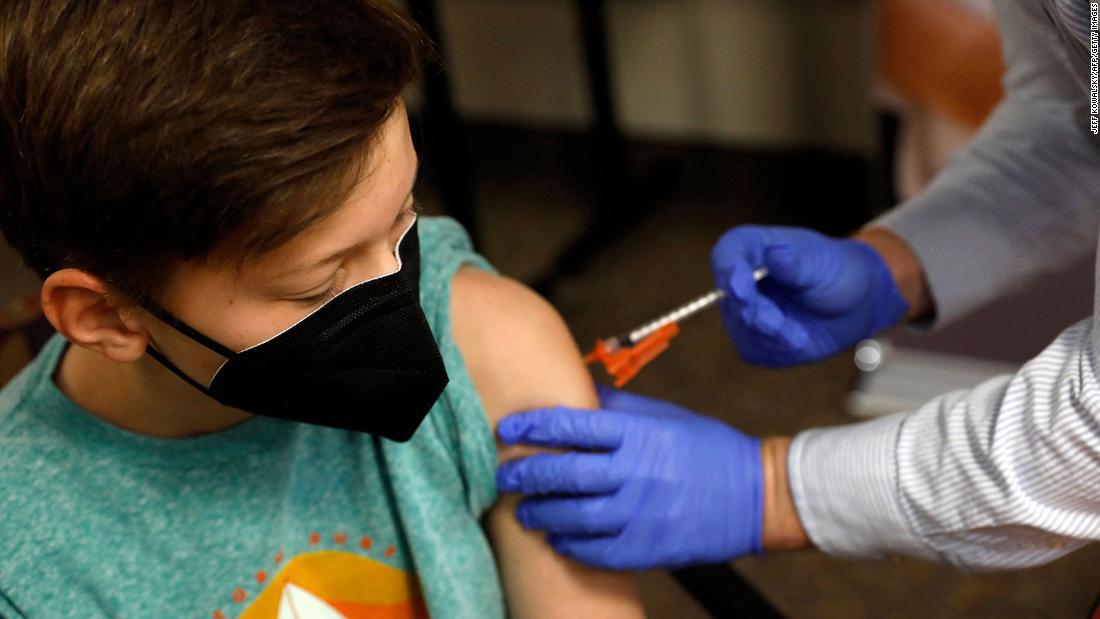
The Venezuelan government is actively procuring additional doses of the yellow fever vaccine to meet the increased demand resulting from the outbreak and the recent travel requirement. This effort is supported by international collaborations, with Venezuela having received vaccine donations from countries including India, South Korea, Russia, and Brazil in the past year. The Ministry of Health is urging residents in the affected states to seek vaccination at local health centers to bolster community immunity and curb transmission. Local reports indicate increased activity at vaccination centers in preparation for Semana Santa.
In addition to the vaccination requirement, travelers to Barinas, Aragua, Lara, and Portuguesa are advised to grab preventative measures against mosquito bites. These include wearing long sleeves and pants, using insect repellent containing DEET, and avoiding areas with high mosquito populations, particularly during dawn and dusk. The government has also activated a special epidemiological surveillance protocol to monitor the spread of the virus and respond effectively to new cases. Magda Magris, the viceministra for Collective Health Networks, emphasized the importance of citizen responsibility in preventing the spread of the disease, stating, “It is ideal for people to protect themselves with this vaccine that is given once in a lifetime.”
Challenges to Immunization Efforts
Despite the government’s efforts to bolster vaccination coverage, challenges remain. A report from the Venezuelan Society of Pediatrics and Childcare in 2024 indicated that the Expanded Program on Immunization (PAI) had not met its proposed coverage goals in the previous decade. This suggests potential gaps in immunization infrastructure and access, which could hinder the effectiveness of the current vaccination campaign. Addressing these challenges will be crucial to achieving widespread immunity and controlling the yellow fever outbreak. Factors contributing to these gaps may include logistical difficulties, vaccine hesitancy, and disruptions to healthcare services.
The influx of vaccine donations from various countries is a positive step, but ensuring equitable distribution and efficient administration remains a key priority. Collaboration with international organizations like PAHO and the WHO will be essential in strengthening the national immunization program and improving vaccine coverage rates. Public awareness campaigns are needed to educate communities about the importance of vaccination and dispel misinformation about the vaccine.
Impact on Semana Santa Travel
The mandatory vaccination requirement is expected to have a significant impact on travel plans during Semana Santa, a popular holiday period for domestic tourism in Venezuela. Many Venezuelans traditionally flock to recreational areas, including Playa Larga in Barinas, a canal used for swimming and leisure activities. Reports from last year reveal large crowds gathering at Playa Larga during Semana Santa. The new requirement may deter some travelers who are unvaccinated or unable to obtain the vaccine in time, potentially affecting local economies that rely on tourism revenue. However, health officials maintain that the measure is necessary to protect public health and prevent further spread of the virus.
Travelers planning to visit the affected states are advised to check the latest travel advisories and vaccination requirements before making their plans. It is also recommended to consult with a healthcare professional to determine if vaccination is appropriate and to receive guidance on preventative measures. The government has not indicated whether the vaccination requirement will be temporary or remain in effect indefinitely, suggesting that the situation will be continuously monitored and adjusted based on the evolving epidemiological landscape.
“Lo ideal es que las personas se protejan con esta vacuna que se coloca una vez en la vida”, dijo la viceministra para Redes de Salud Colectiva, Magda Magris -citada en la nota-, quien pidió “responsabilidad ciudadana antes de iniciar cualquier traslado turístico”.
The situation in Venezuela underscores the importance of global cooperation in addressing infectious disease outbreaks. Strengthening surveillance systems, improving access to vaccination, and promoting public health awareness are crucial steps in preventing and controlling the spread of yellow fever and other preventable diseases. The ongoing efforts in Venezuela, supported by international partners, represent a critical response to a growing public health challenge.
Authorities will continue to monitor the situation closely, and further updates will be provided as they turn into available. The next key development will likely be a report from the Ministry of Health detailing vaccination coverage rates in the affected states following the Semana Santa travel period. We encourage readers to share their experiences and concerns in the comments below and to stay informed about the latest developments regarding the yellow fever outbreak in Venezuela.