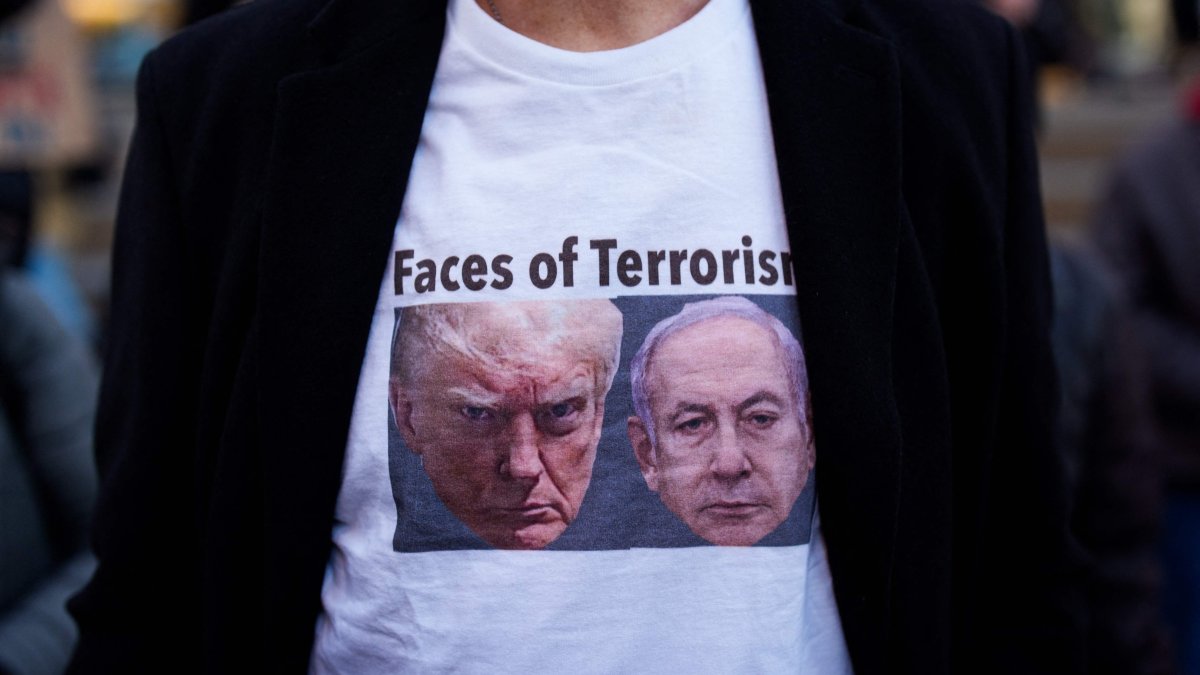
The Middle East is reeling from a significant escalation of conflict following a large-scale offensive launched by the United States and Israel against Iran on February 28, 2026. The strikes, which targeted military sites and reportedly killed Iranian Supreme Leader Ayatollah Ali Khamenei, have triggered retaliatory attacks from Iran, extending the conflict across the region and raising fears of a wider war. The immediate consequences are already being felt in global markets, particularly in energy and the long-term geopolitical implications are substantial. This unfolding crisis demands careful analysis, particularly regarding the economic fallout and the potential for further destabilization.
The coordinated attack by the U.S. And Israel was framed by former President Trump as a necessary measure to prevent Iran from developing nuclear weapons and to protect American interests. However, the legitimacy of the action under international law is being widely questioned, with critics pointing to the targeting of a head of state and the timing during the holy month of Ramadan as particularly concerning. The swift and forceful response from Iran, involving ballistic missile strikes against Israel and U.S. Facilities in several Gulf states, underscores the gravity of the situation and the potential for rapid escalation. The conflict is already impacting regional stability and global economic confidence.
The immediate economic impact is centered on energy markets. Concerns about disruptions to oil supplies, particularly through the Strait of Hormuz – a critical chokepoint for global oil shipments – have already driven up prices. This surge in oil prices is expected to have a ripple effect on economies worldwide, contributing to inflationary pressures and potentially slowing economic growth. Beyond oil, the conflict is disrupting trade routes and impacting investor confidence in the region, leading to increased risk aversion and capital flight. The Gulf countries, previously considered relatively safe havens for investment, are now facing heightened uncertainty.
The Economic Fallout: Oil, Trade, and Regional Investment
The most immediate and visible consequence of the escalating conflict is the impact on oil prices. According to reports, the potential closure of the Strait of Hormuz, through which approximately 20% of the world’s oil supply passes, is a major driver of price increases. The Council on Foreign Relations notes that any disruption to this vital waterway would have significant global repercussions. Brent crude oil futures have already seen a substantial jump, and further escalation could push prices even higher, exacerbating inflationary pressures in Europe and other oil-importing nations. The International Energy Agency (IEA) is closely monitoring the situation and assessing potential supply disruptions.
Beyond oil, the conflict is disrupting broader trade flows in the region. Shipping companies are rerouting vessels to avoid potential conflict zones, leading to increased transportation costs and delays. This disruption is particularly affecting trade with countries in the Gulf Cooperation Council (GCC), including Saudi Arabia, the United Arab Emirates, and Qatar. The U.S. Drone attacks on facilities in these countries, as reported by the Associated Press, are further undermining investor confidence and hindering economic activity. The AP reports that investors are hesitant to commit to recent projects in the region, fearing further escalation and potential damage to infrastructure.
The Gulf countries themselves are facing significant economic challenges. While they have substantial financial reserves, the conflict is damaging their reputation as stable and secure investment destinations. The targeting of U.S. Embassies and consulates in the region, as well as the direct attacks by Iran, are creating a climate of fear and uncertainty. This is likely to lead to a decline in foreign direct investment (FDI) and a slowdown in economic growth. The long-term consequences could be particularly severe for countries that rely heavily on tourism and trade.
Geopolitical Implications and the Role of International Actors
The U.S.-Israel offensive against Iran represents a significant shift in regional dynamics. The decision to directly target Iran’s leadership, specifically Ayatollah Ali Khamenei, is a departure from traditional norms of international relations and carries substantial risks. The United Nations Secretary-General António Guterres has condemned the military escalation, emphasizing that it undermines international peace and security and violates the UN Charter. UN News reported that Guterres called for an immediate cessation of hostilities and warned of a wider regional conflict with grave consequences.
The response from the European Union has been muted, with many EU officials appearing to align with the U.S. Position and criticizing Iran’s policies. This lack of a strong, independent European voice has been criticized by some observers, who argue that the EU should be playing a more active role in de-escalating the conflict and promoting a diplomatic solution. The ineffectiveness of the EU in this crisis highlights the challenges facing the bloc in navigating complex geopolitical issues.
The conflict as well has implications for the broader balance of power in the Middle East. China and Russia, both of which have close ties with Iran, have expressed concern over the escalation and called for restraint. However, their ability to influence the situation is limited. The conflict could potentially strengthen the position of China and Russia in the region, as the U.S. And its allies become increasingly entangled in the crisis. The U.S. And Israel’s actions have also damaged their comparative advantages vis-à-vis China and Russia, as they have spent billions of dollars during these attacks.
The Impact on Iran’s Economy
Iran’s economy has already been severely weakened by decades of U.S. Sanctions. The recent attacks are likely to exacerbate these challenges, causing further damage to infrastructure and disrupting economic activity. The loss of Ayatollah Ali Khamenei and other high-level officials, as reported in initial news coverage, could create a period of political instability, further hindering economic recovery. While some analysts suggest that the attacks could potentially lead to a consolidation of the Iranian regime, the long-term economic consequences are likely to be negative.
The disruption to oil production and exports will have a significant impact on Iran’s revenue. The country is heavily reliant on oil sales to finance its economy, and any reduction in exports will worsen its economic woes. The attacks on military sites and infrastructure are also likely to disrupt other key sectors of the economy, such as manufacturing and agriculture. The World Bank and the International Monetary Fund (IMF) are closely monitoring the situation and assessing the potential impact on Iran’s economy.
Looking Ahead: De-escalation and Potential Scenarios
The immediate priority is to de-escalate the conflict and prevent a wider regional war. Diplomatic efforts are underway, but the prospects for a quick resolution are slim. The U.S. And Israel are likely to continue their military pressure on Iran, while Iran is expected to retaliate against further attacks. The situation is highly volatile and could easily spiral out of control.
Several potential scenarios could unfold in the coming weeks and months. One possibility is that the conflict will remain contained to a series of limited exchanges between Iran, Israel, and the U.S. However, the risk of miscalculation and unintended escalation is high. Another possibility is that the conflict will expand to involve other regional actors, such as Saudi Arabia, Turkey, and Lebanon. This could lead to a full-scale regional war with devastating consequences.
The long-term implications of the conflict are uncertain. However, the Middle East will remain a volatile and unstable region for the foreseeable future. The conflict has exposed the deep-seated tensions and rivalries that underlie the region’s political landscape. It has also highlighted the limitations of current diplomatic efforts and the require for a new approach to regional security.
The next key development to watch will be the outcome of ongoing diplomatic efforts, particularly any potential negotiations between the U.S., Iran, and other regional powers. The international community must prioritize de-escalation and work towards a peaceful resolution to this dangerous crisis. The situation remains fluid, and further developments are expected in the coming days.
What are your thoughts on the economic implications of this conflict? Share your insights and perspectives in the comments below. Don’t forget to share this article with your network to keep the conversation going.
Worth a look