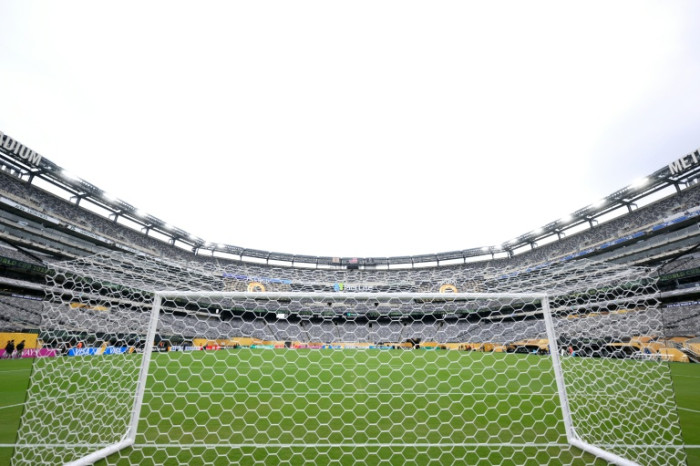
The anticipation surrounding the 2026 FIFA World Cup, set to be jointly hosted by the United States, Canada, and Mexico, is increasingly shadowed by geopolitical instability and domestic political tensions. With just over 100 days until the opening kickoff, concerns are mounting over the potential impact of ongoing conflicts, particularly the escalating situation in the Middle East, and increasingly restrictive immigration policies in the US, on the tournament’s atmosphere and accessibility. The event, expanded to a 48-team format with 104 matches, had been projected to generate significant economic benefits and foster international goodwill, but recent developments threaten to undermine these expectations.
The confluence of these challenges presents a complex logistical and diplomatic undertaking for FIFA and the host nations. Whereas organizers continue to express confidence in the tournament’s success, the realities on the ground – from potential boycotts by participating nations to anxieties surrounding travel and security – are raising serious questions about the event’s ability to live up to its promise of a unifying global spectacle. The shadow of political turmoil looms large, potentially impacting not only the experience for fans but too the overall image of the World Cup as a celebration of international cooperation.
Geopolitical Tensions Cast a Shadow Over the Tournament
Recent escalations in international conflicts are directly impacting the preparations for the 2026 World Cup. Reports indicate a significant deterioration in relations between the United States and Iran, fueled by recent military actions. While details surrounding these actions are still developing, the situation has prompted warnings from the Iranian Football Federation regarding their potential participation in the tournament. Mehdi Taj, head of the Iranian Football Federation, stated that the nation could refuse to play, expressing a lack of optimism given the current climate. This potential boycott raises significant logistical and competitive concerns for FIFA, as Iran is a qualified nation for the expanded 48-team tournament.
Beyond the immediate crisis involving Iran, broader geopolitical tensions are contributing to a sense of unease. The ongoing conflict in Ukraine continues to strain relations between the US and Russia, and the US’s complex relationship with China adds another layer of uncertainty. These tensions are not directly related to the World Cup, but they contribute to a global atmosphere of instability that could affect travel and security arrangements. FIFA President Gianni Infantino acknowledged the challenging global context in a recent statement marking 100 days to the tournament, emphasizing the importance of the World Cup as a moment for global unity, but notably avoiding direct mention of the conflicts themselves.
US Immigration Policies and Visa Concerns
Domestically, the United States’ increasingly stringent immigration policies are creating anxiety among international fans hoping to attend the World Cup. A recent policy change saw the US freeze immigrant visas for citizens of 75 countries, including four nations that have qualified for the tournament: Iran, Haiti, Senegal, and Ivory Coast. While the White House maintains that tourist visas are unaffected and that ticket holders may benefit from expedited appointments, concerns remain about the potential for delays and denials. The uncertainty surrounding visa applications is already impacting travel plans, with fans expressing fears about potential mistreatment upon arrival at US airports.
Delta Air Lines CEO Ed Bastian recently attempted to reassure potential travelers, stating that individuals “coming with the proper credentials” should not encounter issues. However, this assurance does little to alleviate the concerns of fans from the affected countries who face a more complex and uncertain visa application process. The situation is particularly dire for Haitian fans, as the issuance of tourist visas for citizens of Haiti has been suspended since June of last year. This effectively bars many Haitian supporters from attending matches held in the US, despite their nation’s participation in the tournament.
concerns extend beyond visa applications to the potential for increased scrutiny and discrimination at US ports of entry. Reports of Immigration and Customs Enforcement (ICE) operations and instances of alleged mistreatment have fueled fears that legally compliant visitors could be targeted based on their ethnicity or national origin. Julien Adonis Kouadio, president of the official Ivorian supporters’ committee, expressed concern that the current system could prevent fans from fully enjoying the celebratory atmosphere of the World Cup, stating, “We must not impose too many restrictions that prevent people from letting loose.”
Security Concerns in Mexico Add to the Challenges
The security situation in Mexico, another host nation for the 2026 World Cup, is also raising concerns. Recent violence in Guadalajara, a city scheduled to host four matches, has prompted questions about the safety of fans traveling to the country. A weekend of intense clashes between security forces and suspected cartel members resulted in at least 27 security force agents, 46 suspected cartel members, and one civilian dead, leading to a quasi-lockdown of the city. This escalation of violence underscores the ongoing challenges Mexico faces in combating organized crime and ensuring the safety of its citizens and visitors.
Despite these concerns, both FIFA and Mexican President Claudia Sheinbaum have expressed confidence that the matches will proceed as planned in Mexico. Sheinbaum insists there is “no risk” to fans, but the recent events raise legitimate questions about the adequacy of security measures and the potential for further disruptions. The situation in Guadalajara highlights the necessitate for close collaboration between Mexican authorities and FIFA to ensure the safety and security of all participants and attendees.
Trump Administration Policies and International Relations
The current political climate in the United States, under the leadership of President Donald Trump, is further complicating preparations for the World Cup. Trump’s administration has pursued a series of policies that have strained international relations, including a trade war with numerous countries and threats to intervene militarily in neighboring nations. These actions have created a perception of the US as less welcoming and more unpredictable, potentially deterring some fans from traveling to the country.
Trump’s rhetoric and policies have also exacerbated divisions within the US itself. His anti-immigrant stance and the actions of ICE have sparked widespread protests and fueled fears among immigrant communities. This internal polarization could create a tense atmosphere during the World Cup, potentially impacting the overall experience for visitors. The administration’s strained relationships with key allies, including European nations, further complicate the logistical and diplomatic challenges of hosting a major international event.
Looking Ahead: Key Dates and Ongoing Monitoring
As the 2026 World Cup draws closer, several key dates and developments will be crucial to monitor. The ongoing situation in the Middle East will require careful attention, as any further escalation could lead to additional disruptions. The US government’s immigration policies and visa processing procedures will also be closely watched, as any changes could significantly impact the ability of fans from affected countries to attend the tournament. Similarly, the security situation in Mexico will need to be continuously assessed, with ongoing efforts to ensure the safety of fans and participants.
FIFA and the host nations will need to maintain open communication and collaborate effectively to address these challenges. Transparency and proactive communication with fans and stakeholders will be essential to building trust and mitigating concerns. The success of the 2026 World Cup hinges not only on the quality of the matches but also on the ability to create a safe, welcoming, and inclusive environment for all participants and attendees.
The next major checkpoint will be the FIFA Congress scheduled for May 2026 in Bangkok, where updates on security protocols and visa facilitation measures are expected to be presented. Stay informed about the latest developments by visiting the official FIFA website: https://www.fifa.com/. We encourage readers to share their thoughts and concerns in the comments below.
Related reading