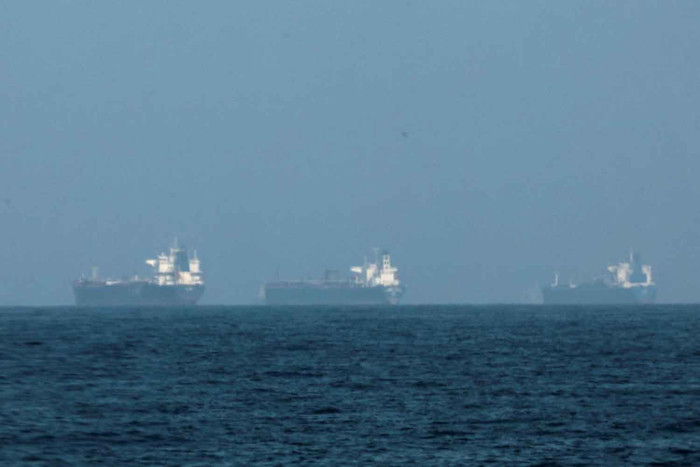
London, United Kingdom – The United States is taking increasingly assertive steps to safeguard global energy supplies amid escalating tensions in the Middle East, with President Donald Trump announcing potential military escorts for oil tankers transiting the Strait of Hormuz and authorizing financial support to mitigate rising insurance costs. The moves come in response to disruptions to oil tanker shipments following recent strikes and heightened security risks in the critical waterway, a chokepoint for approximately 20% of the world’s oil supply. The situation is further complicated by ongoing conflict and threats to regional stability, prompting concerns about potential supply shortages and price spikes.
The Trump administration’s response centers on ensuring the continued flow of energy to the global market, a key component of the President’s economic messaging. The U.S. International Development Finance Corporation (DFC) will provide political risk insurance and financial guarantees for maritime trade in the Gulf, aiming to encourage shipping companies to continue operations despite the increased dangers. This action echoes past U.S. Interventions during times of heightened maritime risk, such as during the Iran-Iraq War in the 1980s and following the September 11, 2001 attacks, when Washington provided naval escorts and insurance policies to maintain shipping lanes. The current situation, however, presents a unique challenge given the complex geopolitical landscape and the potential for direct confrontation.
Escalating Tensions and the Threat to Global Oil Supplies
The recent surge in tensions stems from a series of strikes and incidents in the Strait of Hormuz and surrounding waters. These events, occurring after U.S. And Israeli forces began striking targets within Iran, have led to damage to tankers and disruptions to oil shipments. Shipping companies are reassessing their exposure to the region, with war-risk premiums increasing significantly and some providers scaling back or withdrawing coverage altogether. This increase in insurance costs adds to the financial burden of navigating the area, prompting some operators to delay voyages or seek alternative, longer routes, potentially impacting delivery times and overall supply. The United Kingdom Maritime Trade Operations (UKMTO) and regional authorities have reported multiple maritime incidents described as “attacks,” further exacerbating the sense of insecurity.
The Strait of Hormuz, situated between Iran and Oman, is a strategically vital waterway. Disruptions to traffic through this narrow passage can have significant consequences for global energy markets. The potential for Iran to restrict or close the Strait has long been a concern, and recent events have heightened those fears. While the U.S. Navy has occasionally escorted ships in sensitive waterways, the current situation demands a more robust response, given the scale of the potential disruption and the broader geopolitical implications. The presence of U.S. Naval forces in the region, including an aircraft carrier and 12 warships as of Monday, provides a degree of security, but these vessels are also actively engaged in strikes against Iran and intercepting missiles, potentially limiting their availability for escort duties.
U.S. Financial and Military Response
President Trump’s announcement signals a willingness to utilize both financial and military tools to prevent disruptions to global crude supplies. “No matter what, the United States will ensure the free flow of energy to the world,” Trump stated in a social media post. The DFC, established in 2019, partners with private investors to support projects in developing countries, and its involvement in providing insurance guarantees represents a significant intervention in the maritime shipping market. Treasury Secretary Scott Bessent and Energy Secretary Chris Wright were scheduled to meet with the President to finalize a comprehensive response plan, according to sources familiar with the discussions. The administration is also considering whether to tap the nation’s Strategic Petroleum Reserve, although officials have previously expressed reluctance to do so, reserving that option for a more severe crisis.
The potential for U.S. Navy escorts for oil tankers is a significant escalation, but also presents logistical challenges. The limited number of available warships, coupled with their existing commitments to strike operations, could strain resources. Naval escorts themselves could develop into targets for Iranian projectiles and small armed vessels, increasing the risk of direct confrontation. Multinational naval task forces, such as Combined Task Force 152 (CTF-152), currently commanded by Qatari forces, could potentially contribute to escort efforts, but their effectiveness would depend on the level of cooperation and coordination among participating nations.
Industry Response and Concerns
The shipping industry has reacted with cautious optimism to the U.S. Announcements, but many remain skeptical that these measures will be sufficient to fully mitigate the risks. Analysts suggest that insurance backstopping and military escorts may not be enough to calm shippers as long as fighting continues. Some industry sources have indicated that individual companies may seek to negotiate “deals with the Iranians” to secure exemptions for their ships, a practice that raises ethical and legal concerns. Rohit Rathod, a senior analyst with ship-tracking firm Vortexa, noted that while the U.S. Measures might allow some ships to pass through safely, attacks could still occur. Fox News reported that ships are attempting to depart the Persian Gulf to avoid the threat.
The potential for sustained higher oil prices is a major concern, particularly as it could undermine the Republican Party’s efforts to retain power in the upcoming congressional midterm elections in November. Global crude prices have already spiked since the commencement of strikes against Iran, and a prolonged disruption to supply could have significant economic consequences. Kevin Book, a policy analyst at ClearView Energy Partners, emphasized that focusing solely on shipping may not be enough to stabilize prices, as the conflict poses broader risks to crude production sites. The situation is further complicated by the potential for retaliatory attacks on oil infrastructure in other parts of the Middle East.
Operation Epic Fury and Regional Implications
The current crisis is unfolding against the backdrop of “Operation Epic Fury,” a U.S.-led campaign targeting Iranian naval assets and infrastructure. According to Army Recognition, U.S. Central Command reported sinking nine Iranian warships, including a Jamaran-class warship at a pier in Chabahar, as part of this operation. The stated objective is to degrade Iran’s ability to threaten commercial shipping and allied naval forces in the Strait of Hormuz. This aggressive posture has undoubtedly contributed to the heightened tensions and increased the risk of escalation. The U.S. Navy has also sunk an Iranian drone carrier, the IRIS Shahid Bagheri, during this campaign.
The situation has prompted a broader international response, with several countries deploying naval assets and air defense systems to the region. The United Kingdom is considering deploying the HMS Duncan destroyer to protect Cyprus from potential Iranian retaliation, while France has deployed an air defense shield and frigate to the island nation. The United Arab Emirates has also reported intercepting Iranian Shahed-136 and Shahed-107 one-way attack drones. These deployments reflect a growing international concern about the potential for wider regional conflict and the need to protect critical infrastructure and shipping lanes.
Key Takeaways
- The U.S. Is actively working to secure the Strait of Hormuz following disruptions to oil tanker traffic.
- President Trump has authorized the DFC to provide insurance guarantees and is considering naval escorts for tankers.
- Rising war-risk premiums are making it more expensive for ships to transit the region.
- The situation is part of a broader conflict stemming from “Operation Epic Fury” and Iranian responses.
- International partners are deploying assets to the region to bolster security.
The coming days and weeks will be critical in determining whether the U.S. And its allies can successfully de-escalate the situation and ensure the continued flow of energy through the Strait of Hormuz. Further developments are expected as Treasury Secretary Bessent and Energy Secretary Wright present their proposals to President Trump. The international community will be closely monitoring the situation for any signs of further escalation or attempts at diplomatic resolution.
Do you have thoughts on the situation in the Strait of Hormuz? Share your comments below and join the conversation.
Keep reading