Hoima, Uganda – A multi-million shilling expenditure by Uganda’s Ministry of Lands, Housing and Urban Development on the development of the Hoima Oil Refinery proximity area is facing scrutiny from Members of Parliament. The Public Accounts Committee (PAC) is questioning the authorization of a 950 million Ugandan Shilling (approximately $250,000 USD as of March 4, 2026) contract awarded for the preparation of a master plan for the area, citing a lack of prior parliamentary approval. This development raises concerns about financial accountability and procurement procedures within the Ugandan government, particularly as the nation progresses with its ambitious oil refinery project.
The controversy emerged during a review of the Auditor General’s Report for the Financial Year 2024/2025. The report flagged the ministry’s decision to award a multi-year contract without securing the necessary parliamentary authorization, a breach of established financial regulations. This oversight, according to the Auditor General, potentially exposes the government to the accumulation of domestic arrears should sufficient funds not be available to finance the project as planned. The Hoima Oil Refinery, a cornerstone of Uganda’s energy infrastructure development, is intended to process locally sourced crude oil and reduce the country’s reliance on imported petroleum products.
Concerns Over Contract Value and Transparency
Members of Parliament expressed particular concern over the incomplete disclosure of the total contract value. While the initial expenditure reported is 950 million Shillings, officials from the Ministry of Lands, Housing and Urban Development were reportedly unable to provide a clear figure for the overall cost of the master plan when questioned by the PAC on Tuesday, March 3, 2026. This lack of transparency has fueled suspicions and prompted demands for a full accounting of the financial commitments involved. The master plan itself is crucial for guiding structured urban and physical development around the refinery, ensuring a coordinated and sustainable approach to infrastructure and land use.
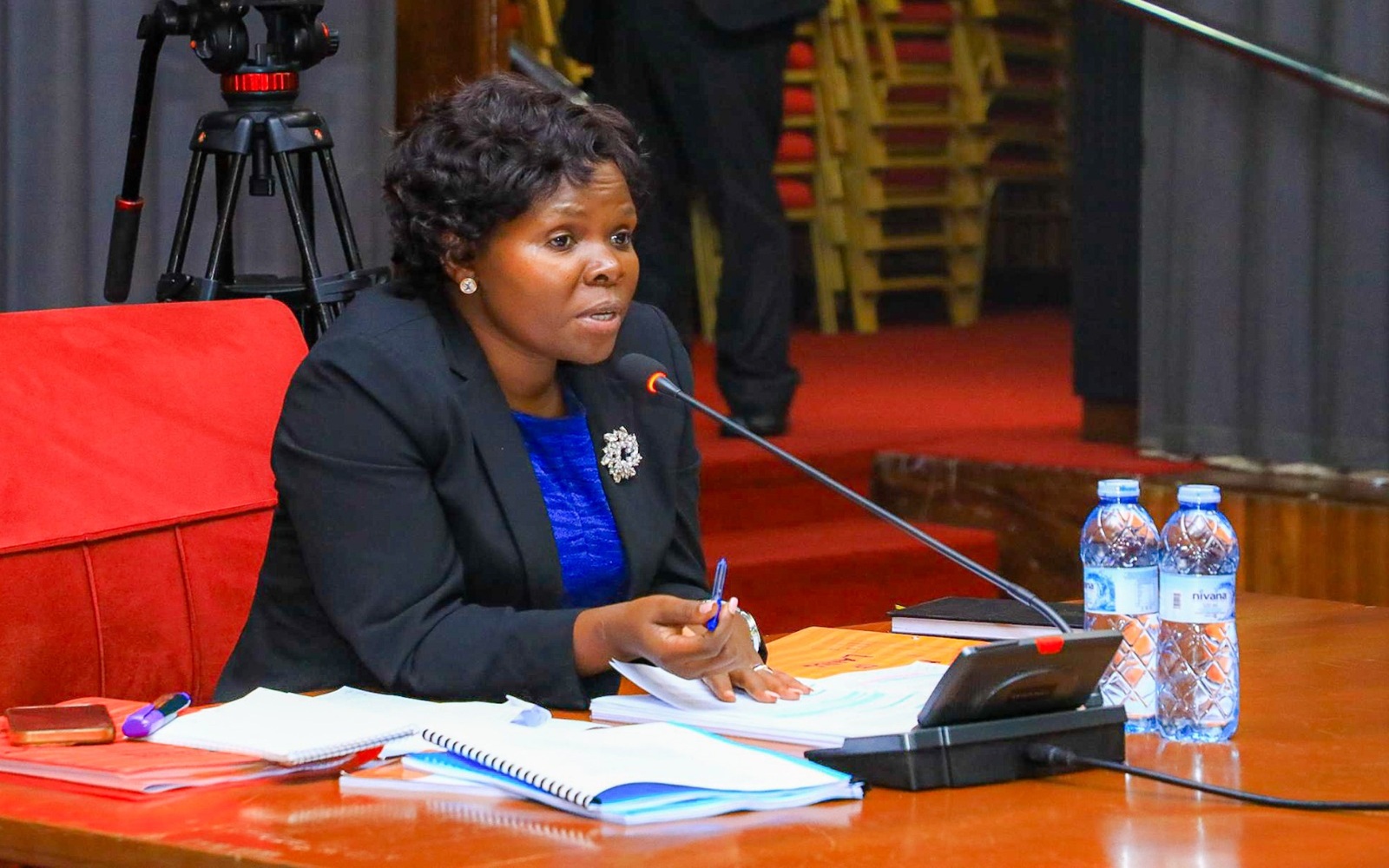
Dorcas Okalany, the Permanent Secretary of the Ministry of Lands, Housing and Urban Development, led the ministry officials during the meeting with the PAC. The committee, chaired by Hon. Gorreth Namugga, pressed for detailed documentation proving that the ministry had obtained the required authorization before committing funds to the project. Hon. Joseph Ssewungu, MP for Kalungu West, voiced concerns about a broader pattern of non-compliance with financial and procurement guidelines across various government ministries and agencies, warning that such practices could lead to significant challenges.
Domestic Arrears and Financial Implications
The issue of unauthorized expenditure is further complicated by Uganda’s existing burden of domestic arrears, which currently exceeds 401 billion Shillings. These arrears stem from delayed payments to suppliers and contractors, often resulting in costly litigation as businesses seek to recover owed funds. The Auditor General’s report highlights a direct link between irregular procurement practices and the accumulation of these arrears, creating a cycle of financial instability for the government. Hon. Namugga criticized the government’s apparent lack of commitment to clearing these outstanding debts, emphasizing the necessitate for the Ministry of Finance to allocate sufficient funds to address the issue.
Namugga proposed a measure to enhance accountability: surcharging accounting officers or individual officials whose actions lead to court-awarded penalties. This would incentivize adherence to financial regulations and discourage negligence in expenditure. The broader implications of these financial irregularities extend beyond the immediate cost of the master plan, potentially undermining investor confidence and hindering the progress of the Hoima Oil Refinery project. The refinery is expected to significantly boost Uganda’s economy and create numerous employment opportunities, making its successful and transparent development paramount.
Procurement Guidelines and Project Delays
Further scrutiny revealed additional irregularities in the ministry’s procurement processes. According to MP Ssewungu, the ministry irregularly spent 2 billion Shillings out of a total procurement budget of 14 billion Shillings, violating the Public Procurement and Disposal of Public Assets (PPDA) guidelines. These guidelines mandate that all procurements be processed through the Electronic Government Procurement (EGP) system, ensuring transparency, and competition. The deviation from established procedures raises questions about the fairness and integrity of the procurement process.
Ministry officials attempted to explain the delays and associated costs by citing challenges faced by the contractor responsible for the master plan. Emmanuel Kaganzi, the Commissioner for Physical Planning, stated that the project, initially scheduled for completion in the 2023/2024 financial year, was postponed due to the contractor’s failure to deliver on time. This delay, he argued, resulted in the expenditure being classified as a domestic arrear. However, this explanation has not fully satisfied members of the PAC, who remain concerned about the lack of proactive management and oversight.
The Hoima Oil Refinery project has faced numerous hurdles since its inception, including land acquisition challenges, environmental concerns, and financing negotiations. The current controversy surrounding the master plan expenditure adds another layer of complexity to the project’s development, potentially jeopardizing its timeline and budget. The refinery, located in Kabaale, Hoima District, is a joint venture between the Ugandan government and a consortium of international investors, and its success is crucial for Uganda’s economic future.
Key Takeaways
- Unauthorized Expenditure: The Ministry of Lands, Housing and Urban Development awarded a 950 million Shilling contract for the Hoima Oil Refinery master plan without parliamentary approval.
- Transparency Concerns: Ministry officials were unable to provide a complete accounting of the total contract value, raising questions about transparency.
- Domestic Arrears: The irregular expenditure contributes to Uganda’s growing burden of domestic arrears, exceeding 401 billion Shillings.
- Procurement Violations: The ministry was found to have violated procurement guidelines by irregularly spending 2 billion Shillings.
The Public Accounts Committee is expected to continue its investigation into the matter, demanding further documentation and explanations from the Ministry of Lands, Housing and Urban Development. The committee’s findings will be crucial in determining whether any disciplinary action will be taken against those responsible for the irregularities. The ongoing scrutiny underscores the importance of robust financial oversight and accountability in ensuring the successful implementation of Uganda’s key infrastructure projects. The next scheduled hearing of the PAC regarding this matter is tentatively set for March 18, 2026, where further details are expected to be revealed.
This situation highlights the ongoing challenges Uganda faces in balancing economic development with the need for transparent and accountable governance. The Hoima Oil Refinery represents a significant investment in the country’s future, and ensuring its success requires a commitment to upholding the highest standards of financial integrity. Readers are encouraged to share their thoughts and perspectives on this critical issue in the comments section below.