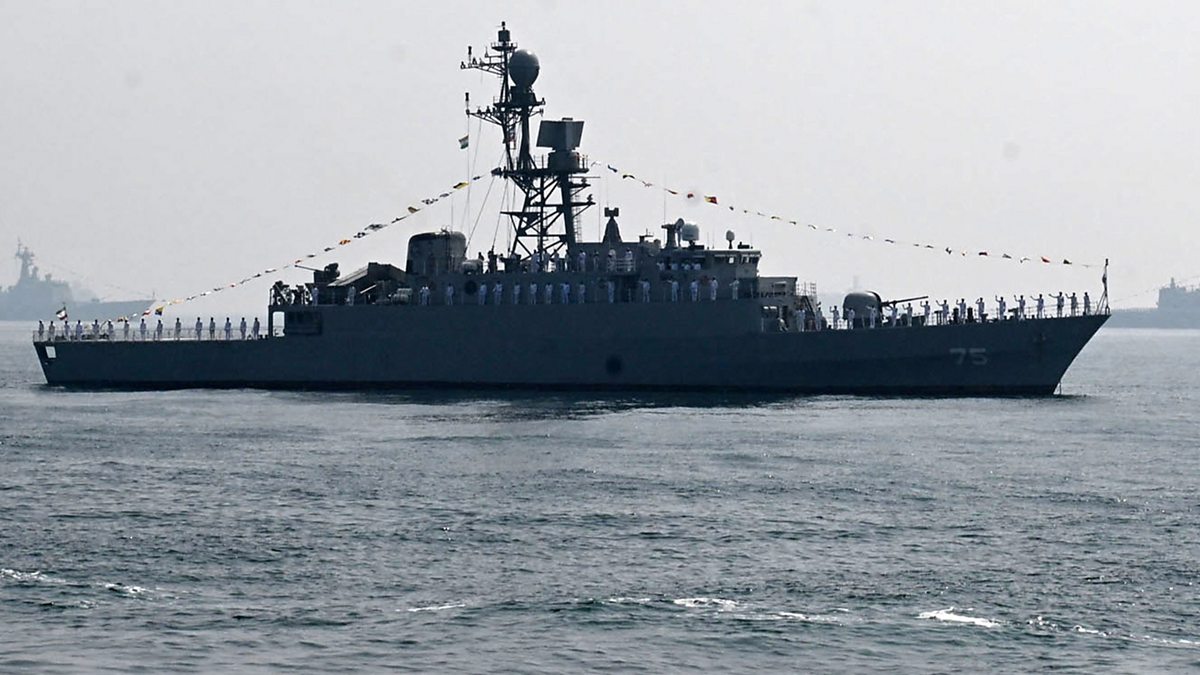
Indian Ocean – A United States submarine has sunk an Iranian warship in the Indian Ocean, escalating tensions in a region already grappling with conflict. The Pentagon released video footage of the incident on Wednesday, confirming the action as part of a broader response to recent attacks and instability. The event follows a period of heightened military activity involving Iran, Israel, and the United States, raising concerns about a potential wider conflict.
U.S. Defense Secretary Pete Hegseth stated that the sinking of the Iranian vessel was a necessary measure to ensure regional security. While details remain limited, the Pentagon has indicated that the operation, dubbed “Epic Fury,” is aimed at deterring further aggression and protecting American interests. More than 17,500 Americans have safely returned to the US from the Middle East since the operation to evacuate civilians began, according to press secretary Leavitt. The U.S. State Department is urging any American citizens still in the Middle East who wish to return home to register with the department.
Details of the Incident and the Sinking of the IRIS Dena
The Iranian warship, identified as the IRIS Dena, issued a distress call before sinking, prompting a response from the Sri Lankan Navy. Video released by the Pentagon shows a torpedo impacting the vessel. Sri Lankan police and defense officials have reported recovering 87 bodies from the wreckage, with 67 sailors still missing as of Wednesday afternoon. The IRIS Dena was carrying approximately 140 people when it went down.
The sinking occurred after the Sri Lankan Navy responded to a distress call from the IRIS Dena. The exact circumstances leading to the U.S. Submarine’s engagement remain somewhat unclear, but officials have emphasized that the action was taken in self-defense and to prevent potential threats to maritime security. The incident underscores the increasing militarization of the Indian Ocean and the complex geopolitical dynamics at play in the region.
Escalating Tensions and Regional Implications
This event is the latest in a series of escalating tensions between Iran and the United States, compounded by the ongoing conflict between Israel and Hamas. Iran has recently launched missile and drone attacks on several countries, prompting retaliatory strikes from the U.S. And Israel. The situation is further complicated by reports of Iranian citizens crossing the border into eastern Turkey, potentially seeking refuge from the escalating conflict. There is also speculation about the possibility of Kurdish forces launching an insurgency to challenge the Iranian government.
Secretary Hegseth offered few details about the scope or duration of “Operation Epic Fury,” stating, “What we have is not Iraq, this is not endless.” This statement suggests a more targeted and limited approach compared to previous U.S. Military interventions in the Middle East. However, the sinking of the Iranian warship represents a significant escalation and raises concerns about potential Iranian retaliation.
The incident also comes amidst reports of an Iranian drone crashing in Kuwait and a U.S. F-15 fighter jet being mistakenly shot down by Kuwaiti air defenses. These events highlight the heightened state of alert and the potential for miscalculation in the region. The Pentagon has described the IRIS Dena as Iran’s “prize ship,” suggesting its strategic importance to the Iranian navy.
Iran’s Response and Potential Retaliation
While the Iranian government has not yet issued a formal response to the sinking of the IRIS Dena, analysts anticipate a strong reaction. Potential responses could include further attacks on U.S. Assets in the region, increased support for proxy groups, or a more direct military confrontation. The situation remains highly volatile and unpredictable.
The targeting of the U.S. Navy base in Bahrain by Iran, as reported by the BBC, demonstrates Iran’s willingness to directly challenge U.S. Military presence in the region. This attack also highlights potential gaps in air defenses, which could be a concern for Washington and its allies. The U.S. Military is reportedly taking steps to enhance its defensive capabilities in the region, but the risk of further attacks remains high.
The Broader Context: U.S.-Iran Relations
The current crisis is rooted in a long history of strained relations between the United States and Iran. The U.S. Withdrawal from the Joint Comprehensive Plan of Action (JCPOA), commonly known as the Iran nuclear deal, in 2018, led to increased tensions and a resumption of sanctions against Iran. Iran has responded by increasing its nuclear enrichment activities and supporting proxy groups in the region.
The recent attacks and counterattacks are also linked to the ongoing conflict between Israel and Hamas. Iran is a major supporter of Hamas, and the U.S. Has pledged its unwavering support for Israel. This dynamic has created a complex and dangerous situation, with the potential for a wider regional war.
Impact on Global Shipping and Energy Markets
The escalating tensions in the Indian Ocean and the Persian Gulf are also having a significant impact on global shipping and energy markets. The Strait of Hormuz, a critical waterway for oil tankers, is located near the site of the incident. Disruptions to shipping traffic could lead to higher oil prices and economic instability. Insurance rates for ships operating in the region have already increased significantly.
The U.S. Navy has increased its presence in the region to protect shipping lanes and deter further attacks. However, the risk of incidents remains high, and the potential for escalation is a major concern for global markets.
What Happens Next?
The immediate future remains uncertain. The U.S. Is closely monitoring the situation and preparing for potential Iranian retaliation. Diplomatic efforts to de-escalate the crisis are ongoing, but prospects for a breakthrough appear limited. The next key development will likely be Iran’s official response to the sinking of the IRIS Dena.
The international community is urging restraint and calling for a peaceful resolution to the conflict. However, the deep-seated mistrust and animosity between the U.S. And Iran make a diplomatic solution challenging. The situation will require careful management and a commitment to de-escalation from all parties involved.
Key Takeaways:
- A U.S. Submarine sank an Iranian warship, the IRIS Dena, in the Indian Ocean.
- The incident occurred amidst escalating tensions between Iran, the U.S., and Israel.
- Sri Lankan authorities have recovered 87 bodies and continue to search for 67 missing sailors.
- The sinking raises concerns about potential Iranian retaliation and a wider regional conflict.
- Global shipping and energy markets are being impacted by the increased instability.
This is a developing story, and we will continue to provide updates as they turn into available. We encourage readers to share their thoughts and perspectives in the comments section below.