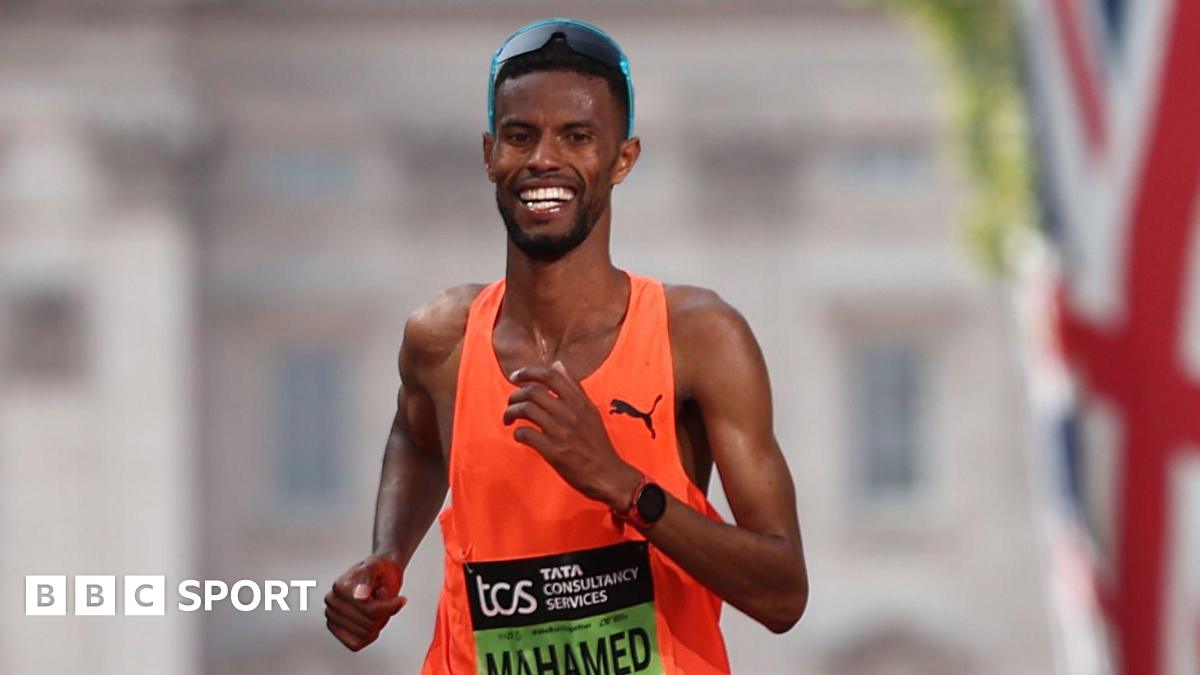
Balancing Faith and Fitness: Mahamed Mahamed’s Ramadan Training Regimen
As the London Marathon approaches on April 26th, 2026, British marathon runner Mahamed Mahamed is navigating a unique training challenge: preparing for a grueling 26.2-mile race while observing the Islamic holy month of Ramadan. The commitment to both athletic excellence and religious observance has led him to Ifrane, Morocco, a high-altitude training base in the Atlas Mountains, where he’s finding a supportive environment to maintain his rigorous schedule. Mahamed, alongside a cohort of other Muslim athletes, is adapting his training to accommodate the daily fast, demonstrating a dedication that extends beyond physical preparation. This year, Ramadan is expected to begin around March 10th, 2026, adding another layer of complexity to his already demanding training schedule.
Mahamed is part of a rising wave of British marathon talent, having finished fourth at the 2024 London Marathon. He joins fellow sub-2:08 marathoners Alex Yee, Emile Cairess, and Philip Sesemann, signaling a competitive modern era for British long-distance running. His current focus is on achieving a personal best in London, followed by a bid for a medal at the European Championships in Birmingham later in the summer. However, his immediate priority is harmonizing his training with the spiritual requirements of Ramadan, a period of fasting, prayer, and reflection for Muslims worldwide.
Training in Morocco During Ramadan
Ifrane, a town nestled in the Middle Atlas Mountains of Morocco, provides an ideal setting for Mahamed’s unique training situation. The town, known for its cooler climate and alpine-like scenery, offers a safe and supportive environment for athletes training during Ramadan. Training under the floodlights at night allows Mahamed to maximize daylight hours for rest and recovery while adhering to the fasting requirements. This approach isn’t solitary; he’s training alongside other Muslim athletes who share the same commitment to both their sport and their faith. The town of Ifrane itself has a significant Muslim population, fostering a sense of community during the holy month. BBC News reported on the challenges and dedication of athletes training during Ramadan.
A Demanding Daily Schedule
Mahamed’s daily routine during Ramadan is meticulously structured to balance training, fasting, and religious obligations. His day begins with a training session around 4:00 PM, followed by breaking the fast (iftar) and attending mosque. After refueling, he allows for a short period of sleep – typically one to two hours – before waking for another meal around 4:00 AM, and then returning to bed for further rest. This unconventional schedule, while demanding, allows him to maximize his training while fully participating in Ramadan. The necessitate for careful nutrition and hydration is paramount, particularly given the reduced window for intake during non-fasting hours.
“It’s a little bit hard,” Mahamed admitted, acknowledging the physical challenges. However, he emphasizes the importance of Ramadan, stating, “I take my job seriously, but Ramadan is the most important for me. It makes me focus as well. It makes me understand who I am and what I could do.” This sentiment highlights the profound personal significance of the month for Mahamed, framing it not as an obstacle to his training, but as a source of motivation and clarity. The discipline required for fasting, he believes, translates directly to his athletic pursuits, enhancing his focus and mental fortitude.
The Rise of British Marathon Running
Mahamed’s pursuit of a personal best in London comes at a time of significant growth in British marathon running. Alongside Alex Yee, Emile Cairess, and Philip Sesemann, he represents a new generation of athletes pushing the boundaries of British endurance performance. London Now highlighted this emerging cohort of British marathon runners, noting their collective ambition and potential for success. The competition within this group is expected to drive further improvements in performance, benefiting British athletics as a whole.
Ramadan and Athletic Performance
The impact of Ramadan on athletic performance is a subject of ongoing research. Fasting can lead to changes in energy levels, hydration status, and sleep patterns, all of which can affect training and competition. However, many athletes find that the increased focus and discipline associated with Ramadan can also be beneficial. Strategies for mitigating the potential negative effects of fasting include adjusting training schedules, optimizing nutrition during non-fasting hours, and prioritizing sleep. Individual responses to fasting vary, and athletes often need to experiment to find what works best for them.
The timing of Ramadan also plays a role. As Ramadan shifts approximately 11 days earlier each year according to the Islamic lunar calendar, the environmental conditions during the fasting period can vary significantly. Training in Morocco during Ramadan allows Mahamed to adapt to warmer temperatures and longer daylight hours, potentially preparing him for the conditions he may encounter during the London Marathon. The availability of support from fellow Muslim athletes in Ifrane further enhances his ability to navigate the challenges of training during this period.
Looking Ahead
Mahamed’s immediate goal is to perform at his best in the London Marathon on April 26th, 2026. He will then turn his attention to the European Championships in Birmingham, where he hopes to secure a medal. His ability to successfully balance the demands of elite marathon training with the spiritual observances of Ramadan will be a testament to his dedication, discipline, and unwavering commitment to both his sport and his faith. The outcome of his efforts will undoubtedly inspire other athletes seeking to reconcile their athletic pursuits with their religious beliefs.
The next key date for Mahamed will be the London Marathon itself, where his performance will be closely watched by fans and fellow athletes alike. Following the marathon, his focus will shift to preparation for the European Championships, with details regarding the event schedule and qualifying standards expected to be released in the coming months.
What are your thoughts on Mahamed Mahamed’s dedication? Share your comments below and let us know how you think he will perform in the London Marathon. Don’t forget to share this article with your friends and followers!
Related reading