Egypt Boosts Renewable Energy Capacity, Prioritizes Energy Security Amid Regional Challenges
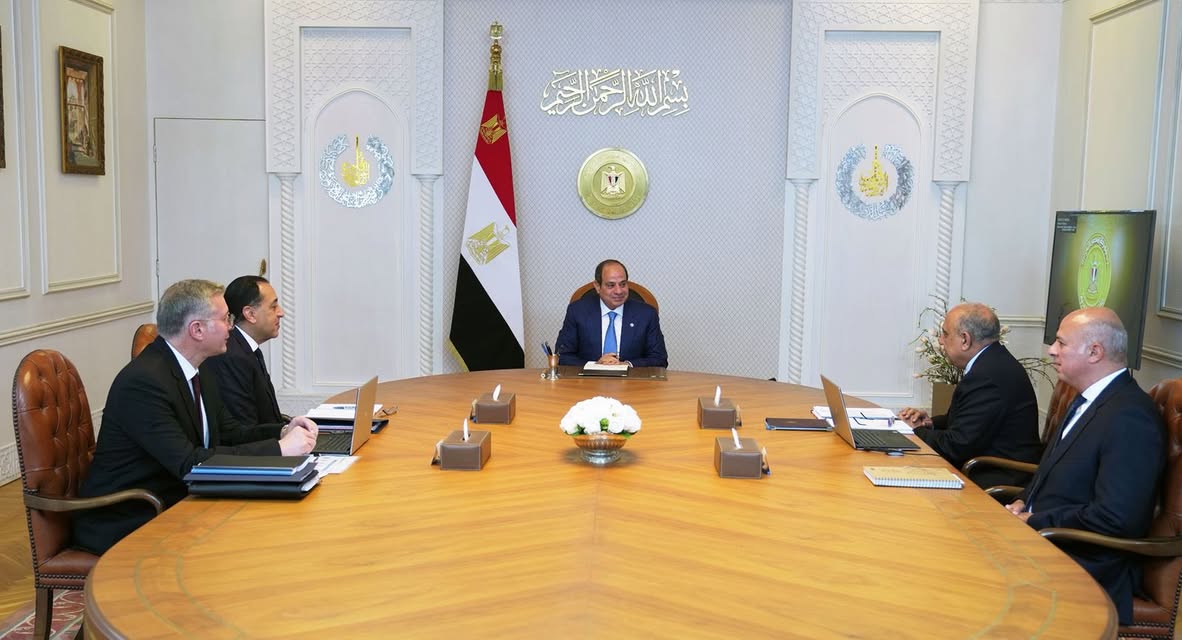
Cairo – Egypt is poised to significantly increase its renewable energy capacity, adding approximately 2,500 megawatts to the national grid before next summer. This ambitious plan, revealed following a high-level meeting chaired by President Abdel Fattah El-Sisi, underscores the nation’s commitment to diversifying its energy sources and bolstering energy security in a volatile regional landscape. The move comes as Egypt navigates complex economic challenges and seeks to capitalize on its potential as a regional energy hub.
The meeting, held on June 3rd, 2024, brought together key figures including Prime Minister Mostafa Madbouly, Minister of Electricity Mahmoud Esmat, and Minister of Petroleum and Mineral Resources Karim Badawi. Discussions centered on ensuring a stable and reliable electricity supply, securing adequate fuel resources, and attracting foreign investment into the energy sector. President El-Sisi emphasized the critical importance of maintaining strategic reserves of petroleum products to safeguard fuel supplies for both electricity generation and vital economic sectors, framing energy security as a cornerstone of national security. This commitment reflects a broader strategy to mitigate the impact of global energy price fluctuations and geopolitical instability.
Egypt’s push for renewable energy aligns with its broader national climate goals and its commitment to reducing carbon emissions. The country has set a target of generating 42% of its electricity from renewable sources by 2030, according to the Ministry of Electricity and Renewable Energy website. This ambitious target requires substantial investment in solar, wind, and hydropower projects, as well as upgrades to the national grid to accommodate the influx of renewable energy.
Securing Fuel Supplies and Addressing Economic Pressures
Beyond renewable energy expansion, the government is actively working to secure traditional fuel supplies amid ongoing regional tensions, particularly those stemming from the conflict in Gaza. The meeting participants reviewed plans to ensure uninterrupted electricity production through enhanced coordination between state entities. Egypt is also focused on settling outstanding payments owed to foreign energy companies, a move crucial for maintaining investor confidence and attracting further investment. According to reports from Reuters in February 2024, Egypt has been working to resolve billions of dollars in overdue payments to foreign oil and gas companies Reuters.
Minister of Petroleum and Mineral Resources Karim Badawi outlined plans to modernize and upgrade existing oil refineries to increase output, enhance value-added products, and reduce reliance on fuel imports. This modernization effort is expected to contribute to greater energy independence and economic stability. The government is also actively exploring opportunities to boost domestic production of natural gas, crude oil, and condensates, further strengthening its energy self-sufficiency.
Expanding Regional Cooperation and Investment
Egypt is actively seeking to strengthen regional energy cooperation, as evidenced by a recently signed memorandum of understanding (MOU) with Libya. This MOU aims to expand collaboration in oil, natural gas, and mining, encompassing exploration, refinery upgrades, energy transportation, and petrochemical development. The agreement signifies a growing effort to leverage regional resources and foster economic integration. The MOU builds on existing energy ties between the two countries, which include the export of Egyptian electricity to Libya.
President El-Sisi has directed the government to accelerate the settlement of dues to foreign partners and intensify efforts to attract investment in the energy sector. This includes continuing to develop infrastructure to receive liquefied natural gas (LNG) imports, with plans to deploy regasification vessels to increase import capacity. These measures are designed to ensure a reliable and diversified energy supply, even in the face of unforeseen disruptions.
Egypt to Host EGYPS 2026
Egypt is preparing to host the Egypt Energy Show (EGYPS 2026) in Cairo from March 30th to April 1st, 2026. This major industry event will serve as a platform to showcase Egypt’s energy potential, attract foreign investment, and foster collaboration between regional and international energy stakeholders. EGYPS is considered one of the most important oil and gas exhibitions and conferences in the Middle East and North Africa (MENA) region. The event is expected to draw significant attention to Egypt’s ongoing energy reforms and its commitment to sustainable energy development.
Prime Minister Madbouly’s Role and Ongoing Reforms
The ongoing energy initiatives are being spearheaded by Prime Minister Mostafa Madbouly, who was reappointed by President El-Sisi in June 2024 to form a new government focused on economic and security challenges Al Jazeera. Madbouly has served as Prime Minister since 2018, succeeding Sherif Ismail following the latter’s resignation after President El-Sisi’s re-election, as noted by Wikipedia Wikipedia. His continued leadership signals a commitment to maintaining momentum on key economic reforms, including those within the energy sector.
The government’s efforts to attract foreign investment are also supported by ongoing reforms to improve the business climate and streamline regulatory processes. These reforms are aimed at creating a more attractive environment for investors, encouraging greater participation in Egypt’s energy sector and contributing to long-term economic growth.
Key Takeaways
- Egypt is adding 2,500 megawatts of renewable energy capacity to its national grid before next summer.
- The government is prioritizing energy security by securing fuel supplies and settling debts to foreign energy companies.
- Regional cooperation, particularly with Libya, is being strengthened through new energy agreements.
- Egypt is actively seeking foreign investment to support its energy sector development.
Looking ahead, the successful implementation of these energy initiatives will be crucial for Egypt’s economic stability and its ability to meet the growing energy demands of its population. The next key checkpoint will be the monitoring of progress on the settlement of dues to foreign energy companies, with updates expected in the coming months. The government’s commitment to diversifying its energy sources and fostering regional cooperation positions Egypt as a key player in the evolving energy landscape of the Middle East and North Africa.
What are your thoughts on Egypt’s energy strategy? Share your comments below and join the conversation.
Worth a look
- Ancient Pompeii Public Baths: Lead, Waste, and Murky Water Before Roman Rule
- The Evolution of the Arizona Coat Since 1948
- Agrivoltaics: Combining Solar Energy and Agriculture on One Plot (archyde.com)
- Security Measures Deployed in AJK Ahead of Elections Over Allegations of Electoral Irregularities (newsdirectory3.com)