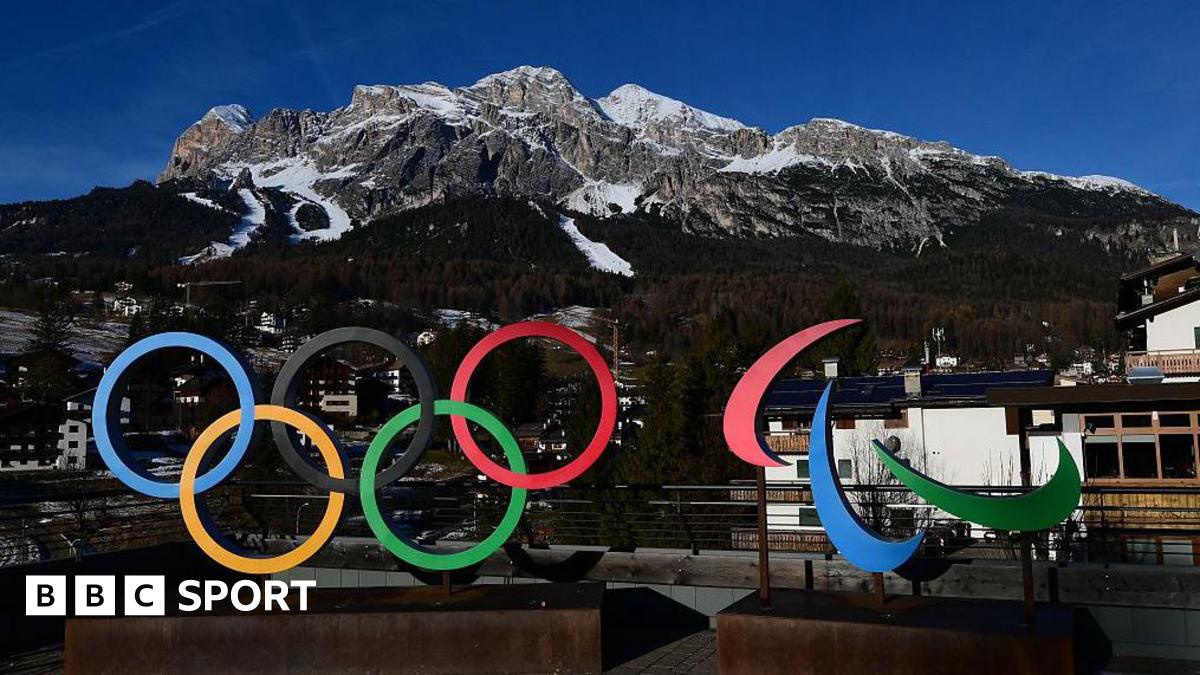
The question of Russia’s participation in international sporting events continues to be a complex and contentious issue, deeply intertwined with the ongoing geopolitical landscape. After a period of near-total exclusion following the invasion of Ukraine, a subtle shift is underway, raising the possibility – and for some, the prospect of controversy – that Russian athletes could return to competition, potentially as early as the 2028 Los Angeles Olympics. This evolving situation is prompting debate about the role of sport as a neutral ground, the balance between collective punishment and individual rights, and the enduring impact of political conflict on the athletic world.
The International Olympic Committee (IOC) appears to be signaling a willingness to reconsider its stance. While stopping short of a direct announcement, IOC President Kirsty Coventry recently emphasized the importance of maintaining sport as a space “where every athlete can compete freely, without being held back by the politics or divisions of their governments.” This statement, widely interpreted as a hint towards a potential lifting of the ban on Russia and Belarus, has been met with cautious optimism from Russian officials. Russian Sports Minister Mikhail Mishustin suggested the IOC might consider reinstatement as early as this spring, according to state news agency TASS reported in February 2024.
A Gradual Re-Engagement: From Youth Events to Potential Olympic Return
The path back to full participation won’t be immediate or unconditional. The IOC, in December 2023, advised international sports federations to allow Russian and Belarusian youth athletes to compete under their national flags at international events. As the BBC reported, this move signaled a softening of the previous hardline stance, which had largely barred athletes from both countries following the February 2022 invasion of Ukraine. However, the IOC has maintained that any participation of athletes from Russia and Belarus must be under strict conditions, including a demonstrated commitment to the principles of the Olympic Charter and a clear separation from any state involvement or endorsement.
This approach isn’t universal across all sports. World Athletics, the governing body for track and field, continues to maintain a blanket ban on Russian and Belarusian athletes. However, other organizations have begun to ease restrictions. The International Judo Federation, for example, allowed Russian athletes to compete under their national flag last year, a move that drew criticism from some quarters but demonstrated a willingness to explore alternative pathways to inclusion. The BBC detailed this decision, highlighting the complexities of balancing sporting principles with geopolitical realities.
Even in football (soccer), there are signs of potential change. FIFA President Gianni Infantino has indicated that the governing body would consider lifting its ban on Russia, stating that the sanction “has not achieved anything” and has only “created more frustration and hatred.” However, Russia remains excluded from the 2026 World Cup and will not participate in Euro 2024. The potential for Russia’s reintegration into the global football community remains a subject of ongoing debate.
The Paralympics: A Potential Testing Ground
The Paralympics may serve as a crucial testing ground for the broader return of Russian athletes to international competition. Paulo Zampolli, a figure with ties to the Trump administration, has publicly supported Russian participation in the Paralympics, reportedly stating that “sport is for all.” The New York Times reported on Zampolli’s comments, highlighting a potentially shifting perspective within some political circles regarding the role of sport and international relations.
This potential shift is particularly significant given the International Paralympic Committee’s (IPC) earlier decision to allow Russian and Belarusian athletes to compete under neutral flags at the 2024 Paris Paralympics, albeit with strict eligibility criteria. This decision, while controversial, paved the way for other sports bodies to consider similar approaches. The IPC’s rationale centered on the principle of ensuring that athletes are not punished for the actions of their governments, a principle that resonates with many within the sporting community.
Ukrainian Opposition and Ethical Concerns
However, any move to reintegrate Russia into the international sporting arena faces staunch opposition, particularly from Ukraine. Ukrainian Sports Minister Vadym Gutzeit has detailed the devastating impact of the war on Ukrainian sport, stating that Russia has killed over 650 Ukrainian athletes and coaches and damaged 814 sports facilities. This stark reality underscores the profound human cost of the conflict and fuels the argument that allowing Russia to participate in international competitions would be insensitive and disrespectful to the victims of the war.
Athlete-led organizations are also voicing their concerns. Global Athlete, an international athlete-led movement and campaign group, has called for increased sanctions on Russia, arguing that the country should only be allowed to return to competition once the war ends and Russian forces withdraw from Ukraine. They assert that now is the time for sport to demonstrate leadership, not weakness, and to stand in solidarity with Ukraine. “Russia should only be allowed back when the war ends and Russia withdraws from Ukraine. The peaceful nation of Ukraine needs support, not enablers,” the organization stated.
The Delicate Balance: Politics and Sport
The debate over Russia’s participation in international sport highlights the inherent tension between the ideals of neutrality and the realities of geopolitics. The principle of keeping sport separate from politics, long championed by the IOC, is increasingly challenged in a world where political conflicts often spill over into the athletic arena. The suspension of Russia, while intended as a form of protest against the invasion of Ukraine, has also been criticized as a form of collective punishment that unfairly penalizes individual athletes.
The IPC’s decision to allow neutral athletes to compete, while attempting to strike a balance between these competing concerns, has not been without controversy. Critics argue that allowing Russian athletes to participate, even under a neutral flag, legitimizes a regime accused of widespread human rights abuses and undermines the international effort to isolate Russia. Supporters, however, contend that denying athletes the opportunity to compete based on their nationality is a violation of their fundamental rights.
Looking Ahead: The 2028 Los Angeles Olympics and Beyond
The coming months will be crucial in determining the future of Russia’s participation in international sport. The IOC is expected to make a final decision on the matter before the 2028 Los Angeles Olympics, and the outcome will likely set a precedent for other sports organizations. The situation remains fluid and subject to change, depending on the evolving geopolitical landscape and the actions of key stakeholders.
The debate extends beyond the Olympics. FIFA’s potential reconsideration of its ban on Russia, coupled with the IOC’s evolving stance, suggests a broader trend towards a gradual re-engagement of Russia in the international sporting community. However, this process is likely to be fraught with challenges and will require careful consideration of the ethical, political, and practical implications.
The next key development to watch will be the IOC’s Executive Board meeting in July 2024, where the issue of Russian participation is expected to be discussed in detail. The outcome of this meeting will provide further clarity on the IOC’s intentions and the potential timeline for Russia’s return to the Olympic Games. The sporting world, and the international community, will be watching closely.
What are your thoughts on the potential return of Russian athletes to international competition? Share your opinions and join the discussion in the comments below.
Worth a look
- Since you didn’t provide the content of the article, I cannot create a specific title. However, if the article is a general “Latest Updates” piece, the most perfect SEO title would be: Latest News and Updates: Everything You Need to Know Today
- RCS Mediagroup Corporate Information and Advertising Contacts
- Taysom Hill Will Not Return to New Orleans Saints After Nine Seasons (archyworldys.com)