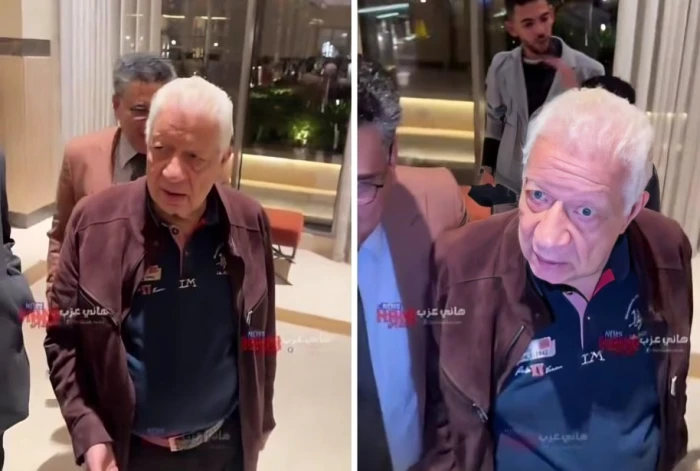
The world of Egyptian entertainment and sports collided this week as a video surfaced featuring prominent lawyer and Zamalek SC chairman, Mortada Mansour, responding with considerable ire to a question about potentially appearing on a prank show hosted by comedian Ramz Galal. The exchange, captured by an Egyptian journalist, has quickly gained traction online, sparking debate about celebrity appearances on such programs and the value placed on public figures’ time and reputation.
The incident unfolded when a reporter approached Mansour, asking if he would consider participating in a Ramz Galal program for a fee of one million US dollars. Mansour’s response was immediate and forceful, as reported by Al-Marsd, a Saudi Arabian news outlet. He reportedly stated, “Are you joking? I will suspend you, Ramz, and Yasir, Ramz’s brother, and the one who produces Ramz!” He further questioned the notion of “dignity” being associated with such an offer, concluding with a dismissive “May God help you.”
Ramz Galal’s Prank Shows: A Cultural Phenomenon
Ramz Galal is a highly popular figure in the Arab world, known for his elaborate and often shocking prank shows. These programs, typically aired during the holy month of Ramadan, have become a staple of television entertainment for millions. Galal’s shows often involve unsuspecting celebrities being subjected to frightening or embarrassing situations, all captured on hidden camera. The format has proven incredibly successful, consistently drawing large viewership numbers and generating significant social media buzz. However, the shows have also faced criticism for their potentially harmful psychological effects on participants and concerns about informed consent.
The popularity of these shows stems from a cultural fascination with celebrity vulnerability and the comedic value derived from witnessing reactions to unexpected events. Ramz Galal’s shows capitalize on this dynamic, creating a spectacle that blends humor, suspense, and the allure of seeing public figures outside their carefully constructed personas. The financial incentives offered to celebrities to participate are often substantial, reflecting the high demand for viewership and the perceived value of securing well-known personalities.
Mortada Mansour: A Controversial Figure in Egyptian Football
Mortada Mansour is a well-known, and often controversial, figure in Egyptian football. He has served multiple terms as the chairman of Zamalek SC, one of Egypt’s most prominent and historically successful football clubs. Mansour is a lawyer by profession and is known for his outspoken personality and often confrontational approach to dealing with rivals and critics. His tenure at Zamalek has been marked by both successes on the pitch and frequent disputes off it, including legal battles and public disagreements with other club officials and media personalities.
Mansour’s legal background often informs his approach to football administration, and he has been involved in numerous high-profile cases related to the sport. He is known for his strong defense of Zamalek’s interests and his willingness to take legal action against perceived injustices. His outspoken nature and willingness to engage in public disputes have made him a polarizing figure, attracting both fervent supporters and staunch detractors.
The Question of Dignity and Financial Incentives
Mansour’s emphatic rejection of the million-dollar offer raises questions about the perceived value of “dignity” versus financial gain for public figures. While the sum of money is substantial, Mansour’s response suggests that he places a higher premium on maintaining his reputation and avoiding participation in a program he views as undignified. This sentiment reflects a broader debate about the ethical considerations surrounding celebrity endorsements and appearances, particularly in contexts that may involve deception or potential embarrassment.
The incident also highlights the power dynamics at play in the entertainment industry. Ramz Galal’s shows rely on attracting high-profile guests to generate viewership, and the financial incentives offered are often significant. However, the willingness of celebrities to participate is not solely determined by monetary considerations. Factors such as personal values, public image, and potential reputational risks also play a crucial role in their decision-making process. Mansour’s response suggests that he is unwilling to compromise his principles, even for a substantial financial reward.
Recent Developments in Egyptian Entertainment
The Egyptian entertainment industry has seen a surge in popularity in recent years, with increased investment in film and television production. This growth has been fueled by a growing domestic audience and increasing international interest in Arabic-language content. Streaming platforms like Netflix and Shahid VIP have also played a significant role in expanding the reach of Egyptian entertainment to a global audience. Gulf Channels reported on the incident on March 5, 2026, alongside other news from the region.
However, the industry also faces challenges, including censorship concerns and debates about artistic freedom. The Egyptian government maintains strict regulations on content deemed to be offensive or harmful to public morals, and filmmakers and television producers often navigate a complex regulatory landscape. Despite these challenges, the Egyptian entertainment industry remains a vibrant and influential force in the Arab world, and its continued growth is expected to drive further economic and cultural development.
Key Takeaways
- Mortada Mansour, chairman of Zamalek SC, vehemently rejected an offer to appear on a Ramz Galal prank show for one million US dollars.
- The incident highlights the debate surrounding celebrity appearances on prank shows and the value placed on public figures’ dignity.
- Ramz Galal’s prank shows are a popular form of entertainment in the Arab world, but have also faced criticism for their potential psychological effects.
- The Egyptian entertainment industry is experiencing a period of growth, but also faces challenges related to censorship and artistic freedom.
As of today, March 5, 2026, there has been no further comment from either Ramz Galal or representatives for Mansour regarding the incident. The video continues to circulate widely on social media, fueling ongoing discussion about the ethics of prank shows and the choices made by public figures in the entertainment industry. Readers interested in following further developments are encouraged to monitor Egyptian news outlets and social media channels for updates.
Related reading