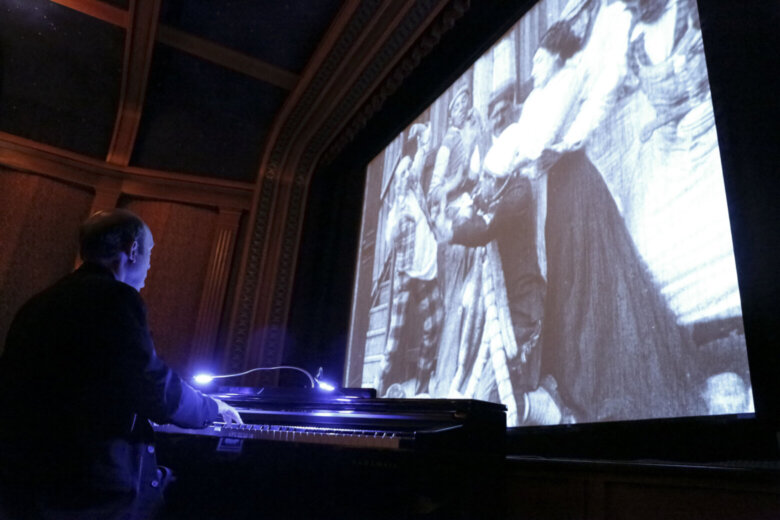
Culpeper, Virginia, is home to a truly unique cinematic experience. Nestled within the Library of Congress’ National Audio-Visual Conservation Center, the Packard Campus Theater isn’t just showing films – it’s preserving film history by screening movies in the formats they were originally intended to be seen, a capability shared by fewer than 50 theaters worldwide. This dedication to authentic presentation offers movie lovers a rare opportunity to step back in time and experience classic cinema as it was meant to be.
The Packard Campus Theater, open to the public, stands as a testament to the enduring power of film and the importance of its preservation. The Library of Congress typically screens films three days a week throughout most of the year, often showcasing original prints sourced directly from the vast collection housed on the Center’s 45-acre campus. This commitment to original materials distinguishes the Packard Campus from most modern cinemas, which rely on digital copies. The theater’s existence is a direct response to the challenges of preserving fragile film elements, ensuring that these cultural artifacts remain accessible for generations to reach.
A Theater Designed for the Golden Age of Cinema
Beyond its technical capabilities, the Packard Campus Theater boasts an atmosphere that evokes the elegance of classic movie palaces. The auditorium itself is a striking space, featuring plush red velvet cushions, rich wood paneling, and a distinctive pit area designed to accommodate an organ player. This detail is particularly significant, as many silent films were originally accompanied by live organ music, enhancing the emotional impact of the visuals. The theater’s design isn’t merely aesthetic; it’s a deliberate attempt to recreate the immersive experience of attending a film screening during cinema’s early years.
The central mission of the Packard Campus Theater is to preserve the traditional filmgoing experience, a goal that extends beyond simply showing old movies. It’s about recreating the entire atmosphere – the grandeur of the space, the quality of the projection, and the accompanying music – to transport audiences back to a different era. This dedication to authenticity sets it apart as a cultural institution dedicated to the art of cinema.
The Library of Congress and Film Preservation
The National Audio-Visual Conservation Center, where the Packard Campus Theater is located, plays a crucial role in safeguarding America’s audiovisual heritage. Established by Congress in 1997, the Center is responsible for preserving the Library of Congress’s vast collections of motion pictures, sound recordings, and television broadcasts. The Library of Congress’s preservation efforts are extensive, encompassing everything from restoring damaged film to digitizing analog recordings. The Packard Campus Theater serves as a public showcase for these preservation efforts, allowing audiences to experience the results firsthand.
The sheer scale of the Library of Congress’s collection is remarkable. It includes over 1.4 million films, 3.7 million sound recordings, and hundreds of thousands of television broadcasts. Exploring the Library’s online collections reveals the breadth and depth of its holdings, encompassing everything from early silent films to contemporary documentaries. The Packard Campus Theater provides a unique opportunity to see some of these rarely-seen treasures on the considerable screen.
Technical Prowess: Screening Films in Any Format
What truly distinguishes the Packard Campus Theater is its ability to screen films in virtually any format. This capability is due to its state-of-the-art projection equipment, which can handle a wide range of film gauges and sound formats. According to reports, the theater can project 35mm, 70mm, 16mm, and even early cinematic formats like 9.5mm film. This versatility allows the theater to showcase films in their original formats, ensuring that audiences experience them as they were intended. The theater’s projection booth is a marvel of engineering, equipped with multiple projectors and sound systems to accommodate different film formats.
This technical expertise is crucial for preserving film history. Many older films were shot on formats that are no longer widely used, and the Packard Campus Theater is one of the few places where these films can still be screened properly. The theater’s staff includes skilled projectionists who are experts in handling and projecting these delicate materials. David March, the head projectionist, recently gave WTOP a behind-the-scenes look at the theater’s operations, highlighting the challenges and rewards of preserving film history.
Visiting the Packard Campus Theater
The Packard Campus Theater is located at 19053 Mount Pony Road, Culpeper, VA 22701. Information about showtimes and upcoming events can be found on the Library of Congress website. Admission to screenings is free, but tickets are required and often distributed on a first-come, first-served basis. Due to the theater’s popularity, it’s advisable to arrive early to secure a seat.
The theater is easily accessible by car, with ample parking available on-site. Visitors to the Packard Campus Theater can also explore the National Audio-Visual Conservation Center, which offers tours and exhibits showcasing the Library of Congress’s preservation efforts. The Center is a fascinating destination for anyone interested in film, sound recording, or television history.
What to Expect During a Screening
Attending a screening at the Packard Campus Theater is a unique experience. The theater’s intimate setting and elegant décor create a sense of occasion. The quality of the projection and sound is exceptional, and the opportunity to see classic films on the big screen is a treat for any movie lover. Many screenings are accompanied by introductory remarks from film historians or curators, providing valuable context and insights into the films being shown.
The Packard Campus Theater often features silent films accompanied by live organ music, adding another layer of authenticity to the experience. The theater’s organist is a skilled musician who can create a captivating atmosphere that enhances the emotional impact of the films. The combination of stunning visuals, immersive sound, and live music makes for an unforgettable cinematic experience.
The Future of Film Preservation
The Packard Campus Theater represents a vital effort to preserve film history for future generations. As film continues to evolve, it’s more important than ever to safeguard the legacy of classic cinema. The Library of Congress’s commitment to preservation ensures that these cultural treasures will remain accessible for years to come. The theater’s unique capabilities and dedication to authenticity make it a truly special place for movie lovers and film historians alike.
The ongoing work at the Packard Campus Theater and the National Audio-Visual Conservation Center highlights the importance of investing in cultural preservation. By supporting these institutions, we can ensure that the stories and images of the past continue to inspire and inform future generations. The Packard Campus Theater isn’t just a movie theater; it’s a living museum dedicated to the art of cinema.
The Packard Campus Theater will continue its regular screenings throughout 2026. For the most up-to-date schedule and information on upcoming events, please visit the Library of Congress website. We encourage readers to share their experiences at the Packard Campus Theater in the comments below and to spread the word about this remarkable cinematic gem.
- Audi Q9 Revealed: Everything About the Brand’s Largest and Most Luxurious SUV
- Insurance Business Administrator Jobs in Leipzig | Federal Employment Agency
- Chicago Fire Original Cast Member Joe Miñoso to Exit in Season 15 (time.news)
- Why Movie Credits Grew From a Single Card to a 10-Minute Scroll (daybreakwire.com)